What Should You Expect During Your First Massage Visit?
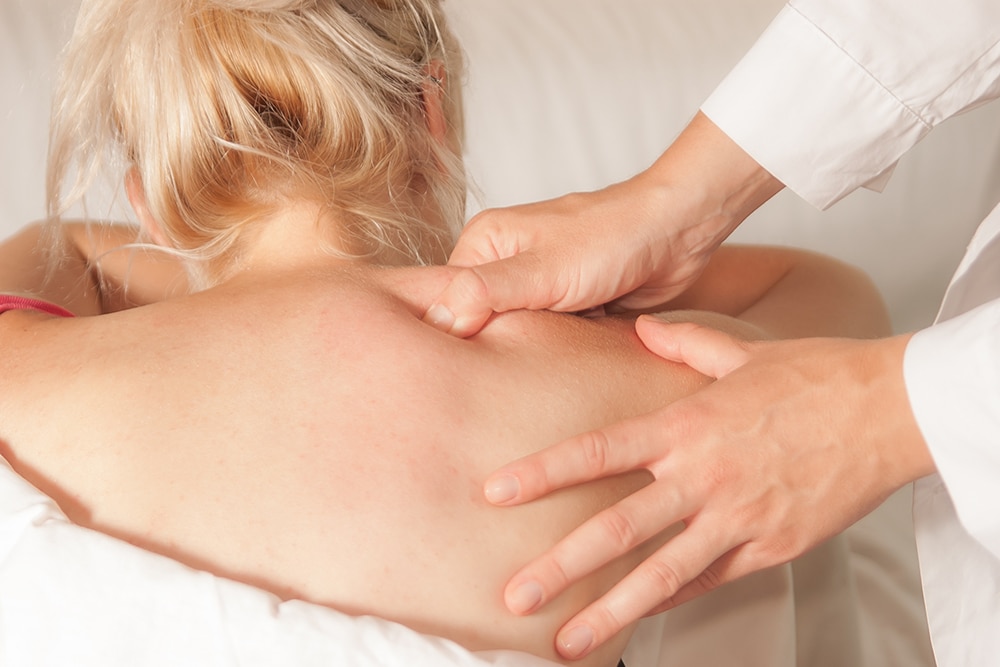
Booking a first massage often brings both excitement and uncertainty. Many people wonder how to prepare, what the session will involve, and which techniques may be used. Techniques like Trigger Point Massage target specific muscle knots to release tension and improve mobility. Understanding the process, from consultation to aftercare, helps first-time clients feel more comfortable. Knowing what to expect allows you to enjoy your session fully, ensures better results, and reduces any apprehension about the experience.
Preparing for Your Appointment
Preparation ensures your massage session is smooth and effective. Completing an intake form helps the therapist understand your medical history, muscle concerns, and personal preferences. Arriving 10–15 minutes early provides time to check in and relax. Comfortable clothing is recommended, especially if you plan to resume daily activities afterward. Staying hydrated supports muscle responsiveness, while a light snack can prevent discomfort during the session. Think about your goals and areas of tension to communicate clearly with your therapist for a personalized experience.
What Happens When You Arrive
Upon arrival, you will likely notice a calm environment designed to promote relaxation. Soft lighting, gentle music, and a welcoming setting help set a positive tone. Your therapist will review your intake form and discuss your expectations, pressure preferences, and problem areas. They may explain techniques that will be used and how these target specific concerns. After the consultation, you are guided to a private room, shown how to position yourself on the massage table, and left alone briefly to prepare for the session.
The Massage Process
The massage begins once you are comfortably positioned and properly draped with a sheet or towel. Only the area being worked on is exposed to maintain privacy. Gentle strokes typically warm up muscles before deeper techniques are applied. Pressure can be adjusted to your comfort and goals. Open communication is essential; letting the therapist know if the pressure is too intense or too light ensures effectiveness. Breathing naturally and relaxing your mind and body enhances the session. Clients often experience light sleep or deep relaxation during treatment.
Key Elements of Your First Session
- Personalized consultation to assess needs
- Clear communication about pressure and comfort
- Professional draping to maintain privacy
- Use of oils or lotions to reduce friction
- Focus on specific areas of tension
- Calm and quiet environment
- Guidance on breathing and relaxation
- Opportunity to provide feedback
These key elements guarantee a safe and beneficial experience. They create an environment that supports both relaxation and effective muscle treatment, making the session productive and enjoyable.
Types of Sensations You May Feel
During your first massage, sensations can range from soothing to slightly intense. Gentle strokes provide relaxation, while deeper techniques create a “good pain” that releases tension. Sensitive areas may feel warm or tender as circulation increases and tight muscles loosen. Mild soreness similar to post-workout stiffness is common after deeper work. Most clients report a sense of relief and flexibility once the session is complete. Understanding these sensations helps you manage expectations and reinforces the benefits of massage therapy.
After the Massage: What to Expect
After the session, rise slowly from the table to prevent dizziness. Drinking water aids in flushing out toxins released during massage and supports recovery. Immediate benefits often include reduced muscle tension, relaxation, and improved mobility. Emotional release is also normal for some clients. Therapists may provide guidance on stretches, exercises, or recommended frequency for future sessions. Observing how your body responds after the massage helps you plan follow-up treatments and ensures long-term wellness benefits.
Common Questions First-Time Clients Have
Many first-time clients share similar questions. Clothing removal is often a concern; undress to your comfort level while therapists ensure privacy. Talking during the session is optional; you may remain silent or converse based on preference. Frequency of massage depends on personal goals. Some clients benefit from weekly sessions, while others schedule sessions as needed. Pressure preferences, sensitive areas, and specific goals should always be communicated. Addressing these questions beforehand helps first-time clients feel confident and reduces anxiety during their session.
Tips for a Better First Experience
Clear communication is essential for an effective session. Sharing discomfort areas, pressure preferences, and goals helps the therapist adjust techniques appropriately. Mental relaxation supports physical benefits—focusing on the present moment and deep breathing enhances results. Avoid scheduling appointments back-to-back, allowing time before and after the session for a complete experience. Comfortable attire and hydration contribute to comfort. Approaching the massage with openness and patience allows your body to respond to techniques fully, ensuring a positive first impression of massage therapy.
Conclusion:
Your first massage visit lays the foundation for future sessions. Understanding what happens before, during, and after the session builds confidence and comfort. Each visit helps you learn about your preferences and how your body responds. Familiarity with the process allows for more productive and enjoyable experiences over time. Massage therapy offers more than relaxation. It supports muscle recovery, reduces tension, improves flexibility, and promotes overall wellness. Knowing what to expect allows first-time clients to approach sessions confidently. With regular visits, massage becomes a valuable tool for both physical and mental health.