Top Benefits of Using an Inline Fan for Better Airflow
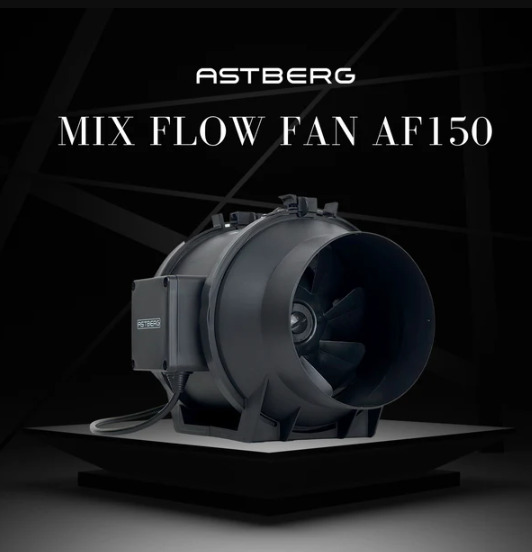
An inline fan is an essential component for maintaining proper ventilation in both residential and commercial spaces. Designed to be installed within duct systems, it helps move air efficiently, ensuring a consistent and controlled airflow. Whether you’re improving indoor air quality or managing temperature, an inline fan offers a practical and reliable solution.
Improved Air Circulation
One of the biggest advantages of using an inline fan is its ability to enhance air circulation. Unlike traditional fans, it works within ducting systems to push or pull air across longer distances. This makes it ideal for areas with limited natural airflow, such as basements, bathrooms, kitchens, and grow rooms. Better circulation leads to a fresher and more comfortable indoor environment.
Enhanced Indoor Air Quality
Poor ventilation can lead to the buildup of moisture, odors, and pollutants. An inline fan helps remove stale air and replace it with fresh air, reducing humidity and preventing mold growth. This is especially important in spaces prone to dampness. By continuously exchanging air, it supports a healthier living and working environment.
Energy Efficiency
Modern inline fan systems are designed to be energy-efficient while delivering powerful performance. They consume less power compared to multiple standalone fans, making them a cost-effective choice in the long run. By optimizing airflow, they also reduce the workload on heating and cooling systems, contributing to overall energy savings.
Quiet Operation
Noise can be a concern when it comes to ventilation systems. Inline fans are typically installed within ducts, which helps minimize sound levels. This makes them a great option for homes, offices, and commercial spaces where maintaining a quiet atmosphere is important. You get efficient airflow without the distraction of loud fan noise.
Versatile Applications
An inline fan can be used in a wide range of applications. From residential ventilation to industrial air management, its flexibility makes it a popular choice. It is commonly used in HVAC systems, hydroponic setups, workshops, and even server rooms. Its adaptability ensures it meets the needs of different environments effectively.
Easy Installation and Maintenance
Another benefit of an inline fan is its relatively simple installation process. It can be integrated into existing duct systems without major modifications. Maintenance is also straightforward, requiring only periodic cleaning and inspection to ensure optimal performance. This convenience adds to its overall value.
Better Temperature Control
Maintaining consistent temperatures can be challenging, especially in larger or enclosed spaces. An inline fan helps distribute air evenly, preventing hot or cold spots. This results in a more balanced indoor climate, improving comfort and efficiency in heating and cooling systems.
Conclusion
Investing in an inline fan is a smart choice for anyone looking to improve airflow, air quality, and energy efficiency. Its quiet operation, versatility, and reliable performance make it a valuable addition to any ventilation system. Whether for residential or commercial use, an inline fan ensures a healthier, more comfortable indoor environment while supporting long-term cost savings.