Can Microcement Flooring Services Cover Old Tiles?
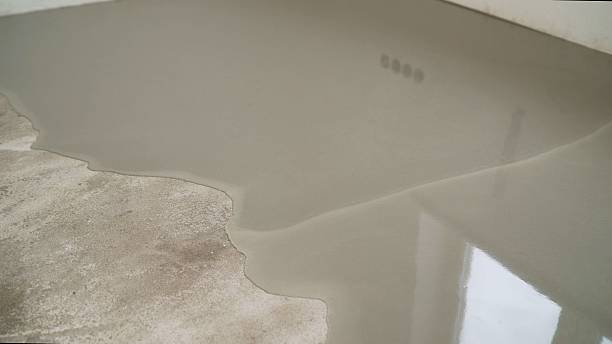
Old tile can make a room feel dated. Also, grout lines can trap dirt and look dark fast. So it makes sense to ask if you can cover the tile instead of tearing it out. In many cases, yes, you can. Still, it depends on the tile, the floor base, and how stable everything is. That is why planning matters before any work starts. Before you book microcement flooring services in Fort Lauderdale FL, understand which tile floors work well and which ones can fail. This guide explains the real steps, the limits, and what you can do to help the finish last. You will also learn what to watch for in wet areas, how long it often takes, and what upkeep looks like.
Microcement Flooring Services In Fort Lauderdale FL: Can They Go Over Old Tile
Yes, microcement can often go over existing tile. However, it does not “float” above problems. It follows what is below. So, if tiles are loose or the floor moves, the new surface can crack. Also, deep grout lines may show through if the prep is rushed.
“Microcement can look seamless, but only if the base stays solid and flat.”
Before covering tile, installers usually check three things:
- Tile bond: Are any tiles hollow, loose, or lifting?
- Flatness: Are there high edges, dips, or lippage?
- Moisture: Is there damp coming from below or from leaks?
If the tile is stable, the surface can be prepared and coated. Yet if the tile fails the checks, removing sections may be safer. In short, covering tile can save mess and time, but only when the base earns it.
What Makes Old Tile A Good Base And What Makes It Risky
A “good” tile base stays stuck, dry, and still. Also, it should not flex when you walk. If the floor feels solid, that is a strong sign. On the other hand, some tile floors hide trouble.
Here are common risk signs:
- Cracked tiles that keep spreading
- Soft spots that dip under weight
- Wide movement gaps at edges that were never filled
- Tile set over weak plywood that bends
Also, tile on stairs or uneven floors can be harder. That is because edges take more impact. Meanwhile, radiant heat floors can work, but they need stable temps and careful steps. Before you choose microcement flooring services in Fort Lauderdale FL, tap tiles with a coin as a quick check. A hollow sound can point to a weak bond. Still, a pro should confirm. When the base is right, the new finish can stay smooth and strong.
Prep Steps That Matter Most Before Coating Tile
Prep is the make-or-break stage. First, teams clean the tile deeply. Grease, soap film, and wax can block bonding. Next, they rough up the surface so the coating can grip.
Most jobs include steps like these:
- Deep clean and degrease
- Light grinding or sanding for texture
- Filling broken grout lines and chips
- Leveling high edges and low spots
- Priming for proper adhesion
- Adding a mesh layer where needed
Also, expansion joints matter. You cannot “erase” a working joint without a plan. If the slab moves there, the surface can crack. So, crews may honor joints or place a control detail. Because microcement is thin, it shows flaws. So, the flatter the base, the better the look. If you are scheduling Fort Lauderdale microcement flooring work, expect prep to take longer than the coating itself.
Wet Areas, Showers, Kitchens, And Laundry Rooms
Microcement can work in wet areas, but waterproofing is not optional. Water finds weak spots fast. So, bathrooms and kitchens need careful sealing and detail work.
Here are key points that help protect wet spaces:
- Fix leaks first, even small ones
- Treat corners and drains with proper waterproof layers
- Keep the slope in showers so water drains well
- Seal the finish fully and maintain the seal
“Waterproofing is a system, not a single coat.”
Also, humidity and salty air can affect curing in coastal areas, so timing and ventilation matter. Before you hire a team for microcement flooring services in Fort Lauderdale FL for a shower wall or floor, ask how the waterproof layer connects to drains and corners. That detail often decides whether the surface stays tight or starts to peel.
Timeline Dust And Daily Life During The Work
Many people want to avoid demolition dust. Covering tile can reduce that. Still, there will be prep dust from sanding and grinding. So, masking and airflow control help a lot.
A common timeline looks like this:
- Prep, leveling, and priming
- Base coats and finish coats
- Drying stages and sealing
- Cure time before heavy use
Dry times can change with humidity. Also, foot traffic rules matter. If you walk on it too soon, you can mark the surface. If you place heavy items early, you can dent them. Searching microcement flooring services near Fort Lauderdale usually brings up three must-ask questions: how they protect nearby rooms, how they handle ventilation, and when furniture can go back. Clear steps reduce stress.
How Long Can A Microcement Finish Last Over Tile
With a stable base and correct sealing, microcement can last for years. Yet it is not indestructible. Like wood floors, it can scratch if grit stays on it. Also, sharp impacts can chip edges.
The biggest drivers of life span are base stability, seal quality, cleaning habits, and the type of daily use. For example, pets, rolling chairs, and heavy traffic can increase wear. Still, good care can slow that down. This is also why Fort Lauderdale microcement flooring plans often include guidance on seal upkeep.
Here is a quick guide:
| Factor | Helps The Finish | Can Shorten Life |
|---|---|---|
| Base Condition | Solid, flat, dry | Loose tile, flexing floor |
| Cleaning | Soft mop, mild cleaner | Abrasive pads, harsh acids |
| Entry Control | Door mats, less grit | Sand tracked inside daily |
| Protection | Felt pads, careful moving | Dragging furniture |
If the floor stays stable, the surface often stays stable too. That is why base checks come first.
Care Tips, Repair Options, And Smart Questions To Ask
Microcement care is simple, but it must be steady. First, remove grit often. Also, wipe spills sooner rather than later. Avoid strong acids and bleach. They can dull or weaken sealers.
Helpful daily habits:
- Sweep or vacuum with a soft head
- Use a pH-neutral cleaner
- Rinse well and dry in wet zones
- Use pads under chair legs
Minor scratches can sometimes be polished or touched up, depending on the sealer and system used. Deeper chips may need spot repair and re-sealing.
Before you start, ask these questions:
- What tests confirm tile bond and moisture?
- How will grout lines be leveled and bridged?
- What sealer system will be used, and how often is re-sealing advised?
- How will joints and transitions be handled?
When you understand the plan, you reduce surprises. That is the real benefit.
A Smart Next Step Can Save Your Floor Later
Covering old tile can be a clean way to refresh a space. Yet success depends on the hidden base, not just the top look. If the tile is stable, dry, and flat, microcement can create a smooth surface with fewer tear-outs. Also, the right prep and sealing can reduce grout-line issues and make cleaning easier. If you want to explore your options, Pro Concrete can walk you through base checks, prep steps, and care needs so you know what to expect before work begins.