
Why Remote Monitoring Isn’t Just for Businesses: Home Users Benefit Too
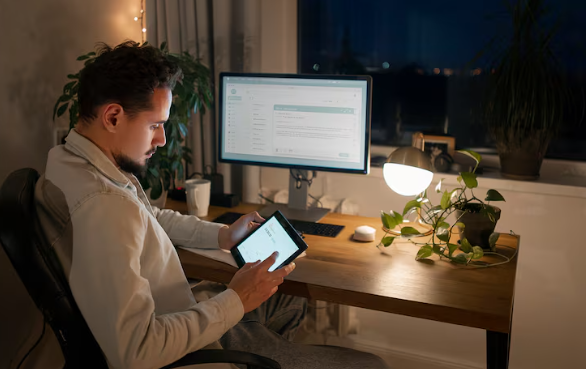
Remote monitoring has long been associated with businesses that need to manage networks, servers, and large IT systems. Companies use monitoring tools to track performance, detect security threats, and prevent system failures. However, remote monitoring is no longer limited to corporate environments. Modern homeowners are also beginning to benefit from these technologies.
As homes become smarter and more connected, the number of devices linked to home networks continues to grow. Security cameras, smart thermostats, door sensors, and connected appliances all rely on internet connectivity to function properly. Without monitoring, homeowners may not notice when devices malfunction, become vulnerable to cyber threats, or fail to perform as expected.
Remote monitoring provides visibility and control over home devices even when homeowners are away. It helps detect problems early, improves security, and ensures that connected systems operate efficiently. Understanding how remote monitoring works and why it matters can help homeowners make better decisions about protecting their devices and their homes.
Understanding Remote Monitoring
Remote monitoring refers to the ability to observe, manage, and analyze devices or systems from a different location through the internet. Monitoring platforms collect information from devices and send alerts when unusual activity or performance issues occur.
In business environments, remote monitoring often tracks servers, network traffic, and cybersecurity threats. In homes, the concept works in a similar way but focuses on personal devices and smart home technology.
Devices That Can Be Monitored at Home
Many household technologies now support remote monitoring capabilities.
• smart security cameras
• home alarm systems
• smart thermostats
• door and window sensors
• connected appliances
• home WiFi networks
These devices communicate with mobile apps or monitoring systems, allowing homeowners to receive updates and alerts wherever they are.
Why Remote Monitoring Is Becoming Popular in Homes
The growth of smart home technology has increased the need for better visibility and control. Many homeowners now manage multiple connected devices, and monitoring helps ensure everything works properly.
Remote monitoring also provides peace of mind, especially for homeowners who travel frequently or spend long hours away from home.
Key Reasons Homeowners Use Monitoring Tools
Several factors contribute to the rising popularity of remote monitoring in residential environments.
• increased use of smart home devices
• growing concerns about home security
• need for real-time alerts and notifications
• ability to control devices remotely
• improved internet connectivity in homes
These factors make monitoring an attractive solution for modern households.
Improved Home Security
One of the biggest advantages of remote monitoring is improved home security. Monitoring systems allow homeowners to track activity around their property and receive alerts if unusual behavior occurs.
Security cameras, motion detectors, and door sensors can send notifications instantly when movement or entry is detected.
How Monitoring Enhances Security
Remote monitoring systems strengthen home security in several ways.
• real-time alerts for suspicious activity
• live video access from security cameras
• remote control of alarms and locks
• activity logs showing when doors or windows open
These features help homeowners respond quickly to potential threats.
Early Detection of Device Problems
Home devices can malfunction without warning. A security camera may stop recording, a thermostat might stop regulating temperature, or a network device may lose connectivity.
Remote monitoring tools can detect these problems early and notify homeowners before they become serious issues.
Benefits of Early Problem Detection
Monitoring systems help maintain device performance by identifying issues quickly.
• alerts when devices disconnect from the network
• warnings about unusual activity or performance
• notifications when batteries run low
• system health reports for connected devices
Early detection reduces the risk of device failures and improves reliability.
Remote Access and Control
Another major benefit of remote monitoring is the ability to control devices from anywhere. Homeowners can manage their systems through smartphone apps or online dashboards.
This level of control provides convenience and flexibility for modern lifestyles.
Examples of Remote Device Control
Remote monitoring systems often allow homeowners to perform several actions.
• view live security camera footage
• adjust thermostat settings
• lock or unlock smart doors
• turn lights on or off remotely
These features make it easier to manage home systems even when traveling.
Energy Efficiency and Cost Savings
Monitoring systems can also help homeowners reduce energy consumption. Smart thermostats and energy monitoring tools track how electricity and heating systems are used.
With better insight into energy usage, homeowners can make adjustments that reduce waste and lower utility bills.
Ways Monitoring Improves Energy Efficiency
Monitoring platforms provide valuable insights about household energy use.
• tracking heating and cooling patterns
• identifying devices that consume excessive energy
• adjusting settings based on daily schedules
• receiving alerts when energy usage spikes
These insights help homeowners make smarter decisions about energy management.
Protecting Home Networks From Cyber Threats
As more devices connect to home networks, cybersecurity becomes an important concern. Smart home devices can sometimes be vulnerable to hacking attempts or malware.
Remote monitoring tools can track network activity and identify suspicious behavior.
Network Security Benefits
Monitoring systems help protect home networks in several ways.
• alerts for unusual network activity
• monitoring connected devices
• detecting unauthorized access attempts
• identifying devices that behave abnormally
These protections reduce the risk of cyber threats affecting home systems.
Remote Monitoring Features for Home Users
Modern monitoring platforms include a variety of features designed to improve safety and convenience for homeowners.
The table below highlights several common monitoring capabilities and their benefits.
| Monitoring Feature | Purpose | Benefit for Home Users |
| Real Time Alerts | Sends notifications for unusual activity | Immediate awareness of issues |
| Video Monitoring | Provides live and recorded footage | Improves home security |
| Device Health Monitoring | Tracks the performance of devices | Prevents unexpected failures |
| Remote Device Control | Allows management through apps | Convenient home management |
| Network Monitoring | Tracks internet activity | Protects against cyber threats |
These features make remote monitoring valuable for both security and device management.
Peace of Mind for Travelers and Busy Families
Many homeowners spend long hours away from home due to work or travel. Remote monitoring allows them to stay informed about what is happening at their property.
Parents can also monitor activities around their homes and ensure family members are safe.
Situations Where Monitoring Is Especially Useful
Remote monitoring can be helpful in several everyday situations.
• checking security cameras while traveling
• receiving alerts when children arrive home from school
• monitoring vacation homes or rental properties
• tracking deliveries at the front door
These capabilities help homeowners stay connected to their homes even when they are far away.
The Future of Home Monitoring
Technology continues to improve the capabilities of remote monitoring systems. Artificial intelligence, smart sensors, and improved connectivity are making these systems more advanced and easier to use.
Future monitoring platforms may include predictive analytics that detect issues before they occur.
Emerging Trends in Home Monitoring
Several trends are shaping the future of monitoring technology.
• AI-powered security detection
• integration with more smart home devices
• advanced mobile applications
• automated system maintenance alerts
These innovations will make monitoring even more valuable for homeowners.
Conclusion
Remote monitoring is no longer limited to businesses and large organizations. As homes become more connected through smart devices and internet-based technology, homeowners are discovering the benefits of monitoring their own systems.
From improving security and detecting device problems to managing energy usage and protecting home networks, remote monitoring offers many advantages. It allows homeowners to stay informed, maintain control over their devices, and respond quickly to potential issues.
Modern monitoring solutions provided by RogasTec help homeowners protect their connected devices, improve home security, and maintain reliable performance across their smart home environments.
FAQs
1. What is remote monitoring for home devices
Remote monitoring allows homeowners to track and manage connected devices such as security cameras, sensors, and thermostats from anywhere using the internet.
2. Why should homeowners use remote monitoring
Remote monitoring improves home security, detects device issues early, and allows homeowners to control devices remotely.
3. Can remote monitoring protect home networks
Yes, many monitoring systems track network activity and alert homeowners about suspicious behavior or unauthorized access.
4. Is remote monitoring expensive for homeowners
Costs vary depending on the monitoring service and devices used, but many solutions offer affordable plans for home users.
5. What devices can be monitored remotely
Homeowners can monitor security cameras, alarms, thermostats, door sensors, smart locks, and even home networks.