
Asia Pacific Soup Market Reaches $9.66B as Convenience Foods Surge
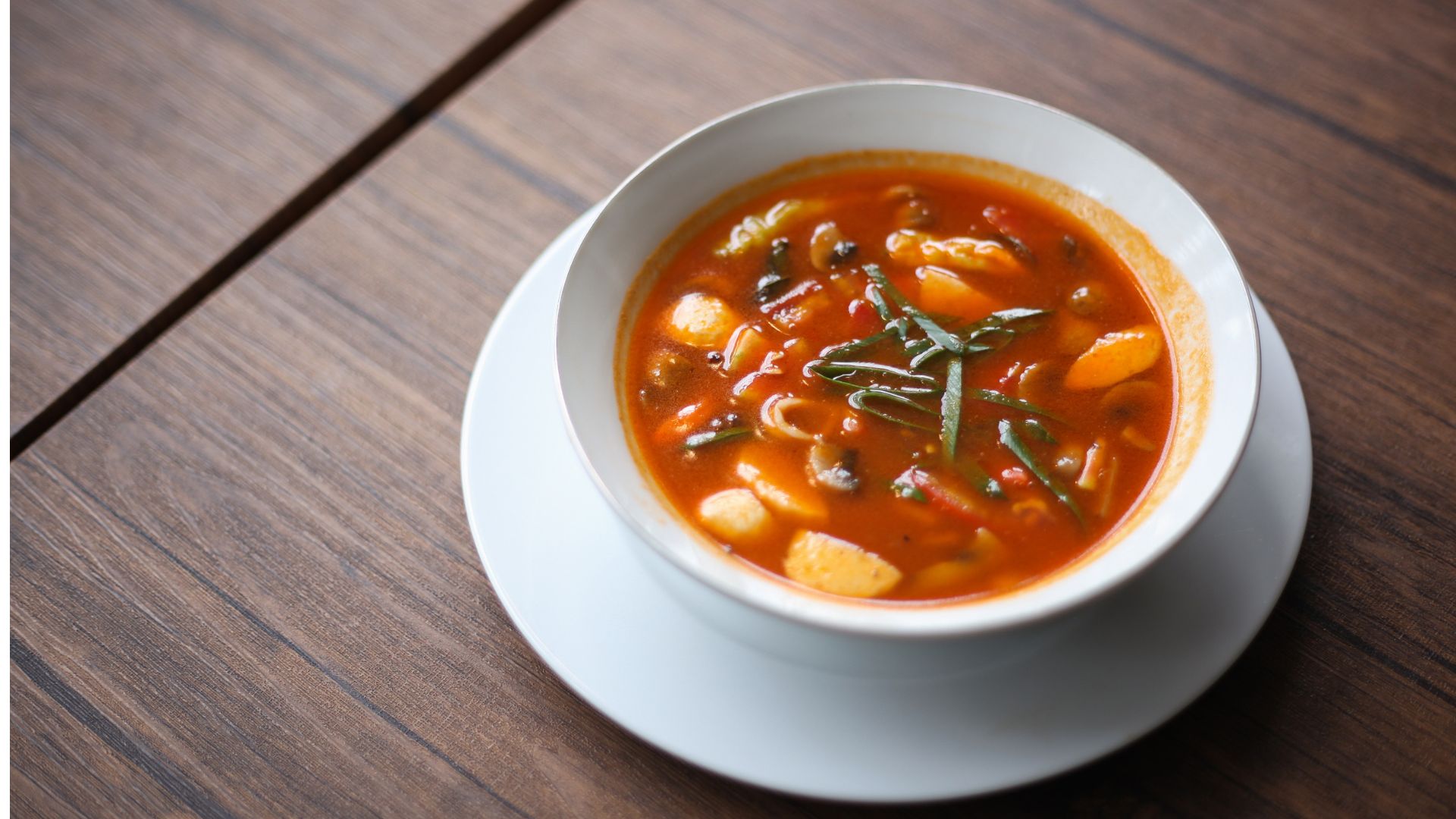
Asia Pacific Soup Market Growth Driven by Urban Lifestyles and Health Trends
The Asia Pacific soup market is witnessing steady and sustained growth as changing consumer lifestyles, rising urbanization, and increasing health awareness reshape food consumption patterns across the region. Once rooted primarily in traditional culinary practices, soup is now evolving into a modern convenience food category, bridging heritage flavors with ready-to-eat innovation.
According to Renub Research, the Asia Pacific soup market stood at USD 6.67 billion in 2024 and is projected to reach USD 9.66 billion by 2033, growing at a CAGR of 4.2% from 2025 to 2033. This growth reflects the region’s transition toward convenient, nutritious, and accessible meal solutions.
Download Free Sample Report:https://www.renub.com/request-sample-page.php?gturl=asia-pacific-soup-market-p.php
Market Overview: Tradition Meets Convenience
Soup has long held cultural and culinary importance across Asia Pacific. From Japan’s miso soup and China’s herbal broths to Thailand’s tom yum and Korea’s kimchi jjigae, soups are deeply embedded in daily diets.
Traditionally consumed for their nutritional benefits, digestibility, and comforting qualities, soups are now being reimagined in packaged formats such as instant, canned, and ready-to-eat variants. These products cater to modern consumers seeking quick meal solutions without compromising on taste or nutrition.
The growing popularity of functional foods and plant-based diets is also influencing product innovation, with manufacturers introducing low-sodium, organic, and fortified soup options.
Key Growth Drivers in the Asia Pacific Soup Market
1. Rapid Urbanization and Busy Lifestyles
Urbanization is one of the most significant factors driving demand for packaged soups in the Asia Pacific region. As more people migrate to cities and adopt fast-paced lifestyles, the need for convenient meal options is increasing.
Instant and ready-to-eat soups offer a quick and easy alternative to traditional cooking, making them especially popular among working professionals, students, and urban households.
With nearly 55% of the region’s population expected to live in urban areas by 2030, demand for convenience foods like soup is set to rise further.
2. Rising Health Awareness
Consumers across Asia Pacific are becoming increasingly health-conscious, seeking foods that are nutritious, low in calories, and easy to digest. Soups, particularly those made with vegetables, herbs, and functional ingredients, are perceived as healthy meal options.
The growing prevalence of lifestyle-related diseases such as obesity, diabetes, and hypertension is encouraging consumers to adopt lighter and healthier diets. This trend is driving demand for low-sodium, organic, and plant-based soups.
Brands are responding by introducing clean-label products with natural ingredients, catering to the evolving preferences of health-conscious consumers.
3. Expansion of Organized Retail and E-Commerce
The growth of supermarkets, hypermarkets, and online grocery platforms is significantly improving the accessibility and visibility of soup products across the region.
Organized retail outlets offer a wide variety of soup options, competitive pricing, and promotional campaigns, encouraging consumer adoption. Meanwhile, e-commerce platforms are enabling consumers to explore and purchase both local and international brands with ease.
Online channels also provide personalized recommendations, reviews, and subscription services, further enhancing customer engagement.
4. Product Innovation and Localization
Manufacturers are focusing on product innovation to cater to diverse consumer preferences. This includes introducing regional flavors, improving nutritional profiles, and enhancing packaging formats.
Localized offerings that reflect traditional tastes—such as spicy, herbal, or region-specific soups—are gaining popularity. At the same time, innovations in packaging, such as single-serve cups and sachets, are making soups more convenient for on-the-go consumption.
Challenges in the Asia Pacific Soup Market
Preference for Traditional Home-Cooked Meals
Despite the growing popularity of packaged soups, many consumers in the Asia Pacific region still prefer freshly prepared meals. Cultural traditions and dietary habits often prioritize home-cooked food, particularly in rural and semi-urban areas.
This preference can limit the penetration of processed and packaged soup products in certain markets.
Price Sensitivity in Emerging Economies
Price sensitivity remains a key challenge, especially in developing countries such as India, Indonesia, and Vietnam. Premium soup products may struggle to compete with affordable, locally prepared alternatives.
Manufacturers must strike a balance between quality, affordability, and innovation to appeal to a broader consumer base.
Segment Analysis: Key Market Trends
By Type
- Instant Soup: Dominates the market due to convenience and quick preparation time
- Canned Soup: Valued for long shelf life and variety
- Dehydrated Soup: Lightweight and easy to store
- Chilled Soup: Growing in premium and health-focused segments
- Others
Instant soups remain the most popular category, driven by their affordability and ease of use.
By Category
- Vegetarian Soup: Increasing demand due to plant-based diets
- Non-Vegetarian Soup: Strong demand in countries with meat-based culinary traditions
Vegetarian soups are gaining traction, particularly in markets like India and Thailand.
By Distribution Channel
- Supermarkets & Hypermarkets
- Convenience Stores
- Online
Convenience stores and online platforms are emerging as key growth channels, especially in urban areas.
Country-Level Insights
China: A Blend of Tradition and Innovation
China represents one of the largest soup markets in the region, with a strong cultural foundation in herbal and medicinal soups. Packaged soups are gaining popularity among urban consumers, supported by product innovation and e-commerce growth.
Japan: Mature and Innovation-Driven Market
Japan’s soup market is deeply rooted in its culinary traditions, with miso soup being a staple. The market is characterized by high demand for convenience, quality, and health-focused products.
India: Emerging Market with Strong Potential
India’s soup market is expanding steadily, driven by urbanization, rising incomes, and exposure to global cuisines. Instant soups are particularly popular among young consumers, while vegetarian options dominate due to dietary preferences.
Australia: Health and Premium Segment Growth
Australia’s market is driven by demand for organic, plant-based, and clean-label soups. Seasonal consumption patterns and strong retail infrastructure support market growth.
Competitive Landscape
The Asia Pacific soup market is highly competitive, with both global and regional players striving to capture market share.
Key companies include:
- The Campbell Soup Company
- Nestlé S.A.
- General Mills Inc.
- Baxters Food Group Ltd.
- Conagra Brands, Inc.
- Hindustan Unilever Group
- Premier Foods
- Associated British Foods Inc.
These companies are focusing on innovation, branding, and expanding distribution networks to strengthen their position in the market.
Strategic Recommendations for Industry Players
Focus on Health-Oriented Products
Develop low-sodium, organic, and functional soups to meet growing health awareness.
Enhance Affordability
Introduce cost-effective product variants to cater to price-sensitive consumers.
Leverage Digital Channels
Expand presence on e-commerce platforms and utilize digital marketing to reach wider audiences.
Invest in Localization
Tailor products to regional tastes and preferences to increase acceptance and market penetration.
Future Outlook: Steady Growth with Evolving Consumer Preferences
The Asia Pacific soup market is expected to maintain steady growth through 2033, driven by urbanization, health trends, and innovation. As consumers continue to seek convenient and nutritious meal options, the demand for packaged soups will remain strong.
The integration of traditional flavors with modern formats will play a key role in shaping the future of the market.
Final Thoughts
The Asia Pacific soup market reflects a unique blend of tradition and modernity. While deeply rooted in cultural heritage, it is rapidly adapting to changing consumer lifestyles and preferences.
Despite challenges such as price sensitivity and preference for home-cooked meals, the market offers significant growth opportunities for manufacturers willing to innovate and adapt.
As the market approaches USD 9.66 billion by 2033, it underscores the enduring appeal of soup as both a comfort food and a convenient nutrition solution—positioning it as a staple in the evolving food landscape of Asia Pacific.