How to Detail Cars That Are Frequently Parked Outdoors
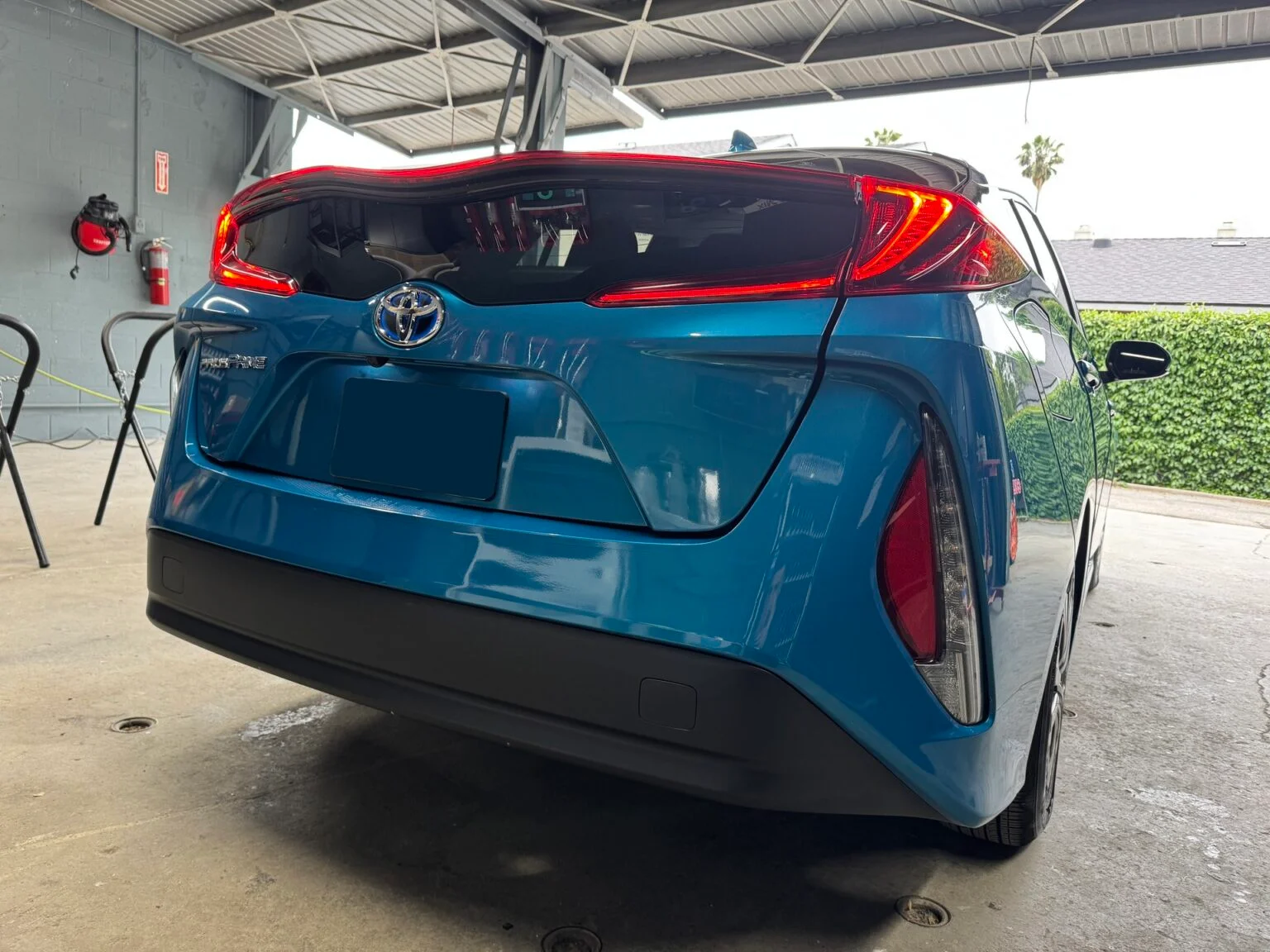
Understanding the Challenges of Outdoor Parking
Vehicles that remain outdoors are exposed to constant environmental changes. Even a single day can introduce multiple contaminants to the surface.
Some of the most common issues include:
- Dust and airborne pollution settling on the paint
- Bird droppings that can damage the clear coat
- Tree sap and pollen from nearby vegetation
- Water spots caused by rain or sprinklers
- UV exposure that slowly fades trim and paint
Unlike cars stored indoors, outdoor vehicles rarely stay clean for long. Because of this, detailing routines must focus on both cleaning and protection.
Start with a Thorough Initial Wash
The first step in detailing any outdoor vehicle is a careful wash that removes accumulated contaminants without scratching the paint.
Outdoor vehicles often carry a heavier layer of dust and grit. Washing improperly can drag those particles across the paint surface and create swirl marks.
A safe washing method usually includes:
- Rinsing the vehicle thoroughly before touching the paint
- Using the two-bucket wash method
- Washing from top to bottom
- Using soft microfiber wash mitts
This process ensures that dirt is lifted away rather than rubbed into the surface.
One small observation from years of detailing: many people wash the lower panels first because they look dirtiest. In reality, starting from the bottom spreads heavy grime to cleaner areas of the vehicle. Working from top to bottom prevents that problem.
Removing Stubborn Contaminants
Outdoor parking often leads to contaminants that normal washing cannot remove.
For example, tree sap and tar can bond strongly to paint surfaces. These substances require specialized products designed to dissolve them safely.
After the initial wash, detailers often inspect the vehicle closely and address problem areas individually.
A few common treatments include:
- Tar removers for asphalt residue
- Bug removers for insect buildup on the front bumper
- Clay bar treatments to remove embedded contaminants
Clay bars are particularly effective because they remove microscopic particles that washing alone cannot eliminate.
When used properly, they leave the paint surface smooth and ready for protection.
Protecting the Paint from Environmental Damage
Protection is especially important for vehicles parked outdoors. Without it, contaminants stick to the paint more easily and sunlight gradually dulls the finish.
Applying a protective layer after detailing helps reduce these effects.
Popular options include:
- Carnauba wax
- Synthetic paint sealants
- Ceramic coatings
Each option creates a barrier that helps repel dirt, water, and environmental fallout.
Vehicles with protective coatings are noticeably easier to maintain because contaminants do not adhere as strongly to the surface.
Insider Tip: Pay Attention to Horizontal Panels
One trick experienced detailers often use is focusing extra attention on horizontal panels such as the hood, roof, and trunk.
These areas receive the most direct exposure to sunlight and airborne contaminants. They are also the surfaces where bird droppings and tree sap most frequently land.
Applying an extra layer of protection to these panels can extend the life of the paint finish.
It may seem like a small detail, but it often makes a visible difference over time.
Cleaning Exterior Trim and Plastic Surfaces
Outdoor exposure affects more than just the paint. Plastic trim pieces and rubber seals can fade or dry out after long periods in the sun.
Detailing these areas restores their appearance and helps prevent cracking.
After cleaning, many detailers apply a trim protectant that restores color and adds UV resistance.
This step keeps exterior plastics from turning dull or chalky.
Interior Care for Outdoor Vehicles
Vehicles parked outdoors often collect more interior dust than garage-kept cars.
Every time the door opens, airborne particles enter the cabin. Over time, they settle on dashboards, vents, and upholstery.
A proper interior detail usually includes:
- Vacuuming carpets and seats
- Cleaning door panels and consoles
- Wiping dashboards and steering wheels
- Removing dust from air vents
Keeping the interior clean helps maintain comfort and reduces the buildup of allergens.
Insider Tip: Use Interior Protectants with UV Protection
A lesser-known trick used by professional detailers is applying UV-protective products inside the vehicle.
Dashboards and door panels receive sunlight through the windows every day. Without protection, these materials may fade or crack over time.
Applying a protectant every few months helps maintain the original appearance of interior surfaces.
It also reduces the amount of dust that sticks to them.
Handling Bird Droppings and Sap Quickly
Two of the most damaging contaminants for outdoor vehicles are bird droppings and tree sap.
Both substances contain compounds that can damage paint if left untreated.
Bird droppings are particularly aggressive because they contain acidic components that begin reacting with paint almost immediately.
The best approach is quick removal. Keeping a small microfiber cloth and detailing spray in the vehicle can make it easy to wipe away these deposits before they cause damage.
Quick action prevents permanent stains or etching.
Regular Maintenance Makes a Big Difference
Detailing an outdoor vehicle once is helpful, but consistent maintenance is what truly preserves its appearance.
Cars parked outside benefit from more frequent light cleaning rather than occasional deep cleaning.
A practical routine might include:
- Washing the vehicle every one to two weeks
- Applying protective wax every few months
- Cleaning the interior monthly
- Removing contaminants as soon as they appear
This approach prevents buildup and keeps the vehicle looking fresh even with constant outdoor exposure.
Vehicle Care and Long-Term Protection
Maintaining a vehicle’s exterior and interior condition contributes to its overall longevity. Proper detailing not only improves appearance but also protects materials from environmental damage.
Automotive professionals who work with vehicle restoration often emphasize the importance of consistent maintenance. Experts referenced in this guide on Collision repair pasadena frequently point out that caring for paint, trim, and structural components helps preserve the vehicle’s condition over the years.
While detailing focuses on aesthetics, it plays a meaningful role in long-term vehicle preservation.
Creating a Detailing Routine for Outdoor Vehicles
Cars that spend most of their time outdoors simply need a little extra attention.
A simple routine can help keep them in excellent condition:
- Inspect the vehicle regularly for contaminants
- Wash it using safe methods that prevent scratches
- Apply protective coatings to the paint
- Maintain both exterior and interior surfaces
These habits reduce the impact of sun, rain, and pollution.
Over time, the difference becomes clear. Vehicles that receive regular care continue to look vibrant even after years of outdoor parking.
Final Thoughts
Cars that are frequently parked outdoors face constant exposure to environmental elements that gradually affect their appearance and condition. Dust, sunlight, rain, and airborne contaminants all contribute to the wear seen on many daily-driven vehicles.
Proper detailing helps counter these effects. Through careful washing, contaminant removal, protective coatings, and consistent maintenance, outdoor vehicles can maintain their shine and cleanliness despite the challenges they face.
Also read for more information so click here.