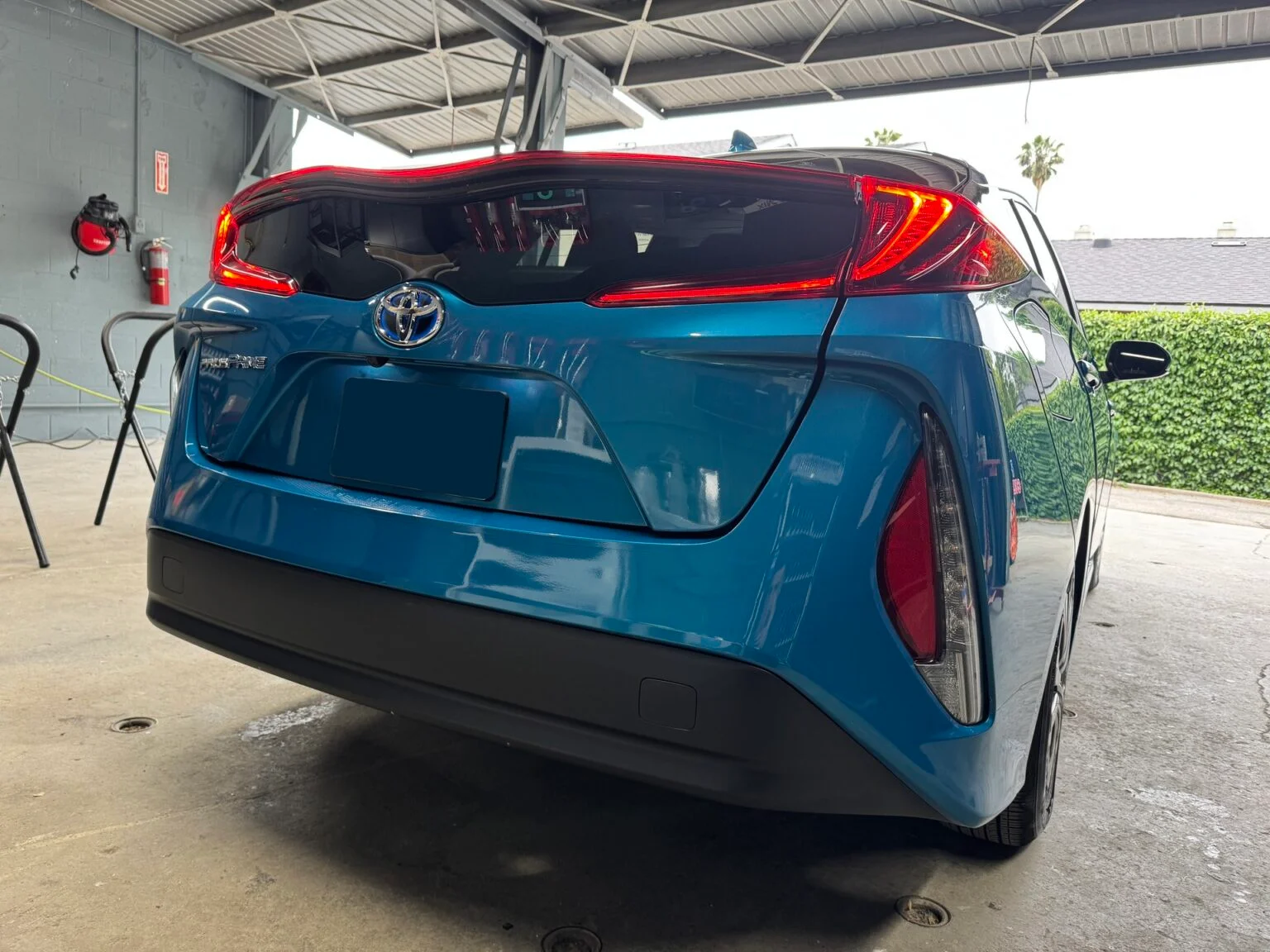
What Nobody Tells You About Your Car’s Lost Value After a Crash
What Nobody Tells You About Your Car’s Lost Value After a Crash
So you got your car fixed after an accident. The body shop did solid work. Paint matches perfectly. Everything looks brand new. But here’s the thing — your car is now worth less money. Even with flawless repairs.
And that lost value? You might be able to get it back.
Most people have no idea this is even a thing. Insurance companies definitely won’t bring it up. But diminished value claims exist, and they can put real money back in your pocket. We’re talking anywhere from a few hundred bucks to several thousand dollars depending on your situation.
If you’ve recently searched for an Auto Accident Repair Service near me and got your vehicle fixed, you need to understand what happens to your car’s worth after collision repair. Let’s break down how this actually works.
Why Repaired Cars Are Worth Less Than Clean-Title Vehicles
Think about it from a buyer’s perspective. Would you pay the same price for two identical cars if one had accident history and one didn’t? Of course not.
That’s inherent diminished value in action. No matter how perfect the repair job is, the accident gets reported to Carfax and similar services. Future buyers will know. And they’ll negotiate the price down because of it.
Studies show that vehicles with reported accidents sell for 10% to 25% less than comparable clean-title cars. On a $30,000 vehicle, that’s $3,000 to $7,500 in permanent value loss.
You shouldn’t have to eat that cost when someone else caused the accident.
The Three Types of Diminished Value You Should Know
Not all value loss is the same. Understanding the differences matters when you file your claim.
Immediate diminished value is the difference between what your car was worth right before the crash and right after, while it’s still damaged. This one’s pretty straightforward.
Inherent diminished value is what we just talked about — the permanent stigma attached to any vehicle with accident history, regardless of repair quality. This is what most claims focus on.
Repair-related diminished value happens when the repairs themselves aren’t quite right. Maybe the new fender gaps aren’t perfect. Maybe the paint doesn’t match in certain lighting. These flaws create additional value loss beyond just the accident history.
How Insurance Adjusters Actually Calculate This Stuff
Here’s where it gets interesting. Insurance companies use various formulas to determine diminished value, and honestly, most of them lowball you.
The most common method is called the 17c formula. It starts with your car’s pre-accident value, multiplies it by 10% as the base loss cap, then applies modifiers based on damage severity and current mileage. Sounds reasonable until you realize it almost always undervalues your claim.
If you’re looking for an Auto Accident Repair Service near me that understands this process, finding a shop with experience documenting damage properly can make a real difference in your claim outcome.
Real Numbers: What You Can Actually Expect
Let’s run through a quick example. Say your car was worth $25,000 before the accident. Using a basic calculation:
- Base diminished value (10%): $2,500
- Moderate structural damage modifier (0.75): $1,875
- Mileage under 20,000 modifier (1.0): $1,875 final estimate
But independent appraisers often come back with higher figures. They’ll factor in your specific make and model, local market conditions, and the actual extent of repairs. A professional appraisal might put that same claim at $3,500 or more.
Which States Let You File These Claims
Now for the tricky part. Your ability to recover diminished value depends heavily on where you live and who caused the accident.
Third-party claims — where you file against the at-fault driver’s insurance — are allowed in most states. Georgia actually made this a big deal after a court ruling established it as a legitimate damage category.
First-party claims — where you file against your own insurance — are much harder. Most policies exclude diminished value coverage. Some states like Georgia require insurers to pay it, but they’re the exception.
According to legal definitions of diminished value, the concept applies to any asset that loses worth due to damage history, but insurance policy language often limits what you can actually recover.
If you’re dealing with a complex claim, Crash Magic Extreme Autobody can provide detailed repair documentation that supports your diminished value case with the insurance company.
Building a Strong Diminished Value Claim
Documentation is everything here. You can’t just call up the insurance company and say “pay me for my car’s lost value.” You need proof.
What You’ll Need to Gather
Start with your pre-accident vehicle valuation. Pull recent sales of comparable vehicles in your area. Kelley Blue Book and Edmunds work fine, but actual sold listings from local dealers are better evidence.
Get a complete repair estimate and final invoice. Every part replaced, every hour of labor. The more extensive the repairs, generally the stronger your claim.
Photos help too. Before and after shots showing the damage and repairs. Adjusters respond better when they can actually see what happened.
And seriously consider getting an independent appraisal. Yes, it costs money upfront — usually $200 to $400. But appraisers know exactly what documentation insurance companies need, and their professional opinion carries weight. For additional information on working with appraisers, research local options in your area.
The Negotiation Process
Most insurance companies will deny or lowball your first diminished value claim. Don’t panic. This is normal.
Respond with your documentation. Point to comparable vehicles without accident history selling for higher prices. Reference your independent appraisal if you have one.
Be persistent but professional. Many claims settle after a couple rounds of back-and-forth. If the insurance company won’t budge and the amount is significant, small claims court is an option. Filing fees are cheap, and you don’t need a lawyer.
When Filing a Claim Makes Sense (And When It Doesn’t)
Diminished value claims aren’t always worth pursuing. If you’re driving an older car with high mileage, the value loss might only be a few hundred dollars. That’s probably not worth the hassle.
But if you drive a newer vehicle — especially one that’s less than three years old with under 40,000 miles — the numbers add up fast. Luxury cars and trucks hold value better, which means they also lose more in diminished value situations.
Also consider whether you plan to sell or trade in the vehicle soon. If you’re keeping it until the wheels fall off, diminished value affects you less practically. But if you lease or regularly trade vehicles, recovering that lost value matters.
Frequently Asked Questions
How long do I have to file a diminished value claim after an accident?
Statutes of limitations vary by state, but you typically have two to four years from the accident date. Don’t wait too long though — memories fade, documentation gets lost, and building your case becomes harder over time.
Can I file a diminished value claim if I was partially at fault?
It depends on your state’s fault laws. In comparative negligence states, your recovery gets reduced by your percentage of fault. In contributory negligence states, any fault on your part might bar recovery entirely.
Will filing a diminished value claim raise my insurance rates?
Filing against the at-fault party’s insurance shouldn’t affect your rates since you’re not filing on your own policy. It’s considered a liability claim against the other driver, not a claim on your coverage.
Do I need an attorney to pursue diminished value?
Most people handle these claims themselves successfully. Attorneys make sense for large claims or if the insurance company completely stonewalls you. Many personal injury lawyers offer free consultations to evaluate whether your case needs professional help.
Can I claim diminished value on a leased vehicle?
This gets complicated. The leasing company technically owns the car, so they might have rights to the diminished value claim. Check your lease agreement and consider contacting the lessor before filing.
Getting your car repaired after an accident is just the first step. Understanding the full financial impact — including permanent value loss — helps you recover what you’re actually owed. Your car’s history changed the moment that accident happened. Make sure you’re compensated for it.