


Exploring the Benefits of WhatsApp Automation for Small Businesses: How to Enhance Customer Engagement and Streamline Communication
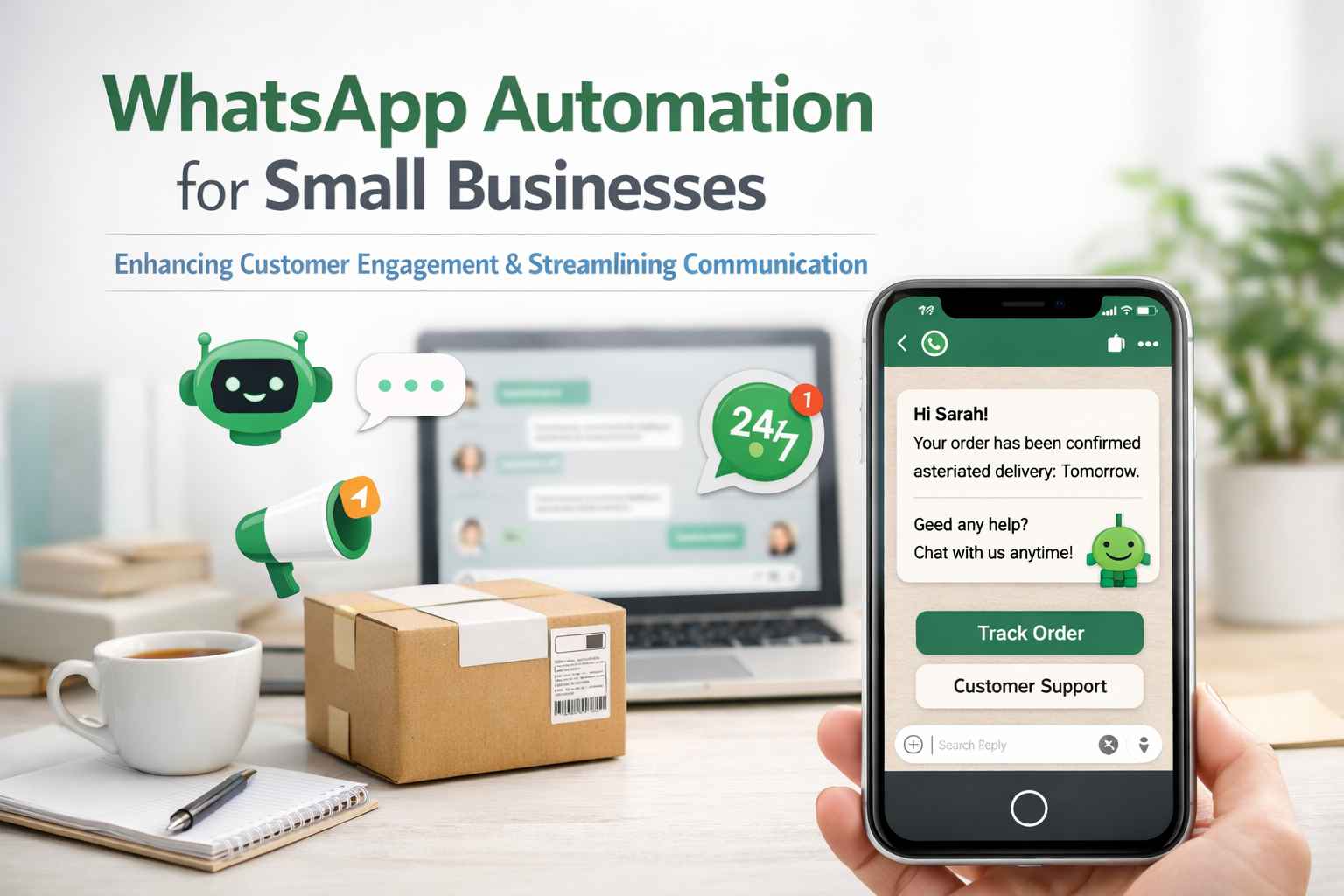
Small businesses today operate in a fast-paced digital environment where customers expect quick responses, personalized interactions, and convenient communication channels. Messaging platforms have become a preferred method for customers to connect with brands, and WhatsApp stands out as one of the most widely used platforms across the world.
WhatsApp automation is transforming how small businesses interact with customers by enabling faster communication, efficient customer support, and improved engagement. With the right tools and strategies, businesses can automate routine tasks while maintaining a personalized experience for their customers.
This article explores how WhatsApp automation benefits small businesses and how it can help improve customer engagement while simplifying communication processes.
What is WhatsApp Automation?
WhatsApp automation refers to the use of automated tools and systems to send messages, respond to customer inquiries, and manage conversations on WhatsApp without manual intervention.
Using automation features available through the WhatsApp Business platform and advanced APIs, businesses can create workflows that handle common interactions such as order confirmations, appointment reminders, customer queries, and promotional messages.
Automation allows businesses to communicate with customers instantly, even outside working hours, ensuring that no customer message goes unanswered.
Why Small Businesses Should Use WhatsApp Automation
Small businesses often face challenges such as limited staff, high customer expectations, and the need to maintain constant communication. WhatsApp automation provides an effective solution to overcome these challenges.
Here are some key reasons why small businesses should adopt WhatsApp automation.
1. Instant Customer Response
Customers expect immediate replies when they reach out to a business. Delayed responses may lead to lost opportunities and dissatisfied customers.
With WhatsApp automation, businesses can set up auto replies that instantly respond to customer inquiries. These automated responses can provide essential information such as product details, pricing, business hours, or support instructions.
Instant responses help create a positive customer experience and increase trust in the brand.
2. 24/7 Customer Support
Small businesses may not always have a dedicated support team available around the clock. Automation allows businesses to provide assistance even when staff members are unavailable.
Automated chat flows can guide customers through common queries, frequently asked questions, and troubleshooting steps. This ensures customers receive help whenever they need it.
Providing 24-hour support improves customer satisfaction and strengthens long term relationships.
3. Improved Customer Engagement
WhatsApp automation helps businesses maintain consistent communication with their audience. Automated messaging can be used to send updates, reminders, offers, and important notifications.
For example, businesses can automatically send order updates, delivery notifications, or appointment reminders. These timely messages keep customers informed and engaged with the brand.
Regular communication through WhatsApp helps build stronger connections and encourages repeat interactions.
4. Efficient Lead Management
Managing customer inquiries manually can be time consuming, especially for small teams. Automation tools help businesses capture, organize, and respond to leads more efficiently.
When a customer sends a message, automated workflows can categorize the inquiry, collect essential information, and direct the conversation to the appropriate department or team member.
This structured approach helps businesses manage leads more effectively and ensures that potential customers receive timely responses.
5. Time and Cost Savings
Automation reduces the need for manual responses to repetitive questions. This allows employees to focus on more important tasks such as closing sales, resolving complex issues, or improving customer experience.
By automating routine communication tasks, businesses can save time, reduce operational costs, and increase productivity.
Small businesses with limited resources can benefit significantly from this efficiency.
6. Personalized Communication at Scale
Even though automation involves technology, it can still deliver personalized experiences. Businesses can customize automated messages using customer names, purchase history, and preferences.
For example, businesses can send personalized product recommendations, follow up messages, or special offers based on customer interactions.
Personalized communication helps customers feel valued and increases the chances of repeat purchases.
7. Automated Marketing Campaigns
WhatsApp automation also supports marketing initiatives. Businesses can schedule and send promotional messages, product announcements, and event notifications to targeted audiences.
Automated campaigns ensure that messages are delivered at the right time, improving the chances of engagement and conversion.
Small businesses can use these campaigns to promote new products, share limited time offers, or announce upcoming events.
8. Better Customer Journey Management
Automation enables businesses to guide customers through a structured communication journey. From the first inquiry to post purchase support, automated workflows can ensure every stage of the customer journey is handled efficiently.
For example:
- Greeting new customers with a welcome message
- Sharing product information automatically
- Sending order confirmations
- Providing delivery updates
- Requesting feedback after purchase
This organized communication improves customer satisfaction and strengthens the overall brand experience.
Top 10 WhatsApp Business API Providers in India (2026) for SMBs and Startups
Best Practices for Using WhatsApp Automation
To maximize the benefits of WhatsApp automation, small businesses should follow some best practices.
Keep messages clear and concise
Customers prefer quick and easy to understand messages.
Avoid excessive messaging
Sending too many automated messages may overwhelm customers.
Maintain a human touch
Automation should support communication, not completely replace human interaction.
Use analytics and insights
Tracking message performance helps businesses improve their communication strategies.
Final Thoughts
WhatsApp automation has become a powerful tool for small businesses that want to improve customer communication and operate more efficiently. By automating routine interactions, businesses can provide faster responses, enhance customer engagement, and manage communication at scale.
With the growing popularity of messaging platforms, adopting WhatsApp automation can give small businesses a competitive advantage. It allows them to deliver better customer experiences while saving time and resources.
Businesses that embrace automation today are better prepared to build stronger customer relationships and achieve sustainable growth in the digital marketplace.