
Origination Software: Transforming the Future of Lending with Efficiency and Precision
In the modern financial landscape, the pressure to process loans quickly, accurately, and in full compliance with regulations has never been greater. Manual processes, spreadsheets, and paper documentation are no longer sufficient to meet the demands of borrowers and regulatory authorities. Financial institutions, including banks, credit unions, and mortgage lenders, are increasingly turning to advanced solutions to streamline operations and ensure optimal customer experiences. One of the most transformative tools available today is origination software.
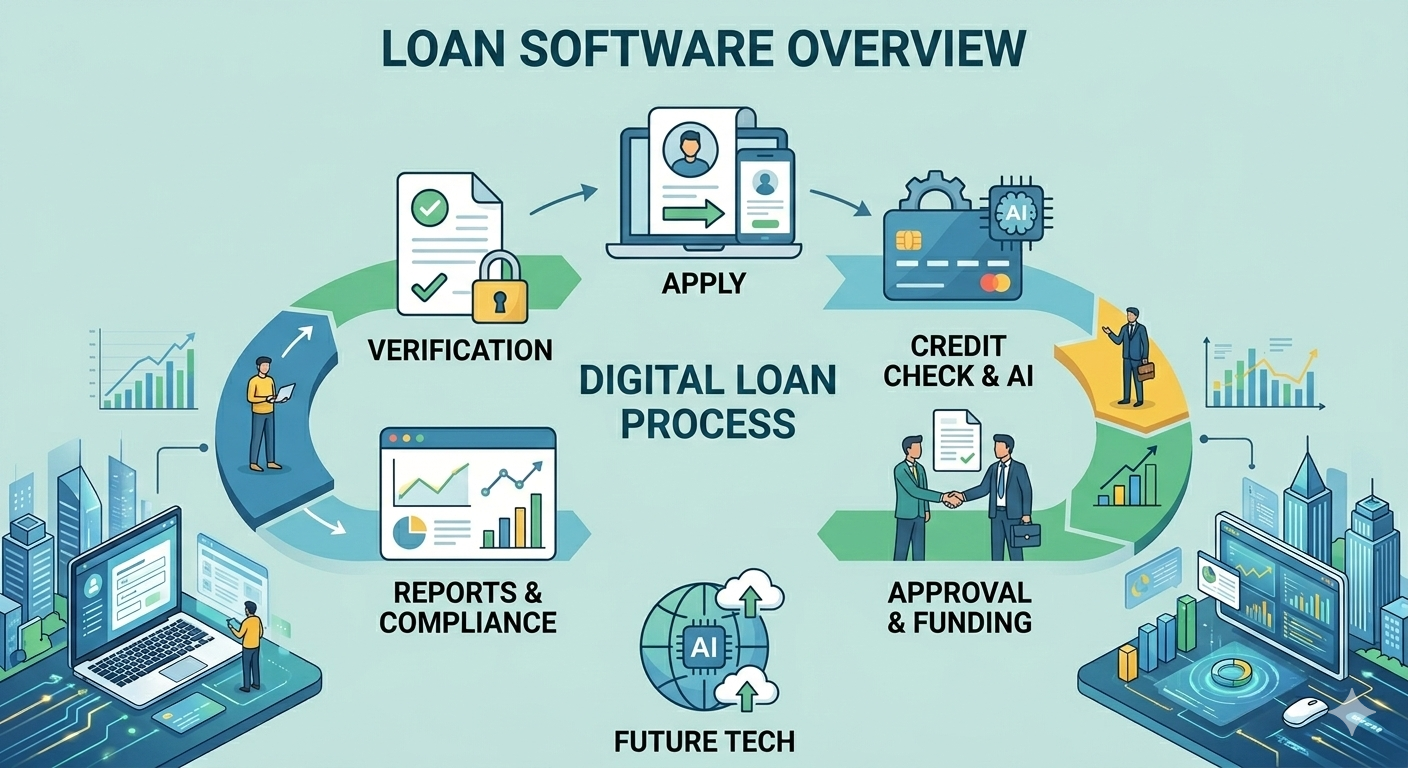
Origination software is designed to manage the entire lifecycle of a loan—from application and verification to approval and reporting—through an integrated and automated system. This solution enables lenders to reduce operational inefficiencies, enhance decision-making, and provide borrowers with faster and more transparent service. However, its impact goes far beyond automation. It shapes organizational workflows, supports compliance, and provides deep analytical insights that guide strategic decision-making.
This article explores the benefits, features, implementation strategies, and future trends of origination software. It also explains how financial institutions can leverage these systems to improve operational efficiency, minimize risk, and enhance overall performance.
Understanding Origination Software
At its core, origination software is a digital platform that manages the end-to-end loan process. It allows financial institutions to collect and verify borrower information, assess creditworthiness, facilitate underwriting decisions, and manage compliance documentation within a centralized system. By automating and integrating these steps, institutions can achieve both efficiency and accuracy, reducing the likelihood of errors that occur with manual processing.
Modern origination software often includes capabilities such as digital application portals, automated credit scoring, workflow management, document verification, and integration with third-party services like credit bureaus or regulatory reporting systems. These tools not only simplify internal operations but also improve the borrower experience by offering transparency, instant updates, and secure communication channels.
The Operational Benefits of Origination Software
Implementing origination software provides tangible benefits to financial institutions of all sizes. While the advantages may vary depending on organizational needs and system sophistication, several benefits are universally recognized:
Streamlined Processes and Increased Efficiency
Manual loan processing involves numerous repetitive tasks, such as verifying documents, entering data, and coordinating approvals. Origination software automates these processes, reducing processing time and freeing staff to focus on more strategic responsibilities.
Reduced Errors and Enhanced Accuracy
Human error is a common source of delays and compliance issues. Automated validation checks, standardized workflows, and integrated data verification tools reduce errors and ensure consistency across the organization.
Improved Risk Management
Advanced origination software incorporates credit scoring models, predictive analytics, and risk assessment tools. These features allow lenders to evaluate borrower eligibility accurately, identify potential risks, and make informed decisions that minimize defaults.
Enhanced Customer Experience
Borrowers expect quick responses, transparent communication, and a simplified application process. Origination software provides online application capabilities, real-time status updates, and secure messaging, resulting in higher customer satisfaction and loyalty.
Compliance and Regulatory Assurance
Financial institutions operate in a highly regulated environment. Origination software maintains detailed records, audit trails, and automated compliance checks, ensuring adherence to regulatory requirements and reducing the risk of penalties.
Scalability for Growing Institutions
As loan volumes increase, manual processes become increasingly unsustainable. Origination software enables institutions to scale efficiently, handling higher volumes without a proportional increase in staff or operational cost.
Key Features of Origination Software
To select the right system, it is important to understand the core features of modern origination software:
• Application Management: Capture and process loan applications digitally, ensuring accuracy and easy accessibility.
• Document Verification: Automate collection, validation, and storage of required documentation.
• Credit and Risk Assessment: Evaluate borrower eligibility using integrated scoring and risk analysis tools.
• Workflow Automation: Standardize processes, assign approvals, and trigger notifications automatically.
• Reporting and Analytics: Monitor performance, track bottlenecks, and generate actionable insights.
• Integration Capabilities: Connect seamlessly with CRM systems, accounting software, and regulatory platforms.
These features collectively provide a cohesive system that streamlines operations while maintaining a high level of transparency and control.
Choosing the Right Origination Software
Selecting an origination software solution requires careful evaluation to ensure it aligns with institutional goals, operational workflows, and compliance requirements.
Understanding Organizational Needs
Before implementing any system, it is crucial to assess current workflows, loan volumes, and regulatory obligations. Understanding these factors ensures the chosen software meets both current needs and future growth objectives.
Evaluating User Experience
A user-friendly interface is critical for adoption. Employees should be able to navigate the system easily, while customers should find online applications and status tracking intuitive and convenient.
Vendor Reputation and Support
Partnering with a reliable vendor is essential. Look for providers with proven expertise, responsive support, and regular software updates. Companies such as FICS have developed origination software solutions that balance advanced features with ease of use and customer-centric design.
Budget and ROI Considerations
Cost planning should include licensing, implementation, training, and ongoing maintenance. Compare these costs to the efficiency gains, reduced error rates, and improved customer experience to calculate return on investment.
Security and Compliance
Data protection and regulatory adherence are critical. Ensure the system supports encryption, access controls, and automated compliance reporting to safeguard sensitive borrower information.
Best Practices for Implementation
Even the most advanced origination software will underperform if not implemented correctly. Consider these best practices for successful deployment:
• Conduct comprehensive training for all users.
• Start with a pilot program before full-scale implementation.
• Configure workflows to match institutional processes.
• Establish metrics to track adoption, performance, and efficiency gains.
• Maintain support channels and regularly update the system to keep pace with regulatory changes.
Future Trends in Origination Software
As technology evolves, origination software continues to incorporate advanced features to meet emerging industry needs:
Artificial Intelligence and Machine Learning
AI can enhance credit scoring, fraud detection, and predictive analytics. Machine learning models improve over time, increasing accuracy in risk assessment and lending decisions.
Cloud-Based Platforms
Cloud origination software offers scalability, remote access, reduced IT costs, and seamless integration with other systems.
Enhanced Customer Interfaces
Modern solutions prioritize customer experience with mobile-friendly applications, real-time status tracking, and automated notifications.
Regulatory Automation
Automated compliance monitoring and reporting simplify adherence to evolving regulatory standards, reducing administrative burden.
Advanced Analytics
Data-driven insights enable institutions to monitor portfolio performance, identify trends, and make strategic decisions based on predictive models.
Real-World Impact
Financial institutions that adopt origination software often report significant improvements in efficiency, accuracy, and customer satisfaction. Employees can focus on high-value tasks rather than repetitive administrative work. Borrowers experience faster processing, transparency, and reliable communication.
Companies like FICS demonstrate how integrated origination software can transform loan operations, providing both operational efficiency and superior user experience. By leveraging automation and analytics, lenders can achieve better risk management, scalability, and profitability.
Conclusion
Origination software is no longer a luxury for financial institutions; it is a strategic necessity. It streamlines operations, reduces errors, ensures compliance, enhances customer satisfaction, and provides actionable insights for strategic decision-making.
Implementing the right solution involves careful evaluation of organizational needs, vendor capabilities, user experience, and long-term ROI. When combined with proper implementation practices, origination software transforms how financial institutions manage loans, making processes faster, more accurate, and more transparent.
As technology continues to advance, origination software will increasingly incorporate AI, cloud computing, and predictive analytics, positioning lenders to respond to growing demand, improve efficiency, and deliver exceptional service.
By embracing origination software, financial institutions are not only modernizing their operations—they are building a foundation for sustainable growth, operational excellence, and enhanced borrower experience.