
The Power of Grace in Tough Times: Solving Everyday Conflicts with Rhonda House’s Living LARGE Philosophy
Conflict is part of being human. It appears in conversations that feel tense, in relationships that strain under stress, and in moments when emotions rise faster than understanding. During difficult seasons, conflict can feel heavier, more personal, and harder to resolve.
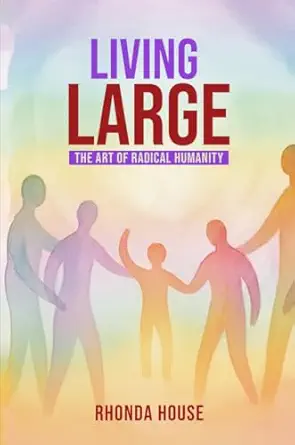
In Living LARGE: The Art of Radical Humanity – Reclaiming Kindness as a Superpower, Rhonda House offers grace as a guiding principle for navigating these moments. Grace, in her philosophy, is not about ignoring harm or avoiding hard conversations. It is about choosing humanity when circumstances tempt us toward judgment, defensiveness, or withdrawal.
Understanding Grace Beyond Politeness
Grace is often misunderstood as softness or silence. In reality, grace requires strength. It asks us to respond thoughtfully rather than react emotionally. It allows space for imperfection without abandoning accountability.
House positions grace as one of the core pillars of Living LARGE, intertwined with love, acceptance, respect, and empathy. Grace is the practice of meeting people, including ourselves, where they are, especially when things feel strained or unresolved.
In tough times, grace becomes a stabilizing force. It slows the moment. It creates room to breathe before responding. It reminds us that conflict does not have to define a relationship or a community.
Why Conflict Feels Harder in Difficult Seasons
Stress narrows perspective. Grief, uncertainty, exhaustion, and pressure all make us more reactive. During these moments, misunderstandings escalate quickly. Words carry extra weight. Small disagreements feel personal.
The House’s philosophy acknowledges this reality. Living LARGE does not deny difficulty. It invites awareness of our internal state and encourages reflection before action. Grace becomes the pause that prevents conflict from becoming damage.
When we choose grace, we interrupt cycles of blame and defensiveness. We create the possibility of resolution rather than escalation.
Practicing Grace in Everyday Conflicts
Grace shows up in small, often unseen ways.
It looks like listening without planning a rebuttal.
It sounds like responding with curiosity instead of certainty.
It feels like choosing calm when irritation would be easier.
In everyday conflicts, grace allows us to separate intent from impact. It helps us recognize that most people are navigating their own unseen challenges. This does not excuse harmful behavior, but it does change how we approach resolution.
Grace allows us to ask better questions. What might be influencing this moment? What matters most here, being right or being connected? How can I respond in a way that aligns with who I want to be?
Grace as a Bridge between People
One of the most powerful aspects of grace in the Living LARGE philosophy is its relational impact. Grace restores trust. It keeps conversations open. It turns conflict into an opportunity for understanding rather than division.
When grace is present, people feel less threatened. Defenses lower. Honesty becomes possible. Even difficult conversations can happen without causing lasting harm.
This applies not only to personal relationships but also to workplaces, communities, and leadership spaces. Grace creates environments where people feel respected even when disagreements arise.
Extending Grace to Yourself
Grace is incomplete if it is only offered outwardly. House emphasizes the importance of self-grace, especially during challenging times.
Mistakes will happen. Reactions will not always reflect our best intentions. Growth is uneven and imperfect.
Practicing grace with ourselves means acknowledging missteps without harsh self-judgment. It means learning rather than retreating into shame. Self-grace makes it easier to extend grace to others because we are no longer demanding perfection from anyone.
Choosing Grace as a Daily Practice
Grace is not a single act. It is a daily choice, often made quietly and without recognition. It is choosing patience in traffic, understanding in disagreement, and kindness when emotions run high.
Living LARGE invites us to see grace as a strength, not a weakness. In tough times, grace becomes a form of leadership. It models how to stay human when circumstances challenge our capacity to do so.
By choosing grace in everyday conflicts, we contribute to healthier relationships and more compassionate communities. One moment at a time, grace transforms not only how we solve conflict, but how we live alongside one another.