Islamabad’s Leading Total Knee Replacement Center
Living with chronic knee pain can make everyday activities challenging. Tasks such as walking, climbing stairs, or even standing for long periods can become exhausting and painful. For individuals suffering from advanced arthritis or severe knee joint damage, surgery is often the most effective solution to regain mobility and improve quality of life. Over the past few years, orthopedic care in Islamabad has progressed significantly, providing advanced surgical techniques, expert surgeons, and structured rehabilitation programs to ensure smooth recovery.
Total knee replacement in Islamabad is now recognized as a reliable treatment for individuals struggling with severe knee pain. With modern hospital facilities, experienced orthopedic specialists, and post-operative physiotherapy, patients can regain independence, reduce discomfort, and return to an active lifestyle. This guide explains the procedure, rehabilitation, balance exercises, costs, and what patients can expect during recovery.
What Is Total Knee Replacement?
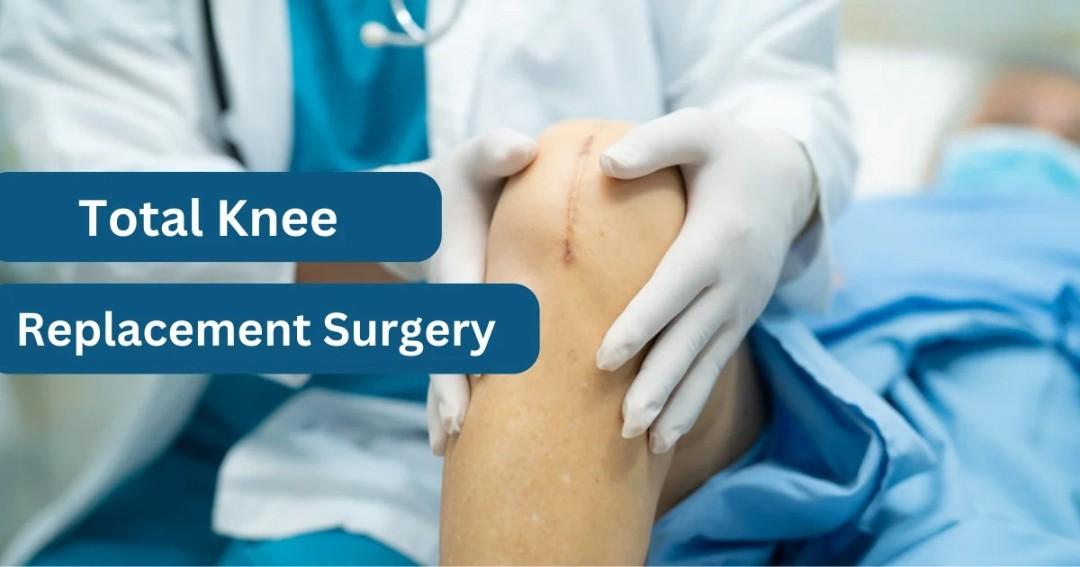
Total knee replacement is a surgical procedure in which a damaged knee joint is replaced with an artificial implant. This operation is recommended for patients with severe osteoarthritis, rheumatoid arthritis, post-traumatic arthritis, chronic stiffness, or persistent pain that does not improve with medication or physical therapy. During surgery, the orthopedic surgeon removes the damaged cartilage and bone and replaces it with high-quality metal and plastic components designed to mimic natural knee movement. The procedure reduces pain, restores joint function, and enhances the patient’s overall quality of life.
Who Should Consider Knee Replacement Surgery?
Not every case of knee pain requires surgery. Total knee replacement is usually considered when pain persists despite medications, injections, or physiotherapy, and when routine activities like walking or climbing stairs become difficult. Patients with knee deformities, instability, or restricted mobility are also candidates. While most patients are over 50, younger individuals with significant joint damage may qualify after a thorough evaluation by an orthopedic specialist.
Bilateral Total Knee Replacement
In some cases, both knees may be affected by severe arthritis. Bilateral total knee replacement involves replacing both knees either during the same surgical session or in two separate procedures. This approach offers advantages such as a single hospital stay, one rehabilitation period, and a faster overall recovery. Surgeons carefully assess patients’ overall health, heart condition, and physical readiness before recommending bilateral surgery.
Surgical Procedure
Total knee replacement surgery typically takes 1.5 to 2 hours under anesthesia. The surgeon makes an incision over the knee, removes the damaged bone and cartilage, fits the artificial implant, and closes the incision. Most patients remain hospitalized for 2 to 4 days, depending on recovery speed and medical condition. Post-surgery care includes pain management, monitoring for complications, and beginning early mobility exercises to support rehabilitation.
Total Knee Replacement Physiotherapy
Total knee replacement physiotherapy is a crucial part of recovery. Physiotherapy restores knee movement, strengthens muscles around the joint, and prevents stiffness. Rehabilitation usually begins within 24 hours after surgery, encouraging patients to stand and walk short distances with support.
Stages of Physiotherapy
- Weeks 1–2: Gentle knee bending, ankle pumps, and assisted walking.
- Weeks 3–6: Muscle strengthening, stationary cycling, and gradually increasing walking distances.
- After 6 Weeks: Advanced strengthening exercises, stair climbing, and balance training for optimal knee function.
Consistent physiotherapy ensures better recovery outcomes and allows patients to regain normal daily activity levels more quickly.
Balance Exercises After Total Knee Replacement
Post-surgery, some patients experience balance issues due to muscle weakness and adaptation to the new joint. Balance exercises after total knee replacement are essential to restore stability and coordination. Common exercises include standing on one leg with support, heel-to-toe walking, mini squats, side leg raises, and stability ball exercises. Working with a physiotherapist ensures these exercises are performed safely and effectively.
Recovery Timeline
Recovery differs for each patient, but a typical timeline is:
- Weeks 1–2: Walking with crutches or a walker and performing gentle exercises.
- Weeks 3–6: Improved knee bending and reduced swelling.
- Week 6: Ability to perform light daily activities.
- 3 Months: Significant strength and mobility improvements.
- 6–12 Months: Full recovery and maximum surgical benefits.
Following physiotherapy guidelines and post-operative instructions ensures faster recovery and long-term success.
Risks and Complications
Like any major surgery, total knee replacement carries risks. While rare, complications can include infection, blood clots, implant loosening, nerve injury, and knee stiffness. Choosing an experienced surgeon and reputable hospital and adhering to post-operative care instructions can minimize these risks.
Total Knee Replacement Cost in Islamabad
The total knee replacement cost depends on factors such as the hospital, surgeon experience, type of implant, and whether one or both knees are replaced. In Islamabad, the cost ranges from PKR 500,000 to PKR 1,500,000. Additional factors affecting cost include hospital facilities, length of stay, physiotherapy sessions, and the choice of a single or bilateral procedure. While the cost may seem substantial, patients often consider it a long-term investment in mobility, independence, and a pain-free life.
Preparing for Surgery
Proper preparation improves surgical outcomes and reduces post-operative complications. Patients are advised to maintain a healthy weight, control blood sugar and blood pressure, quit smoking, perform pre-surgery strengthening exercises, and arrange home support after surgery. Being well-prepared helps patients adapt to post-operative changes and accelerates recovery.
Life After Knee Replacement
After recovery, most patients experience pain relief, improved mobility, and a higher quality of life. Daily activities become easier, sleep improves, and independence is restored. High-impact activities such as running or jumping are discouraged, but walking, swimming, and cycling are safe and beneficial. Modern knee implants typically last 15–20 years or more depending on lifestyle and weight management.
Why Islamabad Is a Preferred Destination
Islamabad has become a leading hub for orthopedic care, offering experienced surgeons, advanced surgical techniques, modern implants, and structured rehabilitation programs. Hospitals in the city are well-equipped for complex knee replacement procedures, attracting patients from across Pakistan seeking safe, reliable, and effective treatments.
Conclusion
Total knee replacement can be life-changing for patients with chronic knee pain. Understanding the benefits of bilateral total knee replacement, following total knee replacement physiotherapy, and performing balance exercises after total knee replacement are all essential for successful recovery. With the total knee replacement cost in Islamabad ranging from PKR 500,000 to PKR 1,500,000, the long-term benefits of pain-free mobility, independence, and improved quality of life make this procedure a valuable investment. Consulting a qualified orthopedic specialist in Islamabad is the first step toward a more active and comfortable life.