Ultimate Guide to Creating a Sustainable Weight Loss Program

Understanding the Foundation of Healthy Weight Loss
Creating lasting change begins with shifting your mindset from quick fixes to long-term habits. Many people chase rapid results, only to regain the weight when restrictive plans become impossible to maintain. Sustainable progress focuses on consistency, balance, and realistic expectations. Instead of extreme dieting, the goal should be steady improvement in daily routines that support overall health.
A successful weight loss program is not about eliminating entire food groups or spending endless hours at the gym. It is about building a structure that fits naturally into your lifestyle. When your approach feels manageable, you are far more likely to maintain it for months and years rather than weeks.
Setting Clear and Realistic Goals
The first step toward meaningful change is defining specific, achievable goals. Rather than focusing solely on the number on the scale, consider performance-based and habit-based goals. These might include cooking at home more often, exercising three times a week, or improving sleep quality. Such goals build a strong foundation for gradual and steady progress.
Short-term milestones also help maintain motivation. Breaking larger objectives into smaller phases allows you to track improvement without feeling overwhelmed. When you celebrate small wins, you reinforce positive behaviors that contribute to long-term success.
Building a Balanced Nutrition Plan
Nutrition plays a central role in any sustainable strategy. Instead of restrictive dieting, focus on balanced meals that include lean proteins, whole grains, healthy fats, and a variety of fruits and vegetables. This approach supports metabolism, stabilizes energy levels, and reduces cravings.
Portion awareness is equally important. Mindful eating encourages you to listen to hunger and fullness cues rather than relying on strict calorie rules. When balanced nutrition becomes part of your routine, healthy eating feels natural instead of forced.
Incorporating Effective Physical Activity
Exercise should enhance your lifestyle, not dominate it. Choose activities you genuinely enjoy, whether that is strength training, walking, cycling, or swimming. When workouts feel rewarding rather than punishing, consistency becomes easier to maintain.
Strength training deserves special attention because it supports muscle preservation and metabolic health. Combined with moderate cardiovascular exercise, it creates a balanced routine that promotes fat loss while protecting overall well-being. The key is regular movement, not perfection.
Prioritizing Recovery and Mental Health
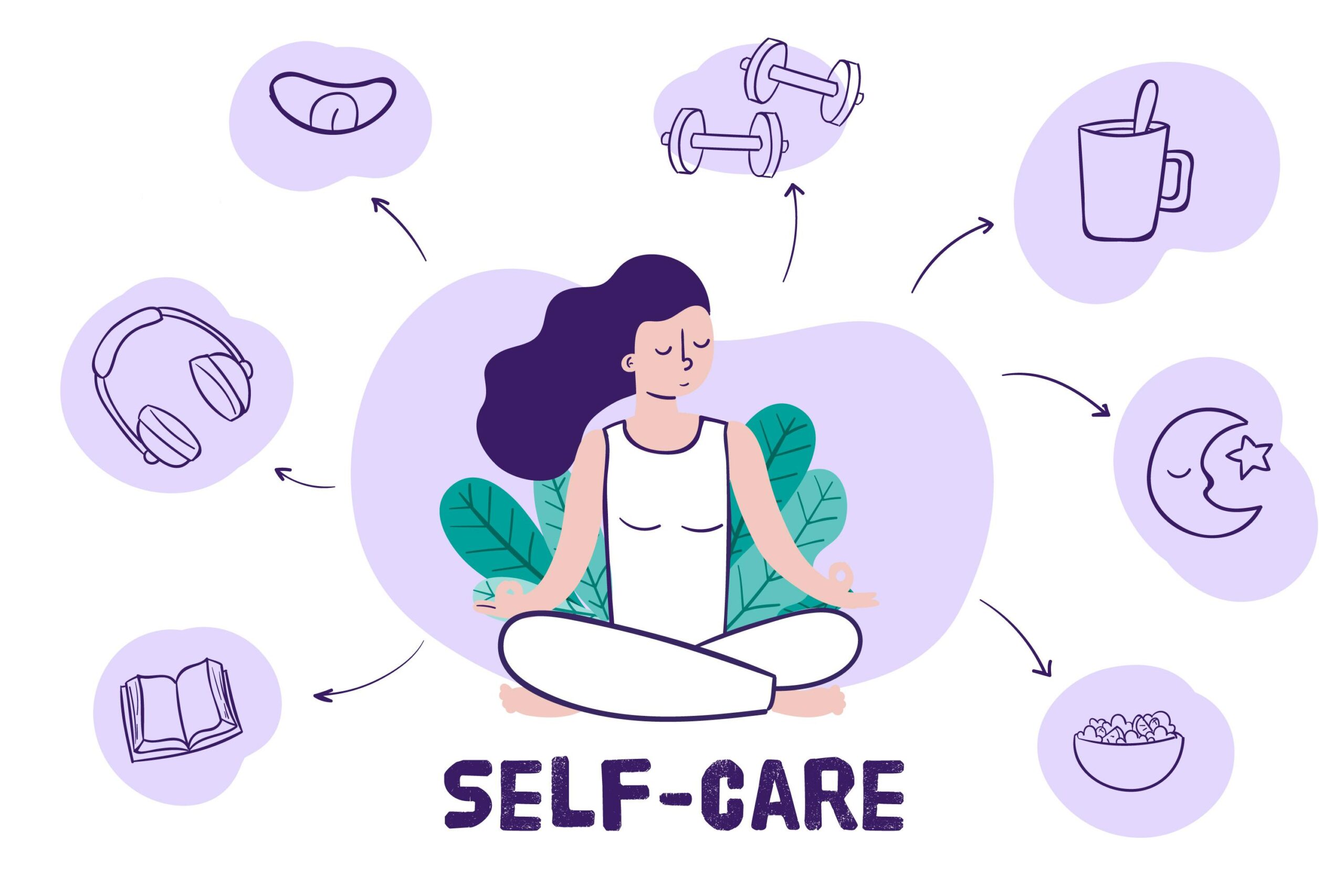
Sleep, stress management, and emotional balance are often overlooked, yet they significantly impact results. Poor sleep can disrupt hormones that regulate hunger and appetite. Chronic stress may lead to emotional eating and reduced motivation. Addressing these factors strengthens the effectiveness of your overall plan.
Developing coping strategies such as journaling, meditation, or structured relaxation techniques can help maintain emotional stability. A sustainable approach considers both physical and mental health as interconnected parts of long-term progress.
Tracking Progress and Making Adjustments
Monitoring your journey provides valuable feedback. This does not mean obsessing over daily fluctuations, but rather reviewing trends over time. Measurements, progress photos, and energy levels can offer a broader perspective than weight alone.
Flexibility is essential. As your body adapts, your strategy may need refinement. Adjusting calorie intake, exercise intensity, or recovery practices ensures continued progress without burnout. A sustainable plan evolves with you.
Committing to Long-Term Lifestyle Change
Ultimately, success depends on commitment to habits that you can maintain indefinitely. Temporary motivation fades, but structured routines create lasting transformation. Focus on consistency over intensity, and remember that setbacks are part of growth.
When approached with patience and balance, sustainable weight loss becomes less about restriction and more about empowerment. By building habits that support your body and mind, you create results that last far beyond short-term goals.