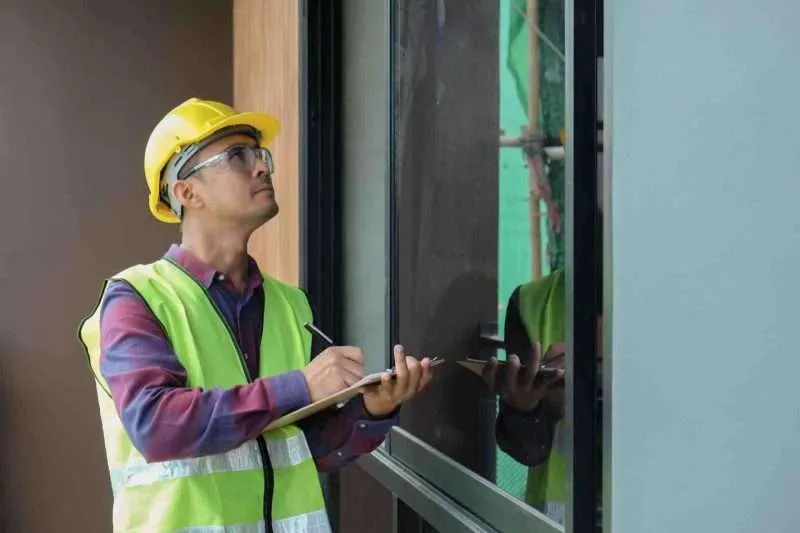
Why Lone Maintenance Workers Are at High Risk of Injury

Maintenance work often takes place in challenging environments—industrial plants, construction sites, or remote facilities—where hazards are unpredictable and conditions can change rapidly. When workers perform these tasks alone, the risk of accidents, delayed medical response, and severe injury increases significantly. Obtaining an OSHA Certificate equips workers and supervisors with the knowledge to identify risks, implement safety measures, and respond effectively, reducing the likelihood of serious incidents.
Understanding the Hazards of Lone Maintenance Work
Lone maintenance workers face a unique combination of occupational hazards. The absence of immediate assistance increases vulnerability during mechanical repairs, electrical maintenance, or chemical handling. Recognizing these risks is the first step toward preventing injuries.
1. Mechanical and Electrical Risks
Maintenance tasks often involve machinery, moving parts, and live electrical systems. A simple lapse in concentration or an unexpected malfunction can cause severe injury. OSHA Certificate programs provide detailed guidance on lockout-tagout procedures, machinery inspection, and safe operational practices.
2. Slip, Trip, and Fall Hazards
Workers moving across uneven surfaces, ladders, or scaffolds are prone to falls. Wet floors, poorly maintained walkways, or cluttered work areas amplify the danger. Awareness of hazard identification, proper footwear, and structured safety checks can prevent many of these incidents.
3. Exposure to Hazardous Substances
Cleaning agents, solvents, and industrial chemicals are frequently used in maintenance. Improper handling can lead to burns, respiratory problems, or long-term health issues. Training emphasizes proper storage, handling, and the use of personal protective equipment (PPE) to reduce exposure.
4. Mental and Physical Fatigue
Lone workers may endure long shifts without breaks or social support. Fatigue impairs judgment, slows reaction times, and increases susceptibility to accidents. Employers should schedule regular rest periods and implement monitoring systems to ensure workers remain alert.
Organizational Implications of Neglecting Lone Worker Safety
Failing to address lone worker risks has consequences beyond individual safety. Workplace incidents can disrupt operations, incur regulatory penalties, and damage organizational reputation.
5. Operational Disruption
Accidents often lead to downtime, repairs, or rerouted work schedules. When a lone worker is injured, immediate assistance may be unavailable, extending recovery time and reducing overall productivity.
6. Compliance and Regulatory Risks
Non-compliance with occupational safety standards exposes organizations to fines and legal action. Demonstrating adherence to safety protocols, including training through an OSHA Certificate, can mitigate liability and show regulatory diligence.
7. Reputation and Workforce Retention
High injury rates or unsafe working conditions harm an organization’s public image and may lead to higher staff turnover. Prioritizing safety fosters trust and demonstrates commitment to employee welfare.
Preventive Measures for Lone Maintenance Workers
Practical, actionable steps reduce exposure to hazards and enhance safety culture.
8. Risk Assessment and Planning
- Conduct regular hazard evaluations of facilities and equipment.
- Establish clear safety protocols for high-risk tasks.
- Implement emergency response plans specific to lone working scenarios.
- Schedule work shifts to minimize fatigue and maintain adequate supervision.
9. Communication and Monitoring
- Use check-in systems or mobile tracking for workers in isolated areas.
- Provide access to emergency communication devices.
- Encourage reporting of near misses and unsafe conditions to improve protocols.
- Review incident data periodically to adjust safety strategies.
10. Personal Protective Equipment and Tools
- Ensure workers have PPE such as gloves, helmets, eye protection, and safety boots.
- Provide ergonomically designed tools and lifting aids to prevent musculoskeletal injuries.
- Maintain equipment and machinery according to manufacturer safety guidelines.
Training as the Foundation of Safety
Education empowers lone workers to act safely and respond effectively during emergencies.
11. Value of OSHA Certification
Completing an OSHA Certificate program equips maintenance personnel with the skills to identify hazards, follow proper procedures, and implement emergency measures. The structured curriculum covers both physical and procedural safety, fostering a proactive safety culture.
12. Choosing the Right Training Program
Selecting a reputable program is critical. An OSHA Course in Pakistan ensures that local workers understand regional regulations, workplace challenges, and practical strategies for maintaining safety during solitary maintenance tasks.
FAQs
1. Who is considered a lone maintenance worker?
Any employee performing maintenance tasks without immediate supervision or colleagues nearby.
2. What are the most common hazards?
Mechanical injuries, electrical shocks, slips and falls, chemical exposure, and fatigue-related incidents.
3. How can organizations reduce risk?
Through risk assessments, safety protocols, emergency communication systems, PPE, and targeted training.
4. Why is OSHA certification important for lone workers?
It provides knowledge of safety standards, hazard identification, and best practices to reduce injury risk while working alone.
5. Can technology replace training?
No. Technology supports safety, but worker knowledge, awareness, and procedural training remain essential for effective hazard prevention.
6. How can fatigue be managed?
Scheduled breaks, workload planning, monitoring systems, and access to mental health resources help maintain alertness and prevent accidents.
Conclusion
Lone maintenance workers face heightened risks due to isolation, hazardous environments, and limited immediate support. By implementing comprehensive risk assessments, safety protocols, monitoring systems, and structured training through an OSHA Certificate and accredited OSHA Course in Pakistan, organizations can significantly reduce injury rates. Prioritizing lone worker safety ensures personnel remain protected, confident, and capable while performing critical maintenance tasks safely.