
Hospitality Internships in France Requirements, Skills, and Hotel Expectations Explained
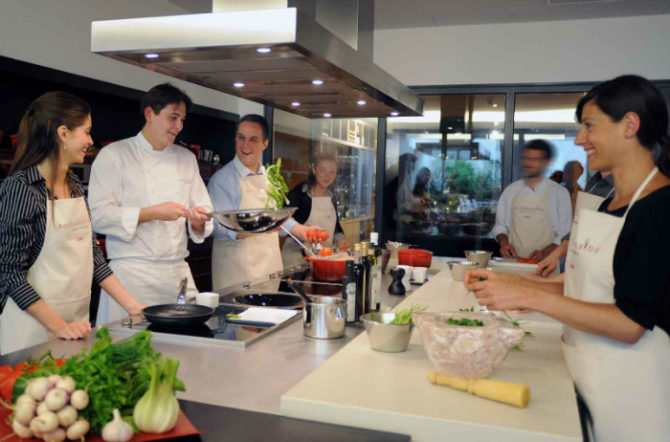
France has long been considered the heart of global hospitality and culinary excellence. From luxury hotels in Paris to Michelin-starred restaurants in Lyon and the Riviera, the country sets some of the highest service standards in the world. That’s why hospitality internships in France are in such high demand among students who want serious international exposure and long-term career growth.
However, securing a placement isn’t just about enthusiasm or travel dreams. Hotels and restaurants in France look for specific qualifications, skills, and professional attitudes. This guide explains everything you need to know about hospitality and culinary internships in France, including eligibility requirements, practical skills, and what leading hotels truly expect from interns.
Why Choose Hospitality Internships in France?
Before diving into requirements, it’s important to understand why internships in France stand out compared to other destinations.
France offers:
- Globally recognised hospitality standards
- Strong training culture in hotels and kitchens
- Paid or stipend-based internships
- Cultural immersion in service excellence
- High value on resumes worldwide
A culinary internship in France or hotel internship isn’t just work experience—it’s professional grooming at an international level.
Basic Requirements for Hospitality Internships in France
While requirements can vary depending on the hotel, role, and internship duration, most hospitality internships in France share common eligibility criteria.
Educational Background
Applicants are usually expected to be:
- Hospitality or hotel management students
- Culinary arts students
- Tourism or food & beverage students
- Recent graduates from recognised institutions
Formal education assures hotels that interns understand basic hospitality concepts.
Age Criteria
Most programs require students to be:
- Between 18 and 30 years old
(Some programs may extend slightly beyond this range)
Internship Duration
Typical durations include:
- 3 to 6 months (most common)
- Up to 12 months for advanced or long-term placements
Hotels prefer longer internships because it allows interns to fully integrate into operations.
Visa & Documentation
International students must have:
- A valid internship agreement
- Student or internship visa
- Passport with sufficient validity
- Health insurance coverage
Professional internship consultancies usually assist with this process.
Skills Hotels Look for in Hospitality Interns
Leading hotels in France are less interested in perfection and more focused on attitude, adaptability, and professionalism.
Communication Skills
You don’t need fluent French, but hotels value:
- Clear communication
- Polite, confident interaction with guests
- Willingness to learn basic French phrases
Even basic effort in language learning is seen as a sign of respect and commitment.
Customer Service Mindset
France is known for structured service etiquette. Hotels expect interns to:
- Be guest-focused at all times
- Maintain professionalism under pressure
- Understand service flow and guest expectations
This is especially important in front office and food & beverage roles.
Teamwork & Discipline
Hospitality operations rely heavily on teamwork. Interns must:
- Follow instructions carefully
- Respect hierarchy and senior staff
- Adapt to structured schedules and shifts
This discipline is what makes internships in France highly respected globally.
Time Management & Reliability
Punctuality is non-negotiable. Hotels expect interns to:
- Arrive on time
- Complete tasks efficiently
- Respect work schedules
Reliability is often more important than technical expertise.
Expectations for Culinary Internships in France
A culinary internship in France comes with its own set of expectations, especially given the country’s reputation in gastronomy.
Basic Kitchen Knowledge
Culinary interns should already understand:
- Kitchen hygiene and safety
- Basic cooking techniques
- Knife handling and food prep
French kitchens are fast-paced, and interns are expected to adapt quickly.
Physical & Mental Stamina
Kitchen roles can be demanding. Hotels expect interns to:
- Work long hours on their feet
- Handle pressure during service
- Maintain focus and cleanliness
This experience builds resilience and professional confidence.
Respect for Culinary Tradition
France values culinary heritage. Interns are expected to:
- Follow recipes precisely
- Respect classic techniques
- Learn before improvising
This discipline is what makes hospitality and culinary internships in France so valuable for future chefs.
Departments Offering Hospitality Internships in France
Hotels and restaurants offer internships across multiple departments, depending on your background:
- Front Office & Guest Relations
- Food & Beverage Service
- Culinary & Kitchen Operations
- Housekeeping
- Hotel Operations & Support Roles
Placements are usually aligned with your academic training.
Paid vs Unpaid Internships in France
Many hospitality internships in France are paid or provide financial support. Benefits may include:
- Monthly stipend
- Duty meals
- Accommodation or housing assistance
This makes internships in France more accessible to international students and reduces financial pressure.
What Hotels Really Evaluate During Internships
Hotels don’t just assess your skills—they evaluate your potential.
They observe:
- Work ethic and consistency
- Willingness to learn
- Professional attitude
- Cultural adaptability
Strong interns often receive:
- Completion certificates
- Letters of recommendation
- Future job references
In some cases, interns are even invited back for future roles.
Common Mistakes Students Should Avoid
To succeed in a France hospitality internship, avoid:
- Overconfidence without listening
- Ignoring workplace hierarchy
- Poor time management
- Lack of cultural sensitivity
Hotels value humility and learning attitude more than ego.
How Hospitality Internships in France Shape Careers
Completing hospitality and culinary internships in France often leads to:
- Better job offers after graduation
- Higher starting salaries
- Opportunities with international hotel brands
- Greater confidence in global work environments
Employers worldwide recognise the discipline and training that comes with French hospitality experience.
Final Thoughts
Hospitality internships in France are not just about working abroad—they are about learning hospitality at its highest standard. From clear requirements and structured training to strong hotel expectations, France prepares students for long-term success in the global hospitality industry.
If you’re serious about building a strong international career, a culinary internship in France or hotel internship can be one of the most valuable steps you take.
With the right preparation, mindset, and guidance, internships in France can transform both your professional journey and personal growth.
Frequently Asked Questions (FAQs)
1. What are hospitality internships in France?
Hospitality internships in France are structured training programs that allow students to gain hands-on experience in hotels, restaurants, resorts, and hospitality establishments while learning international service standards in a real working environment.
2. Who can apply for hospitality and culinary internships in France?
Students enrolled in or graduated from hospitality management, hotel management, culinary arts, or tourism programs can apply. Most hospitality and culinary internships in France are open to international students between 18 and 30 years of age.
3. Are hospitality internships in France paid?
Many internships in France are paid or provide stipends. In addition to monthly allowances, some internships also include accommodation, meals, or both, making the experience more affordable for international students.
4. Do I need to speak French to do a hospitality internship in France?
Fluent French is not always required, especially in international hotels. However, basic French language skills are highly recommended and can significantly improve communication, confidence, and overall internship experience.
5. What skills do hotels expect from interns in France?
Hotels look for interns who demonstrate:
- Professional attitude
- Willingness to learn
- Good communication skills
- Time management and discipline
- Teamwork and adaptability
Technical skills are important, but mindset and work ethic matter most.
6. What is expected from students doing a culinary internship in France?
For a culinary internship in France, students should have basic kitchen knowledge, understand hygiene and safety standards, and be physically prepared for fast-paced environments. Respect for culinary traditions and attention to detail are essential.
7. How long do hospitality internships in France usually last
Most hospitality internships in France last between 3 to 6 months, although some advanced or long-term programs may extend up to 12 months depending on visa rules and employer requirements.
8. What departments offer internships in France?
Internships are commonly available in:
- Front office and guest relations
- Food and beverage service
- Culinary and kitchen operations
- Housekeeping
- Hotel operations support
Placements are usually aligned with a student’s academic background.
9. What documents are required for internships in France?
Students typically need:
- Internship agreement
- Valid passport
- Internship or student visa
- Health insurance
- Educational documents
Professional internship consultancies often assist with documentation and visa processes.
10. How do hospitality internships in France help future careers?
Completing hospitality and culinary internships in France enhances global employability, strengthens resumes, builds international networks, and prepares students for careers with top hotel brands worldwide.
Conclusion
Choosing to pursue hospitality internships in France is more than an academic requirement—it’s a strategic move toward building a successful international career. From structured training and high service standards to cultural immersion and global recognition, hospitality and culinary internships in France offer experiences that shape students into confident, industry-ready professionals.
Whether you’re aiming for a luxury hotel role or a culinary internship in France, understanding the requirements, developing the right skills, and meeting hotel expectations are key to making the most of the opportunity. With the right preparation and guidance, internships in France can open doors to long-term growth, valuable global networks, and rewarding career paths in the hospitality industry.
If you’re serious about standing out in a competitive global market, France remains one of the most respected and rewarding destinations to begin your hospitality journey.