

Wearing History The Heritage Gold Necklace
Introduction
Jewelry often tells a story, but a heritage gold necklace recites an entire epic. These are not just ornaments; they are archives cast in precious metal, carrying the weight of generations, the richness of culture, and the echoes of ceremony. A heritage necklace is a tangible link to our past, a piece of wearable history that connects us to our ancestors and the traditions they held dear. Unlike contemporary jewelry that captures a fleeting moment in fashion, these pieces possess a soul forged over decades, or even centuries, of love, celebration, and life.
This article explores the profound significance of heritage gold necklaces. We will delve into the intricate craftsmanship that defines these heirlooms, uncover the deep cultural symbolism they hold, and discover how these treasured artifacts can be gracefully integrated into a modern wardrobe. To wear a heritage necklace is to become a custodian of a legacy, ensuring that the stories and artistry of the past continue to shine brightly in the present.
Craftsmanship That Tells a Story
The allure of a heritage gold necklace is intrinsically tied to the masterful craftsmanship of its creation. In eras before mass production, every piece was a labor of love, shaped by the skilled hands of an artisan who likely inherited their craft through a long family line. These goldsmiths employed techniques that are now considered rare and precious arts in themselves. When you hold a heritage piece, you can often feel the satisfying weight of solid gold, a stark contrast to the hollow-cast jewelry common today.
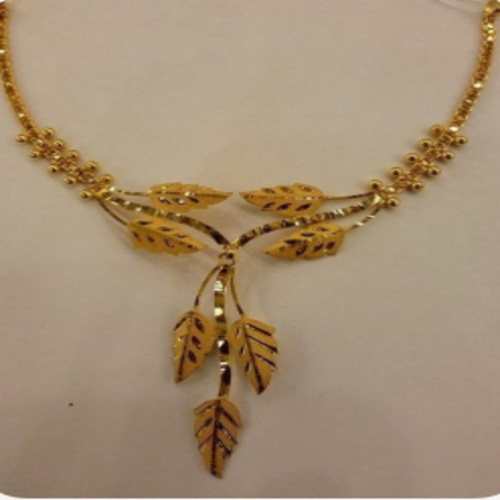
Techniques like granulation, where tiny spheres of gold are meticulously fused to a surface to create intricate patterns, are a hallmark of ancient jewelry from Etruscan to Indian traditions. Filigree work, involving the twisting and soldering of fine gold wires into delicate lace-like designs, gives many heritage necklaces an airy, almost ethereal quality. Hand-engraving and repoussé, which involves hammering a design into the metal from the reverse side to create a raised pattern, add a three-dimensional texture and depth that machine work cannot replicate. These time-honored methods mean that each necklace has a unique character, with slight imperfections that speak to its human origin.
A Tapestry of Cultural Symbolism
Heritage gold necklaces are more than just beautiful objects; they are steeped in cultural symbolism and often play a central role in significant life events. In many cultures, particularly in South Asia and the Middle East, gold is considered auspicious—a symbol of wealth, prosperity, purity, and divine blessing. A heritage necklace is often a key component of a bride’s trousseau, a gift from her family that represents her new status and serves as a form of financial security.
The motifs used in these necklaces are a rich visual language. In Indian heritage jewelry, you might find depictions of deities like Lakshmi, the goddess of wealth, or motifs of peacocks, mangoes, and lotuses, all symbolizing beauty, fertility, and spiritual enlightenment. A manga malai (mango necklace) or a kasu mala (coin necklace) are not just designs but powerful cultural signifiers. Similarly, in many Mediterranean and Balkan traditions, necklaces laden with gold coins were passed down from mother to daughter, representing the family’s history and social standing. Each element, from the choice of gemstone to the shape of a pendant, is laden with meaning passed down through generations.
The Journey of an Heirloom
A true heritage necklace is defined by its provenance—the story of its journey through time. It may have been commissioned for a great-grandmother’s wedding, worn at countless festivals and family gatherings, and carefully preserved through times of hardship and joy. This history imbues the piece with a sentimental value that far exceeds its material worth. The subtle patina that develops on the gold over decades of wear is a testament to the lives it has touched.
Becoming the custodian of such a piece is a profound experience. It represents a trust placed in you by your family to care for a piece of its collective soul. When you wear a heritage necklace, you are not just accessorizing; you are carrying the blessings and memories of those who came before you. It connects you to a lineage of strong women, making you a living link in a chain that stretches back into the past and forward into the future. This emotional resonance is something that can never be purchased offpurchased new off a shelf.
Styling Heritage for the Modern Age
Integrating a piece with such historical weight into a contemporary wardrobe might seem daunting, but it is an opportunity for a unique and powerful style statement. The key is to create a sense of balance, allowing the heritage piece to shine without making your outfit look like a costume. The most effective way to do this is through contrast. Pair an ornate, traditional gold necklace with a modern, minimalist outfit. A heavy, intricate piece looks stunning against the clean lines of a crisp white shirt, a sleek black turtleneck, or a simple, unadorned evening gown.
This juxtaposition allows the craftsmanship of the necklace to take center stage, turning it into a piece of wearable art. It signals a sophisticated understanding of both history and contemporary fashion. You can also deconstruct the look. If a full heritage set feels too overwhelming for a particular occasion, wear a single element, like the necklace, on its own. This allows its beauty to be appreciated without distraction.
Layering offers another creative avenue. You can frame a shorter heritage choker with longer, more delicate modern chains. This creates a bridge between old and new, and the mix of textures and gold tones can add a rich, curated feel to your look. The goal is not to hide the piece’s age but to celebrate it, showing how timeless design can coexist beautifully with modern sensibilities.
The Sustainable and Sentimental Choice
In an age of growing awareness about the environmental and ethical impacts of consumerism, choosing to wear and cherish a heritage necklace is an inherently sustainable act. It honors the resources and labor that went into its creation decades ago and reduces the demand for new mining and manufacturing. It is the ultimate form of slow fashion, a commitment to quality and longevity over fleeting trends.
Beyond its green credentials, the sentimental value of a heritage piece is its greatest asset. It is a conversation starter, an object that prompts stories about family history and cultural traditions. It fosters a sense of identity and belonging. When you pass this necklace on to the next generation, you are not just giving them a piece of jewelry; you are gifting them a piece of their own story, a legacy of love and resilience captured in the enduring glow of gold.
Conclusion
A heritage gold necklace for women is a powerful emblem of who we are and where we come from. It is a masterpiece of historical craftsmanship, a vessel of cultural meaning, and a repository of family memories. Its value is measured not in carats, but in the richness of its story and the depth of its connection to our lineage.
By learning to style these heirlooms for the modern world, we ensure they are not relegated to a dusty vault but are lived in, celebrated, and seen. To wear a heritage gold necklace is to honor the past, adorn the present, and carry a luminous legacy forward for generations to come. It is a beautiful and profound way to wear your history.