
Japan eVisa for Citizens of Russia

Planning a trip to Japan from Russia? Whether you are excited to explore Tokyo’s bustling streets, admire the majestic Mount Fuji, or attend a business meeting, securing the right visa is the first step. The good news is that travelers can now apply online using the Japan eVisa For Citizens of Russia, which simplifies the process by eliminating the need to visit an embassy in person. In this guide, you’ll learn everything about eligibility, required documents, processing times, and tips to make your application smooth and stress-free.
Is a Japan eVisa better than a regular visa?
Travelers find the Japan eVisa application process to be simpler and more accessible than the standard visa application procedure. Here’s why many travelers prefer it:
- eVisa is processed faster than a regular visa, saving you valuable time.
- You can complete your application process without visiting the embassy, which makes it simple to apply.
- The eVisa operates entirely through digital channels, which eliminates the requirement to carry physical documents.
- You can check your application progress through the online system at any time.
- The online application process helps to decrease extra expenses that include travel and courier charges.
How long does it take for a Japan eVisa to be approved?
Choose the speed at which you want your application processed. You can opt for any of the faster services available at a higher charge.
- Normal Processing (26-32 Working Days): This is the regular turnaround time at the normal price.
- Rush Processing (20-26 Working Days): Paying an extra fee, you get a faster processing here.
- Super Rush Processing (14-20 Working Days): The quickest option, with priority handling.
What documents are required for an Japan eVisa for Russia travelers
Please submit copies of the documents below to finish your application:
- Passport Bio Page: Upload a good quality scanned copy of your passport bio data page and the next page.
- Applicant Photo: Upload a recent (within 6 months) passport, style photo with a plain white background.
- Flight Itinerary: Upload a full flight itinerary with the applicants name, dates and all flight details.
- Proof of Immigration Status: Upload fresh front and back images of your visa or residence card (add extension proof if expired).
- Bank Statements: Upload your last three (3) consecutive monthly bank statements showing your name and address.
- Detailed Schedule of Stay: Upload your travel plan day, by, day, with accommodation details, address and phone number.
- Proof of Residential Address: Upload a single document to prove your current address (ID, utility bill or lease agreement).
- Marriage/Birth Certificate: Upload a marriage/birth certificate with a notarized English translation if the original is not in English.
Can you get a refund on a Japan eVisa?
You can request a refund only if your application has not entered processing.
- If you cannot travel due to health or urgent personal reasons, a refund may be considered before processing starts.
- Refunds may be possible if a technical issue affects the visa system.
- Selecting the wrong visa type may allow a refund if you cancel before processing.
- If your visa is refused due to ineligibility or past travel issues, the fee is not refundable.
- All approved refunds are issued back to the same payment method used for the application.
How much is the eVisa fee for Japan?
The Japan eVisa Fees vary according to your visa category and your nationality. Understanding the general procedure is essential because it serves as the fundamental requirement for this task.
- The eVISA system in Japan operates differently according to the applicant’s nationality.
- The applicant needs to submit the initial payment at the time of application or pay the second fee after receiving application approval.
- Some visa agencies charge extra fees for those applicants who decide to use their services.
- The embassy charges nonrefundable fees which remain in effect throughout the visa application procedure.
- The official Japan eVISA website together with the embassy source provides information about current fee regulations.
Is your Japan eVisa automatically linked to your passport?
Yes, your Japan eVisa is electronically linked to your passport, so you don’t need a physical stamp or sticker.
- The eVisa is tied to the passport number provided during application.
- Make sure your passport is valid and correct when applying.
- Any change in passport after approval may require a new eVisa application.
- Immigration officers can verify your eVisa digitally using your passport.
- Carrying a printed copy is optional, but it can help in case of technical issues.
How do you get a proof of address in Japan?
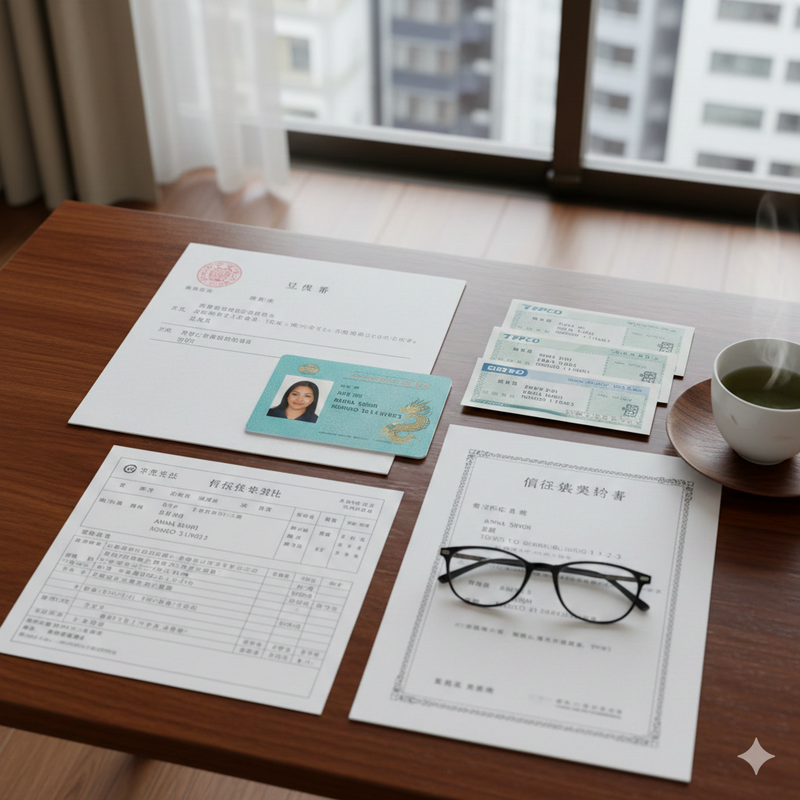
In Japan, people need to provide proof of their residence which serves official and legal requirements. You can obtain it as follows:
- The Resident Card (Zairyu Card) displays your official address for foreign residents.
- Juminhyo (住民票) represents a complete residence document which local municipal offices issue.
- Utility Bills serve as proof when you present your active electricity and gas and water bills which show your name.
- Japanese banks provide statements which show your address and these documents may be accepted.
- Your lease or rental contract serves as proof which shows your current residence.
Do I need a transit visa if I have a layover in Japan?
The requirement for a transit visa in Japan depends on the length of your layover at the airport.
- A transit visa is usually not required for passengers who remain in the airport transit area.
- The need for a temporary or transit visa depends on your nationality when you plan to exit the airport during your layover.
- The official list shows which nationalities do not need transit visas for short layovers. Travelers must verify their travel plans with their airline or Japanese embassy before departure.
- The required documents must be obtained because layovers do not provide automatic entry to the country.
Does a 2-month-old baby need a visa to travel?
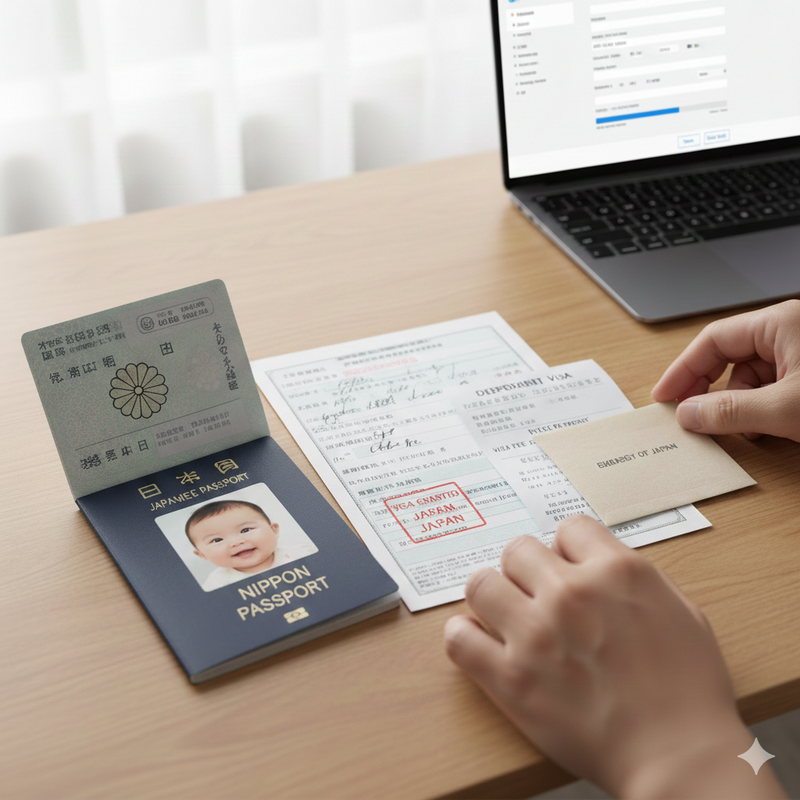
All travelers need a visa to enter Japan because this requirement applies to all people who visit Japan, including infants.
- A baby’s visa application must be separate from the parents’.
- The applicant needs to submit the baby’s passport together with the photo and all required documents.
- Some countries offer dependent or child visa categories, which may have simpler requirements.
- Visa fees apply to all travelers, including infants. Embassy requirements differ according to each nationality, so visitors must verify their particular rules.
Where should I exchange my money for Japan?
Exchanging money for Japan can be done at different locations which provide convenient access to currency exchange services.
- Banks in your home country – Generally provide customers with better exchange rates which they can use before their upcoming travel.
- Airport currency exchange counters – Provide travelers with easy access to currency exchange services although they charge higher fees than other options.
- ATMs in Japan – International cards can be used at 7-Eleven stores, Japan Post locations, and major bank ATMs throughout Japan.
- Hotels – Some hotels provide currency exchange services, but they charge customers less favorable exchange rates.
- Currency exchange shops in cities – Major Japanese cities maintain multiple currency exchange shops which provide customers with competitive exchange rates.
Which airport in Japan is closer to the city?
Japan has several major airports, but proximity to the city varies:
- Tokyo – Haneda Airport (HND) is much closer to central Tokyo than Narita Airport.
- Osaka – Itami Airport (ITM) is nearer to downtown Osaka compared to Kansai International Airport.
- Nagoya – Chubu Centrair (NGO) is located on an island but well connected by train
- Fukuoka Airport (FUK) is right in the city center, making it very convenient.
Choosing the closest airport saves travel time and transportation costs to the city.
Why are tourists going to Japan?

Japan receives millions of visitors through its distinctive combination of cultural heritage and natural beauty and contemporary tourist destinations.
- The country attracts travelers through its historical temples and shrines and its traditional festivals which showcase its rich cultural heritage.
- The authentic Japanese dining experience which includes sushi and ramen and street food creates a strong attraction for visitors.
- The cities of Tokyo and Osaka provide visitors with access to both advanced technological experiences and modern shopping facilities.
- Nature enthusiasts visit Japan because of its cherry blossoms and Mount Fuji and hot springs.
- The country attracts interested tourists through its anime culture and tea ceremonies and sumo events.
Final Thoughts:
For Russian citizens, obtaining a Japan eVisa is a straightforward and convenient way to visit Japan for tourism, business, or short-term stays. By carefully following the application requirements, submitting the necessary documents, and choosing the appropriate processing time, travelers can ensure a smooth and hassle-free experience.