Signs Your Solar System Isn’t Working Properly
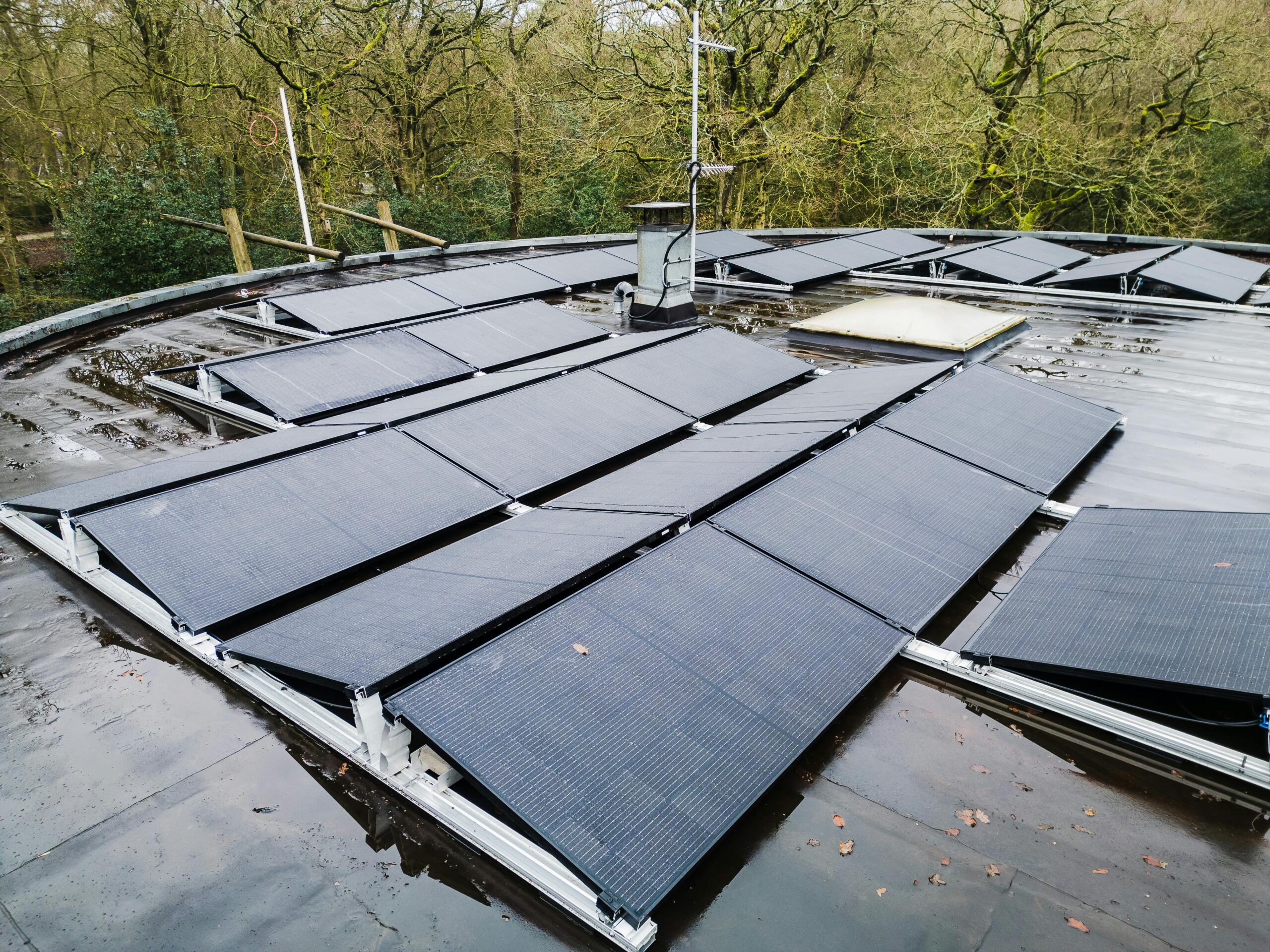
Solar power systems are designed to operate quietly, efficiently, and reliably for decades. However, when something goes wrong, the signs are often subtle at first and easy to ignore. For homeowners and businesses relying on solar energy in perth, identifying performance issues early is critical to protecting long-term savings, system lifespan, and energy independence. This article provides a comprehensive, business-focused breakdown of the most important warning signs that indicate your solar system may not be functioning as it should.
Unexpected Increase in Electricity Bills
One of the earliest and most telling indicators of a solar system issue is a sudden or gradual rise in electricity bills without a change in usage habits.
Why Rising Bills Signal a Problem
A properly functioning solar system should offset a significant portion of grid electricity consumption. If monthly bills begin creeping upward, it may indicate:
- Reduced panel output
- Inverter inefficiency or failure
- Faulty system monitoring
- Grid connection issues
Even small inefficiencies can compound over time, quietly eroding the financial benefits of solar.
Solar Inverter Warning Lights or Error Messages
The inverter is the operational core of any solar system. When it encounters a problem, it often communicates this through warning lights or error codes.
Common Inverter Red Flags
- Solid red or flashing warning lights
- Error messages on the display screen
- Frequent system shutdowns or restarts
Inverters are built with diagnostic features for a reason. Ignoring these alerts can result in prolonged downtime and lost energy production.
Monitoring System Showing Reduced or Zero Output
Modern solar systems typically include monitoring software that tracks daily, monthly, and annual energy production.
What to Watch in Performance Data
- Output significantly lower than historical averages
- Flat-lined production graphs during sunny periods
- No data updates or connection errors
A system producing little or no energy during peak sunlight hours almost always indicates a technical fault that requires professional assessment.
Physical Damage to Solar Panels
Solar panels are built to withstand harsh weather, but they are not indestructible.
Visible Damage That Should Never Be Ignored
- Cracks or fractures in the glass
- Discolouration or burn marks
- Water ingress or fogging under the panel surface
Physical damage directly impacts energy generation and may pose electrical safety risks if left unresolved.
Unusual Noises Coming from the System
Solar systems generally operate silently. Any unexpected sound should be treated as a serious warning sign.
Sounds That Indicate Mechanical or Electrical Issues
- Buzzing or humming near the inverter
- Clicking or popping noises from electrical components
- Fan noise running continuously
These sounds often signal overheating, wiring faults, or internal component stress that can escalate quickly.
System Shutting Down Frequently
Intermittent shutdowns are not normal and usually indicate deeper electrical or environmental problems.
Potential Causes of Frequent Shutdowns
- Overheating due to poor ventilation
- Grid voltage fluctuations
- Failing inverter components
Repeated shutdowns reduce overall energy yield and accelerate wear on system components.
Solar Panels Covered in Dirt, Debris, or Bird Droppings
Performance issues are not always caused by technical failures. Environmental buildup can significantly reduce output.
How Soiling Impacts Performance
- Dust and pollution reduce sunlight absorption
- Bird droppings create shaded “hot spots”
- Leaf debris blocks entire panel sections
In regions with limited rainfall, routine inspection and cleaning are essential to maintain optimal performance.
Breaker Trips or Electrical Faults
A solar system that frequently trips circuit breakers or causes electrical irregularities should be inspected immediately.
Electrical Warning Signs
- Tripped solar isolation switches
- Burning smells near switchboards
- Warm or discoloured wiring
These symptoms may indicate unsafe conditions that require urgent professional attention.
System Age and Declining Performance
Even high-quality systems experience gradual efficiency loss over time.
When Age Becomes a Factor
- Inverters typically last 10–15 years
- Older panels may degrade beyond expected rates
- Outdated components may no longer integrate well with modern grid standards
Performance degradation beyond normal expectations often signals the need for maintenance, upgrades, or component replacement.
Why Early Detection Protects Your Investment
Solar systems represent a long-term financial and environmental commitment. Early detection of faults ensures:
- Maximum energy generation
- Lower long-term repair costs
- Extended system lifespan
- Consistent return on investment
Delaying inspection or maintenance allows minor issues to escalate into costly failures.
Professional Inspection Is Not Optional
A qualified solar technician has the tools, training, and experience to identify faults that are invisible to the untrained eye. Regular inspections and performance reviews ensure your system operates at peak efficiency year-round.
Conclusion: Reliable Solar Starts with Awareness
A solar system that isn’t working properly rarely fails without warning. Rising energy bills, inverter alerts, reduced output, physical damage, and electrical irregularities all point to underlying issues that demand immediate action. For property owners depending on clean, reliable power, recognising these signs early ensures uninterrupted performance, financial stability, and long-term confidence in solar technology.
A well-maintained solar system does not just generate electricity—it safeguards your investment and delivers consistent value for years to come.