


Why, how, and how to maintain a gas safety certificate in Forest Gate in 2026?
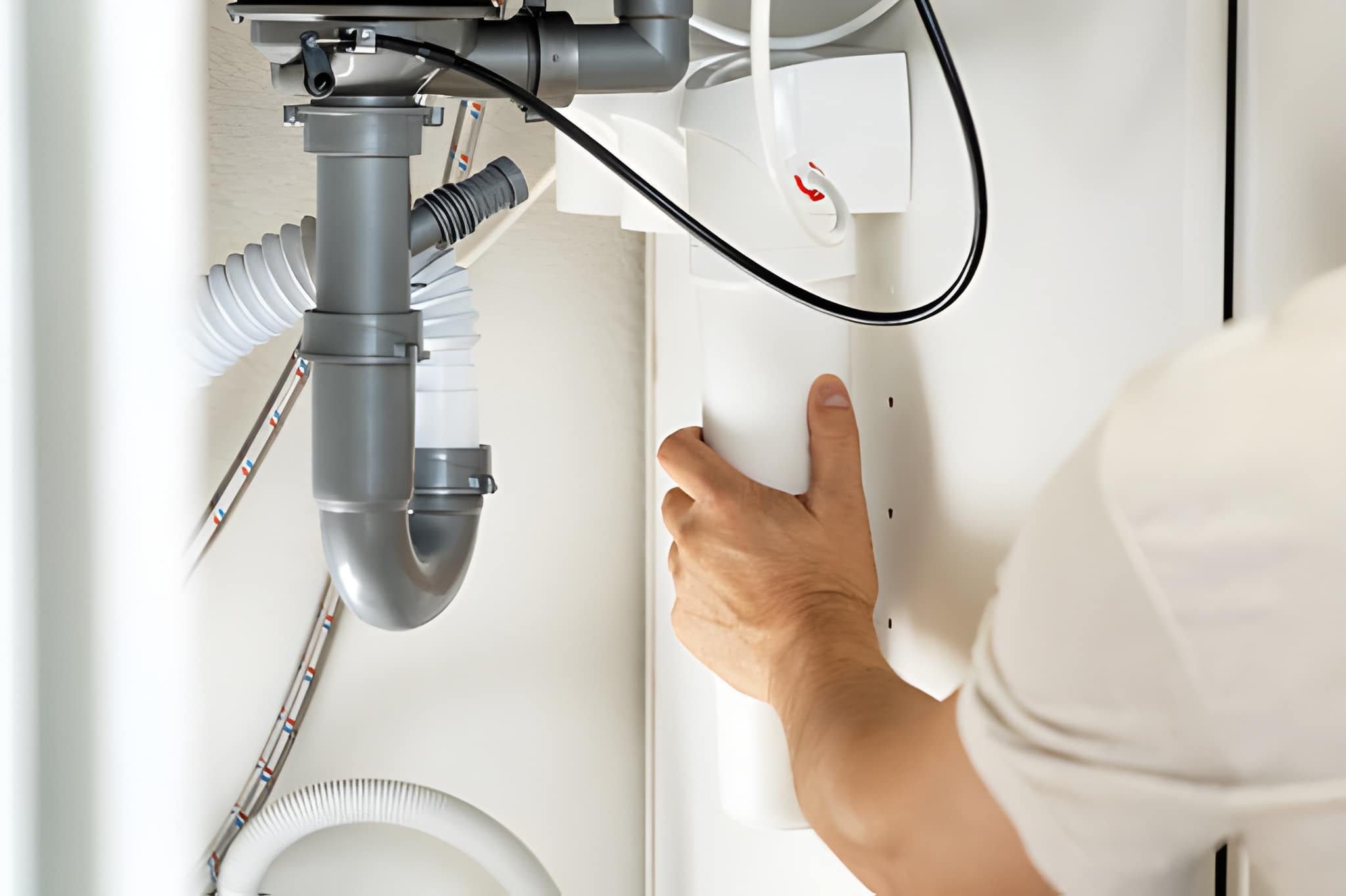
Forest Gate is a well-established East London neighbourhood with a strong rental presence, family housing, and a mix of historic and modern homes. Within this environment, gas safety is a routine but essential responsibility for landlords, homeowners, and managing agents.
A Gas Safety Certificate in Forest Gate confirms that gas appliances and installations within a property have been professionally checked and meet current safety standards.
Why Gas Safety Matters in Forest Gate Properties
Gas safety is not an abstract legal concept; it is about preventing avoidable risks in real homes. Forest Gate contains many Victorian and Edwardian houses, subdivided conversions, and post-war flats. These properties often include older pipework, legacy boiler systems, or altered layouts that require careful inspection.
Annual checks ensure that gas appliances burn efficiently, fumes are properly expelled, and pipework remains secure. In busy rental areas, this helps protect tenants while giving landlords clear documentation that their duty of care has been met.
Legal Responsibilities for Landlords and Agents
Under UK law, landlords must arrange annual gas safety inspections for any gas appliances they provide. The inspection must be completed by a Gas Safe registered engineer, and records must be retained and shared with tenants as required.
While homeowners living in their own properties are not legally obligated to obtain certification, regular inspections are widely recognised as best practice—particularly in older homes common to Forest Gate.
A current Gas Safety Certificate in Forest Gate demonstrates responsible management and helps avoid last-minute compliance issues during tenancy changes.
Common Local Housing Types and Inspection Focus
Period Terraces and Converted Houses
Forest Gate is known for its long streets of period housing, many of which have been converted into flats. Engineers often pay close attention to shared flues, concealed pipework, and ventilation in kitchens or boiler cupboards.
Post-War and Council-Built Flats
These properties may include communal gas systems or older installations that require careful testing. While generally robust, age-related wear can increase the importance of routine checks.
Modern Infill Developments
Newer builds typically feature efficient boilers and modern pipework. However, inspections still verify correct installation, safe combustion, and adequate airflow.
Across all property types, inspections are designed to assess real-world safety rather than theoretical compliance.
What Happens During a Gas Safety Inspection
A gas safety inspection is structured, professional, and typically completed within a short visit. The engineer will:
- Examine gas appliances for safe operation
- Check visible pipework for leaks or deterioration
- Test flues to ensure harmful gases exit the property safely
- Confirm ventilation meets requireds standard
- Record findings clearly, including any advisory notes
If an issue is identified, it is classified according to risk, allowing property owners to respond appropriately without confusion or exaggeration.
Avoiding Delays and Repeat Visits
Certificates are sometimes delayed due to preventable issues rather than serious faults. Common examples include:
Restricted Access
Boilers hidden behind furniture or appliances boxed in without service panels.
Recent Renovations
New kitchens or bathrooms may affect ventilation or flue routes.
Missed Appointments
Tenants unavailable without alternative access arrangements.
Addressing these factors in advance helps ensure inspections proceed smoothly and certificates are issued promptly.
Compliance as a Duty of Care
Gas safety should never be framed as a sales tactic or a source of fear. Instead, it reflects a practical duty of care toward occupants and neighbouring properties. Regular inspections reduce the likelihood of emergencies, support stable tenancies, and contribute to safer housing conditions across the area.
Using a recognised provider such as gassafetycertificateuk.co.uk helps ensure inspections are carried out professionally, with documentation that meets regulatory expectations.
Maintaining a Gas Safety Certificate in Forest Gate also supports clear communication between landlords, tenants, and managing agents, reducing disputes and uncertainty.
Record Keeping and Ongoing Management
Certificates are valid for 12 months from the date of inspection. Landlords should store records securely and schedule renewals in advance rather than waiting until expiry.
Digital records are commonly used and are acceptable provided they include all required details and can be shared when requested. Consistent record keeping simplifies audits, property sales, and portfolio management.
Conclusion
Forest Gate’s housing stock reflects London’s history, diversity, and density. Within this setting, gas safety inspections are a routine but meaningful part of responsible property ownership. They help ensure systems operate safely, risks are identified early, and legal obligations are met without unnecessary stress.
By keeping a valid Gas Safety Certificate in Forest Gate, property owners demonstrate professionalism, compliance, and genuine care for those living in their properties.
Frequently Asked Questions
1. Who is responsible for arranging gas safety checks?
Landlords are responsible for arranging inspections for rental properties. Homeowners may arrange checks voluntarily for added safety.
2. How long does a gas safety inspection usually take?
Most inspections are completed within 30 to 45 minutes, depending on the number of appliances and accessibility.
3. What if an appliance is deemed unsafe?
The engineer will explain the issue clearly and advise whether repairs or replacement are required before certification can be issued.
4. Can inspections be done while tenants are present?
Yes. Inspections are often carried out during tenancy, provided access is arranged in advance.
5. Is one certificate required per appliance or per property?
A single certificate covers all gas appliances and installations within the inspected property.