


Understanding the Pelvic Floor: Strength, Health, and Flexibility with Flexology Studios
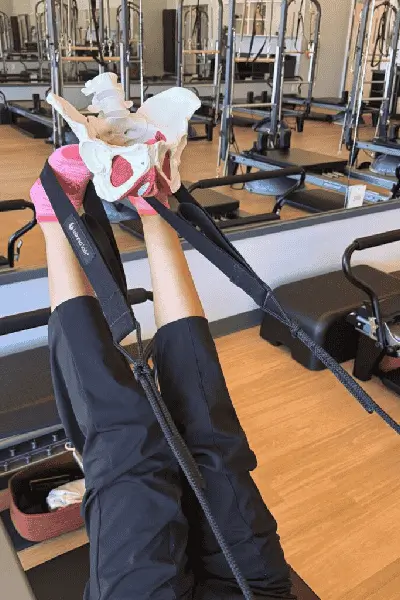
When it comes to overall health, the pelvic floor is often an overlooked area of the body. Yet, it plays a critical role in stability, mobility, and everyday functions like bladder control, posture, and sexual health. At Flexology Studios, we understand the importance of pelvic floor wellness and offer guidance, exercises, and therapies that target this essential group of muscles.
Whether you are recovering from childbirth, managing age-related changes, or seeking enhanced core strength, understanding and caring for your pelvic floor can dramatically improve your quality of life.
What is the Pelvic Floor?
The pelvic floor is a group of muscles, ligaments, and connective tissues that span the bottom of the pelvis. These muscles act like a supportive sling for your bladder, uterus (in women), prostate (in men), and rectum. They help maintain continence, support reproductive organs, and contribute to sexual health.
Think of the pelvic floor as the foundation of a house—the stronger and more balanced it is, the better the rest of your body functions. Weakness or dysfunction in this area can lead to discomfort, pain, and conditions like urinary incontinence, prolapse, and lower back pain.
Common Causes of Pelvic Floor Dysfunction
Pelvic floor dysfunction can affect anyone, regardless of age or gender. Common causes include:
- Pregnancy and Childbirth: Vaginal delivery can stretch and sometimes weaken pelvic floor muscles.
- Aging: As we age, muscles naturally lose strength, including those in the pelvic floor.
- High-impact Exercise: Activities like running or jumping without proper core support can strain the pelvic floor.
- Chronic Straining: Conditions like constipation or frequent heavy lifting can increase pressure on these muscles.
- Surgery or Trauma: Pelvic surgeries, injuries, or prolonged bed rest can affect muscle integrity.
At Flexology Studios, we help identify the root causes of pelvic floor issues and provide tailored strategies to restore strength and balance.
Signs You May Have a Weak Pelvic Floor
Recognizing pelvic floor dysfunction is the first step toward improving it. Some common signs include:
- Frequent urination or urinary leakage
- Constipation or difficulty controlling bowel movements
- Pain during intercourse
- Lower back or hip pain
- Feeling of heaviness or pressure in the pelvic area
If you experience any of these symptoms, addressing pelvic floor health with professional guidance is crucial.
The Benefits of Strengthening the Pelvic Floor
A strong and functional pelvic floor has numerous benefits that extend beyond continence and sexual health. Here’s why it matters:
- Enhanced Core Stability: The pelvic floor works in tandem with the deep abdominal and back muscles to stabilize your core.
- Improved Posture: Strong pelvic muscles help maintain proper spinal alignment.
- Reduced Risk of Injury: Supporting your pelvis and lower back reduces the risk of strains and injuries.
- Better Bladder and Bowel Control: Strengthening these muscles helps prevent incontinence and supports digestive health.
- Increased Sexual Satisfaction: Pelvic floor exercises improve blood flow and muscle tone, enhancing sexual function.
Pelvic Floor Exercises You Can Do
At Flexology Studios, we emphasize functional movement and personalized programs. Here are some foundational exercises to strengthen the pelvic floor:
- Kegel Exercises:
- Contract your pelvic floor muscles as if stopping the flow of urine.
- Hold for 5–10 seconds, then relax.
- Repeat 10–15 times, 2–3 times per day.
- Bridge Pose:
- Lie on your back, knees bent, feet flat on the floor.
- Lift your hips while engaging the pelvic floor and glutes.
- Hold for 5 seconds and slowly lower.
- Squats with Pelvic Engagement:
- Stand with feet shoulder-width apart.
- Lower into a squat while maintaining core and pelvic floor activation.
- Return to standing.
- Bird Dog:
- On hands and knees, extend one arm and the opposite leg while engaging your pelvic floor.
- Hold, then switch sides.
These exercises can be modified depending on your fitness level, pregnancy status, or any existing conditions.
How Flexology Studios Supports Pelvic Floor Health
At Flexology Studios, we take a holistic approach to pelvic floor wellness. Our services include:
- Personalized Assessment: Each client undergoes a thorough evaluation to identify strengths, weaknesses, and imbalances in the pelvic region.
- Targeted Exercise Programs: We design routines that integrate pelvic floor strengthening with core, glutes, and overall body mobility.
- Therapeutic Techniques: Using techniques like myofascial release, stretching, and posture correction, we help alleviate tension and restore function.
- Education and Lifestyle Guidance: We provide practical tips for daily activities, ergonomics, and movement patterns to protect and enhance pelvic health.
Our goal is to empower you with the knowledge and tools to maintain pelvic floor strength for life.
Special Considerations for Women
Women, especially after childbirth or during menopause, are particularly susceptible to pelvic floor issues. At Flexology Studios, we focus on:
- Postpartum Recovery: Gentle, progressive exercises to restore tone and function.
- Pregnancy Support: Techniques to maintain strength and prevent excessive strain.
- Menopause Management: Strategies to address muscle weakening due to hormonal changes.
By tailoring programs to each stage of life, we help women regain confidence, mobility, and comfort.
Special Considerations for Men
Men can also experience pelvic floor dysfunction, often related to prostate health, aging, or high-impact sports. Benefits of strengthening the pelvic floor for men include:
- Improved bladder control
- Enhanced sexual function
- Reduced risk of pelvic pain and injuries
Flexology Studios provides male-specific programs to strengthen and balance the pelvic muscles safely and effectively.
Integrating Pelvic Floor Health into Daily Life
Strengthening the pelvic floor is not just about dedicated exercises—it’s about mindful movement throughout the day:
- Mind Your Posture: Sitting and standing with proper alignment reduces strain on the pelvic muscles.
- Breathe Deeply: Diaphragmatic breathing engages and supports the pelvic floor.
- Lift Safely: When lifting objects, engage the core and pelvic floor simultaneously.
- Avoid Chronic Straining: Address constipation and avoid excessive pressure on the pelvic area.
Small, consistent habits can make a significant difference in pelvic health over time.
Why Flexology Studios is Your Partner in Pelvic Health
The pelvic floor is an integral part of your body’s core system. Neglecting it can lead to discomfort, dysfunction, and reduced quality of life. At Flexology Studios, we are committed to:
- Providing expert guidance tailored to your body and lifestyle
- Creating safe, effective, and progressive programs
- Offering a welcoming and supportive environment for all clients
Your pelvic floor is foundational to movement, stability, and confidence. With the right approach, you can strengthen it, prevent dysfunction, and improve your overall well-being.
Conclusion
Caring for your pelvic floor is essential for maintaining core strength, mobility, and overall health. Whether you are seeking postpartum recovery, managing age-related changes, or simply improving your daily function, investing time in your pelvic floor can have lasting benefits.
At Flexology Studios, we combine expertise, personalized programs, and holistic care to help you achieve a strong, healthy, and functional pelvic floor. Begin your journey today and experience the transformative benefits of proper pelvic floor care.