

Art in Ancient China: How Timeless Creativity Shapes Chinese Culture Today
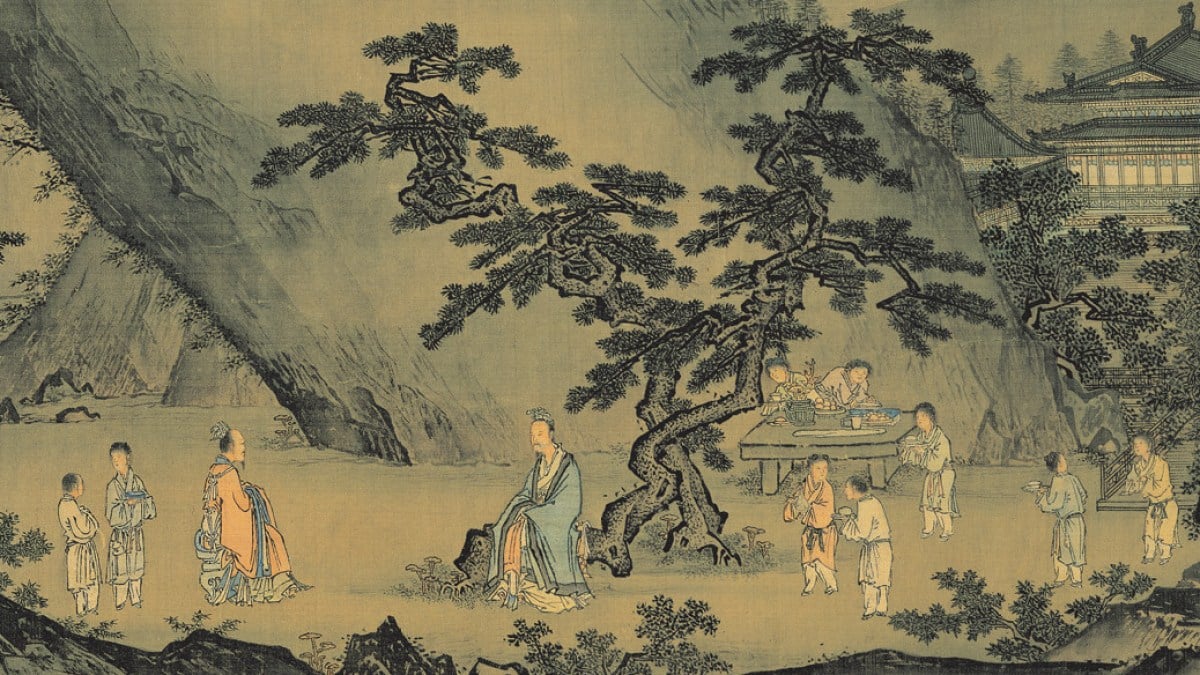
Art in ancient China reflects a long history of ideas, beliefs, and daily life that shaped one of the world’s oldest civilizations. From early pottery to refined calligraphy and ink painting, Chinese art developed alongside philosophy, politics, and social values. Today, platforms like China Art Hub help preserve and share this artistic heritage with a global audience, making ancient traditions accessible to modern learners and collectors.
Ancient Chinese art was closely connected to spiritual and moral thinking. During early dynasties such as the Shang and Zhou, bronze vessels were not only functional objects but also symbols of power and ritual importance. These items often carried inscriptions and decorative patterns that represented respect for ancestors and cosmic order. This early focus on symbolism became a defining feature of Chinese artistic expression.
As time progressed, especially during the Han dynasty, art expanded into painting, sculpture, and architecture. Wall paintings and carved stone reliefs began to record historical events, social activities, and beliefs about the afterlife. This period marked a shift where art was used not only for ritual purposes but also for storytelling and documentation. These visual records are now key sources for understanding life in ancient China.
Calligraphy holds a special place in the story of art in ancient China. More than a writing system, calligraphy was viewed as a reflection of a person’s character, discipline, and education. Scholars practiced calligraphy as a lifelong skill, believing that brush movement expressed inner balance and moral strength. This tradition continues today and remains a central focus at China Art Hub through educational content and curated art collections.
Ink wash painting, often associated with scholars and poets, further shows how ancient Chinese art valued simplicity and meaning over realism. Artists used minimal brushstrokes to capture landscapes, nature, and human emotions. Mountains, rivers, and empty spaces were not random choices; they symbolized harmony between humans and nature. This approach influenced Chinese aesthetics for centuries and still inspires artists worldwide.
China Art Hub plays an important role in connecting this ancient legacy with present-day audiences. By offering detailed guides, authentic art supplies, and cultural insights, the platform supports learners who want to understand traditional Chinese art beyond surface-level appreciation. Whether someone is studying brush techniques or exploring historical context, China Art Hub provides resources rooted in authenticity and cultural respect.
In conclusion, art in ancient China is not just a historical subject but a living tradition that continues to influence creativity, philosophy, and education. Through careful preservation and modern presentation, China Art Hub ensures that these ancient artistic values remain relevant, helping people worldwide explore and appreciate the depth of Chinese art and culture.