

Power Cable Solutions for Modern Power Infrastructure: A Technical Guide for Engineers & Procurement Buyers
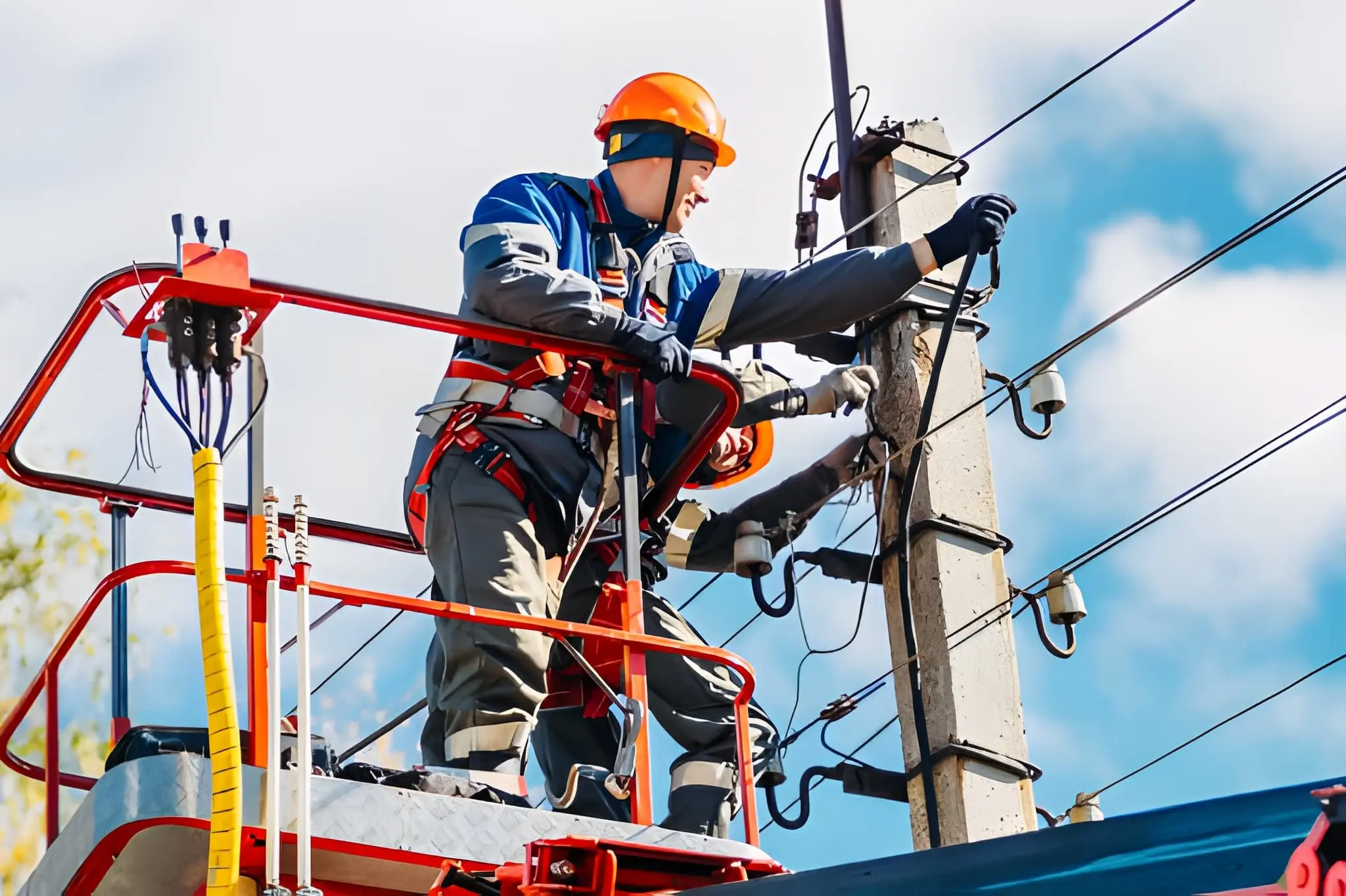
Power cable systems are the backbone of reliable electrical transmission and distribution across utilities, industrial facilities, and infrastructure projects. For engineers and procurement buyers, selecting the right power cable is not only a matter of compliance, but also long-term performance, safety, and cost efficiency. This guide explores key technical considerations and how a trusted manufacturer like HNBF Power supports modern grid and industrial requirements.
Understanding Power Cable Applications in Utility & Industrial Projects
A power cable is designed to transmit electrical energy safely and efficiently under specific voltage, load, and environmental conditions. In transmission and distribution networks, power cables are used for:
- Utility substations and feeder lines
- Industrial plants and manufacturing facilities
- Commercial buildings and infrastructure projects
- Renewable energy and grid expansion projects
Choosing the correct cable type directly impacts system reliability and maintenance costs.
Key Types of Power Cables Used in the Industry
Low Voltage (LV) Power Cables
LV power cables are commonly used for internal distribution within industrial plants, commercial buildings, and utility secondary networks. They are designed for durability, flexibility, and consistent electrical performance.
Overhead and Aerial Power Conductors
For overhead transmission and distribution, conductors such as AAC, AAAC, ACSR, and ABC cables are widely used. These solutions offer high mechanical strength, corrosion resistance, and optimal conductivity for long-span installations.
Concentric and Specialty Power Cables
Concentric cables are often used in underground distribution systems where safety, grounding, and compact design are critical. These cables are engineered to meet strict utility standards and installation requirements.
Technical Factors Engineers Consider When Selecting a Power Cable
Electrical Performance
Current-carrying capacity, voltage rating, and conductor material are primary considerations. Aluminum-based conductors are widely preferred for their balance of conductivity, weight, and cost efficiency.
Mechanical Strength & Environmental Resistance
Power cables must withstand mechanical stress, temperature variations, UV exposure, and corrosion. This is especially critical for overhead and outdoor installations.
Compliance & Standards
Engineers and buyers must ensure that power cables comply with international standards such as IEC, ASTM, BS, and utility-specific specifications.
Why Procurement Buyers Choose HNBF Power
HNBF Power is a global manufacturer specializing in overhead conductors and power cables, including AAC, AAAC, ACSR, ABC, LV power cable, and concentric cable solutions. The company supports utilities, EPC contractors, and industrial buyers with:
- Consistent quality control and material traceability
- Manufacturing aligned with international standards
- Scalable production for large transmission and distribution projects
- Technical support for specification matching and tender requirements
By working closely with engineering and procurement teams, HNBF Power ensures each power cable solution aligns with project performance and budget goals.
Power Cable Manufacturing Focused on Long-Term Reliability
Modern power infrastructure demands cables that deliver stable performance over decades. Precision stranding, controlled insulation processes, and rigorous testing are essential to minimize power losses and reduce maintenance risks. HNBF Power integrates these principles into its manufacturing process to support long-term grid reliability.
Frequently Asked Questions (FAQs)
1. What is the difference between AAC, AAAC, and ACSR power conductors?
AAC offers high conductivity, AAAC provides better corrosion resistance, and ACSR delivers higher tensile strength using a steel core, making it suitable for long spans.
2. How do I choose the right power cable for my project?
Selection depends on voltage level, load requirements, installation environment, and applicable standards. Technical consultation is recommended for large projects.
3. Are aluminum power cables reliable for utility applications?
Yes. Aluminum power cables are widely used worldwide due to their excellent conductivity-to-weight ratio and cost efficiency.
4. Can power cables be customized for specific utility standards?
Yes. Manufacturers like HNBF Power provide customized designs to meet utility, regional, and project-specific specifications.
Partner with HNBF Power for Reliable Power Cable Solutions
Selecting the right power cable is a critical decision for engineers and procurement professionals involved in transmission and distribution projects. With proven manufacturing expertise and a comprehensive product portfolio, HNBF Power delivers dependable, standards-compliant power cable solutions for global infrastructure needs.
Contact HNBF Power today to discuss your project requirements and receive customized power cable solutions tailored to your technical and procurement goals.