What Makes High Light Transmittance So Important for Modern Greenhouses?
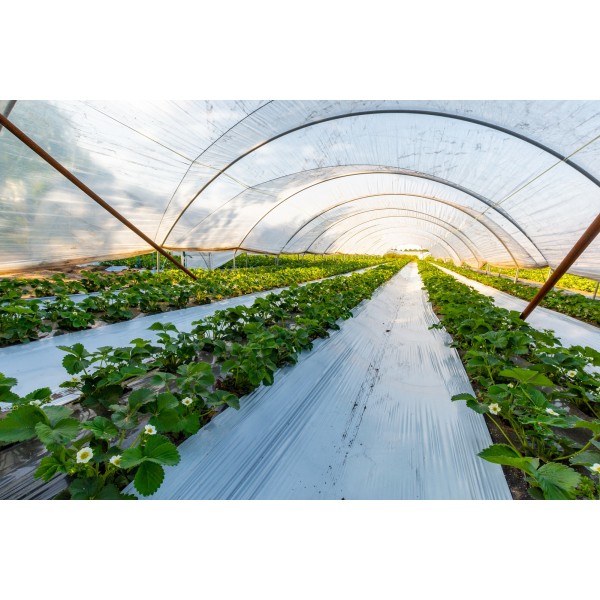
High light transmittance is one of the most essential factors that determine how effectively a greenhouse supports plant growth, crop productivity, and year-round cultivation, and understanding its importance helps growers make better decisions about the type of plastic covering they choose for their structures. When a greenhouse cover offers high light transmittance it allows a greater amount of natural sunlight to enter through the material, ensuring that plants receive the full spectrum of light they need for photosynthesis, flower development, and fruit production without relying too heavily on artificial lighting systems that increase operational costs. In regions with naturally bright conditions growers need a cover that can filter and soften light without blocking critical intensity and in areas with lower sunlight hours the ability to maximize every bit of sunlight becomes even more essential. This is why many greenhouse owners turn to advanced plastic films designed with clarity, UV stabilization, and condensation control because these materials help achieve the highest possible clarity while still maintaining durability and long-term performance for commercial crop production or home gardening success.
How Does High Light Transmittance Improve Crop Growth in Greenhouses?
When growers choose materials that prioritize high light transmittance they create an environment where plants can thrive with stronger stems, healthier foliage, and faster development because sunlight is the primary energy source for nearly every growth process taking place inside the structure. When light enters a greenhouse efficiently it stimulates photosynthesis at an optimal rate allowing plants to convert sunlight into usable energy more effectively which leads to increased biomass, faster vegetative growth, and healthier root systems that can support robust fruit and flower production throughout the growing season. High light transmittance also ensures more uniform lighting inside the greenhouse so every row and bed receives even energy which helps prevent issues like legginess, weak stems, or inconsistent yields that often arise when light levels vary from one corner of the structure to another. By optimizing sunlight entry growers can reduce their dependence on grow lights while still maintaining premium quality results especially when cultivating light-loving crops such as tomatoes, peppers, cucumbers, lettuce, berries, and herbs which perform best in bright, evenly lit environments that replicate natural outdoor growing conditions.
Why Should Greenhouse Plastic Be Designed for High Light Transmittance?
The modern greenhouse industry relies heavily on specialized coverings made from agricultural-grade plastic because these materials combine clarity, flexibility, affordability, and durability all in one product and the feature that matters most within these films is their high light transmittance capability. When a greenhouse film is engineered specifically for improved clarity it allows growers to take full advantage of natural sunlight without facing the challenges associated with older or low-quality materials that tend to yellow, crack, or accumulate haze over time. Today’s advanced greenhouse plastics are designed with UV inhibitors that protect the film from sun damage, ensuring that the material remains clear, functional, and highly light-transmissive for several seasons even in harsh climates or intense sunlight regions. A greenhouse cover with high light transmittance not only improves the internal environment but also offers energy efficiency because growers can achieve strong plant performance without constantly supplementing with artificial light. The combination of durability and clarity makes specialized greenhouse plastic a preferred option for both small hobby growers and large commercial operations looking for dependable long-term performance.
How Does High Light Transmittance Contribute to Energy Efficiency?
Growers who prioritize high light transmittance in their greenhouse covering can benefit significantly from reduced energy costs because they rely less on electric grow lights, heating systems, and climate control equipment throughout the year. When more natural sunlight penetrates the structure it generates passive heat which helps warm the greenhouse interior during colder seasons or cool nights reducing the workload on heaters and decreasing the overall cost of maintaining ideal temperatures for plant health. Efficient sunlight entry also creates a more stable environment which means the greenhouse requires fewer equipment adjustments throughout the day, improving energy efficiency and reducing reliance on mechanical systems. In commercial settings these savings add up quickly because maintaining a greenhouse requires constant power consumption, but the use of a high light transmittance plastic film aligns with modern sustainability goals by lowering operational expenses while promoting eco friendly growing practices. For homeowners and small growers it provides a simple yet effective way to enhance their gardening results without adding ongoing costs or complicated systems.
What Role Does High Light Transmittance Play in Plant Quality and Yield?
When plants receive consistent light through a greenhouse cover that delivers high light transmittance they tend to produce stronger yields, more vibrant colors, and better fruiting performance compared to crops grown under dim or obstructed lighting conditions. The quality of light affects everything from leaf size to fruit sweetness, so maximizing sunlight intake helps improve flavor, texture, nutrient content, and overall appearance which is especially important for growers supplying local markets or home gardeners looking for the best possible results from their efforts. Proper light levels also support stronger flowering cycles which directly influence yield in crops like tomatoes, peppers, melons, strawberries, and other fruiting plants that require intense and consistent light for full production. When plants grow in an environment powered by high light transmittance they respond naturally with healthier development, better disease resistance, and more predictable harvest patterns, allowing growers to plan their seasonal cycles more effectively and achieve consistent performance across multiple growing seasons.
How Does High Light Transmittance Enhance Greenhouse Climate Control?
Climate control is a major concern for greenhouse operations and the ability of a covering material to achieve high light transmittance directly influences temperature balance, humidity levels, and condensation management inside the structure. When sunlight enters at full strength it warms the greenhouse naturally which helps stabilize internal temperatures and reduces fluctuations that can stress plants, especially young seedlings or temperature-sensitive varieties. High light transmittance also supports stronger airflow patterns because warm air rises more consistently within the structure, promoting better ventilation and reducing the risk of mold, mildew, or excess humidity buildup. Additionally greenhouse plastics designed for maximum clarity often include anti condensation technologies that prevent water droplets from forming on the surface of the film which helps maintain light quality and prevents shadows or blocked light streaks. This creates a more controlled, efficient environment where plants grow in comfort and stability all year long.
Is High Light Transmittance the Future of Greenhouse Plastic Technology?
As greenhouse farming continues to expand and growers look for more advanced ways to improve their productivity, high light transmittance is becoming one of the most sought-after characteristics in greenhouse plastic technology because it supports sustainability, efficiency, and modern agricultural demands. Manufacturers are developing new materials with improved clarity, longer UV protection lifespans, and condensation-control capabilities that keep light levels as consistent as possible even after years of exposure to sun and weather. With these innovations growers can maintain a clearer, brighter greenhouse environment with less maintenance and lower long term costs. The trend toward maximizing natural sunlight also aligns with global goals to reduce energy use and operate more environmentally friendly farms, making high light transmittance not only a practical choice but also a future forward investment for anyone involved in agriculture or home gardening.