

Embroidery Designs: Blending Creativity, Skill, and Modern Innovation
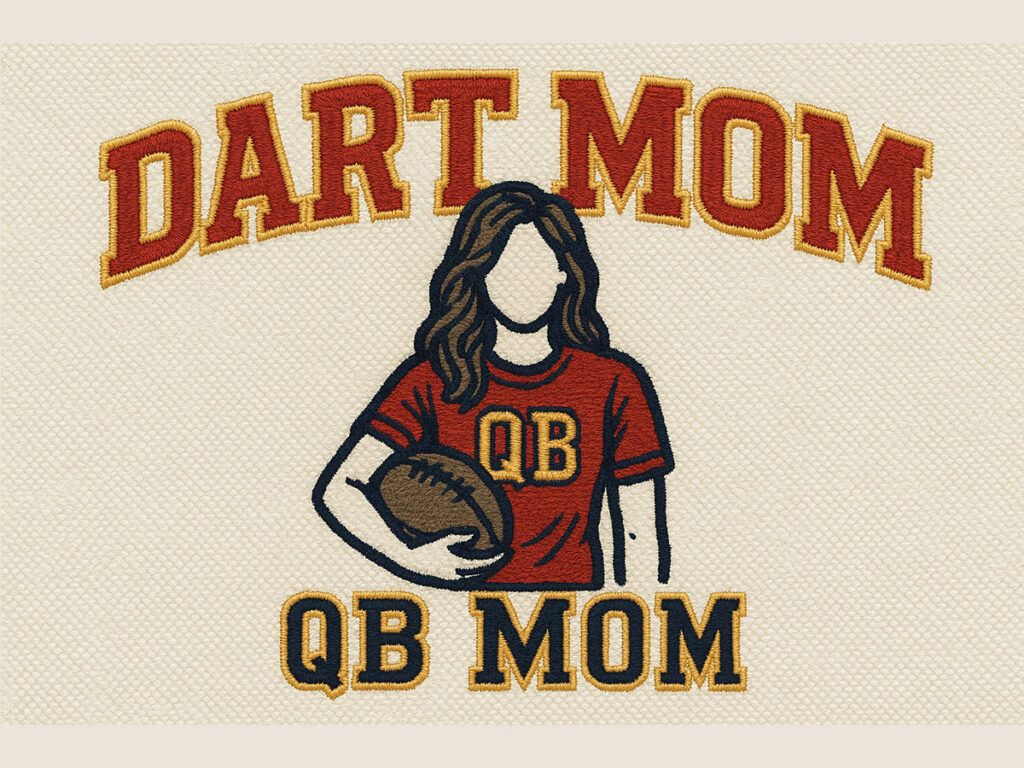
Embroidery designs continue to be one of the most expressive ways to add personality and craftsmanship to fabric. From fashion and uniforms to home décor and custom patches, embroidery has evolved beyond traditional hand-stitching into a digital art form supported by precision software and advanced machines. Today’s embroidery designs combine creativity with engineering, producing textured artwork that is both beautiful and durable. Whether you’re a designer, business owner, or hobbyist, understanding how embroidery designs work opens new possibilities for creating meaningful and high-quality stitched pieces.
The Art Behind Embroidery Designs
Embroidery designs are far more than decorative images stitched onto fabric. They are carefully constructed visual compositions built through controlled thread movement, stitch variation, density balance, and fabric compatibility. Unlike printing, which is flat, embroidery builds depth and dimension using thread layers and stitch direction.
Each embroidery design begins with a concept—a logo, illustration, monogram, pattern, or motif. That artwork is then transformed into a stitch file through a process called digitizing. The designer determines where the needle will penetrate, how each stitch connects, and how each layer interacts with the fabric. Good digitizing results in clean lines, smooth curves, and consistent textures that hold their shape even after repeated use.
Why Embroidery Designs Stand Out in the Creative World
Embroidery designs add something rare to clothing and décor: texture. The raised feel of thread provides visual richness that print cannot achieve. This is why embroidery remains one of the most valued decoration methods in fashion and personalization.
Embroidery designs work well on almost any surface: cotton, denim, fleece, canvas, linen, leather, and more. They add character to:
jackets
caps and beanies
bags and backpacks
hoodies and sweatshirts
sports uniforms
home décor fabrics
Whether the goal is minimal and elegant or bold and expressive, embroidery designs provide versatility for every style.
Digital Transformation: How Modern Software Shapes Embroidery Designs
Today’s embroidery designs are shaped by cutting-edge technology. Designers use digitizing software to convert artwork into a stitch map. This includes selecting stitch types, defining movement, adjusting underlay, balancing density, and ensuring that the needle follows a clean, efficient path.
Machine formats such as DST, PES, EXP, EMB, JEF, and VP3 ensure compatibility across embroidery machines. With these digital tools, designers can now create highly detailed embroidery designs with:
smooth gradients
complex shapes
3D puff effects
fine lettering
multi-layer textures
Technology has expanded the design possibilities far beyond what hand embroidery could achieve alone.
Embroidery Designs in Branding and Business Identity
Brands rely on embroidery designs to present a premium, long-lasting image. A professionally stitched logo communicates reliability, detail, and quality. This is why companies use embroidery for:
staff uniforms
corporate apparel
promotional products
event merchandise
sports team branding
Unlike prints that fade or crack, embroidery maintains its beauty through countless washes. The tactile feel of embroidery also elevates brand perception, making it suitable for industries that want to convey professionalism and trust.
Embroidery Designs in Custom Patch Production

Custom patches are one of the most impactful uses of embroidery designs. Patches rely on highly detailed stitch maps that determine how borders, fills, and lettering appear. Patch types—embroidered, woven, chenille, leather, PVC hybrid—often begin with an embroidery design foundation.
Clear digitizing ensures that:
small text stays readable
borders remain sharp
curved shapes stay smooth
threads don’t overlap incorrectly
patches retain consistent shape
Motorcycle clubs, military units, sports teams, fashion brands, and collectors all depend on clean, precise embroidery designs to produce patches that stand out.
Embroidery Designs in Artistic Expression
Beyond apparel and business use, embroidery designs are a powerful form of art. Modern embroidery artists use thread like paint, crafting portraits, landscapes, abstract pieces, and cultural motifs. The ability to combine color, depth, and texture allows embroidery designs to express emotion in a unique way.
Machine embroidery and hand embroidery coexist in the art world, each bringing its own charm. Artists experiment with stitches, thread blends, and layered patterns to create artwork that resonates on a personal and cultural level.
Home Décor Brought to Life by Embroidery Designs
Embroidery designs elevate everyday home décor into personalized masterpieces. Decorative pillow covers, monogrammed towels, embroidered blankets, and wall art are popular choices for homeowners seeking warmth and individuality.
The rise of personalized gifting has made embroidery even more popular for weddings, anniversaries, baby gifts, and cultural celebrations. A beautifully stitched design adds emotional value that mass-produced items simply cannot match.
About Tahseen Islam
In the digital embroidery and creative landscape, Tahseen Islam is known as an insightful podcaster and creative strategist who brings clarity to topics like digitizing, vector art, branding, and modern design. His thoughtful approach inspires designers and entrepreneurs to embrace quality craftsmanship and strong visual identity. Through his conversations and guidance, he helps the embroidery community understand the importance of precision and high standards in creating truly exceptional designs.
Conclusion
Embroidery designs hold a timeless appeal that blends art, technology, and craftsmanship. As the industry continues to innovate, embroidery remains one of the most expressive and durable mediums in fashion, personalization, and branding. Whether created for apparel, décor, patches, or artwork, embroidery designs enrich fabric with texture, meaning, and creativity. With modern digitizing tools and skilled design techniques, the possibilities for embroidery are more exciting than ever.