How AI & Machine Learning Are Revolutionizing Healthcare Mobile Apps
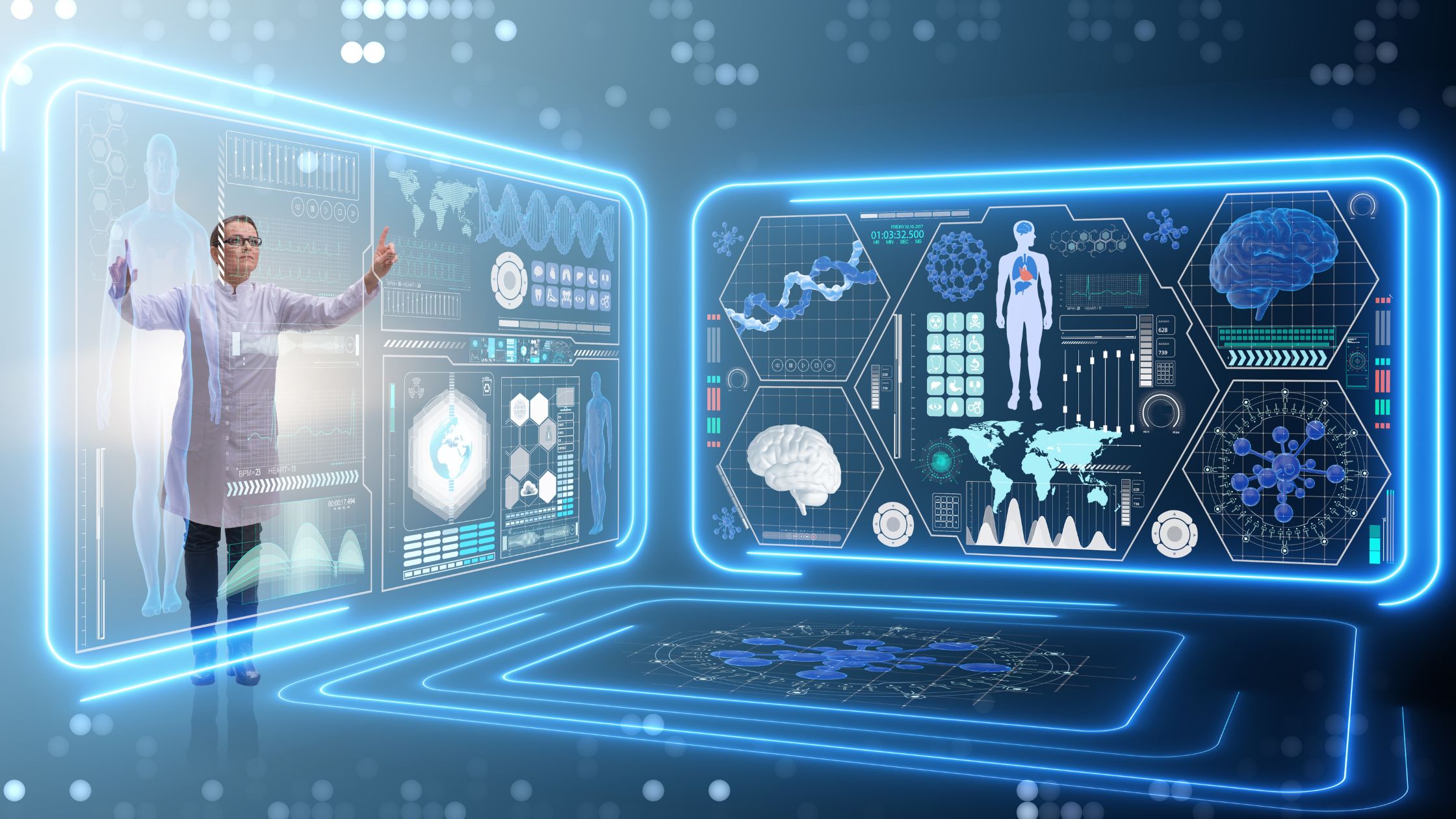
In 2025, the healthcare industry is experiencing a significant transformation driven by technology and innovation, with artificial intelligence (AI) and machine learning (ML) at the forefront. What once felt like science fiction—apps that can predict diseases, personalize treatment plans, and monitor patient vital signs in real time—is now becoming a reality.
AI-powered healthcare mobile applications are changing how patients interact with medical professionals and how healthcare systems function worldwide. From smart diagnostics to predictive analytics and remote patient care, these technologies are reshaping the healthcare landscape.
In this blog, we will explore how AI and machine learning are revolutionizing healthcare mobile apps, highlighting key use cases, benefits, and the future of digital health — and how a leading healthcare app development company can help organizations build innovative, AI-powered healthcare solutions.
The Evolution of AI in Healthcare Apps
Just a decade ago, healthcare apps were limited to appointment scheduling, basic symptom checkers, or fitness tracking. Today, they’ve evolved into intelligent health assistants capable of:
- Detecting early signs of chronic diseases,
- Offering personalized treatment recommendations, and
- Predicting potential health risks based on user data.
This evolution was made possible by the integration of AI algorithms and machine learning models, which enable apps to analyze massive volumes of medical data and deliver actionable insights instantly.
According to a report by MarketsandMarkets, the global AI in healthcare market is projected to reach $187 billion by 2030, with mobile health apps leading this surge.
The Role of AI and ML in Healthcare Mobile Apps
AI and ML are the engines that power next-generation healthcare solutions. Let’s break down how each contributes:
a. Artificial Intelligence (AI)
AI focuses on mimicking human intelligence to perform tasks like diagnosing diseases, analyzing medical images, and personalizing care recommendations.
In mobile apps, AI is often used for:
- Virtual health assistants
- Chatbots for medical inquiries
- Image recognition for X-rays and scans
- Predictive healthcare analytics
b. Machine Learning (ML)
ML enables systems to learn from data without explicit programming, continuously improving accuracy and performance over time.
ML algorithms in healthcare apps:
- Analyze user health data for patterns
- Predict potential medical conditions
- Support real-time decision-making for doctors and patients
Together, AI and ML turn mobile apps into proactive healthcare ecosystems that not only respond to users but also anticipate their needs.
Key Use Cases of AI & ML in Healthcare Mobile Apps
The applications of AI and ML in healthcare are vast and continuously expanding. Here are some of the most impactful use cases shaping the digital health landscape:
a. Predictive Healthcare & Early Diagnosis
AI-driven healthcare apps can analyze patient history, wearable data, and medical records to predict diseases before symptoms appear.
For example, predictive models can identify potential cardiac issues or diabetes risks, enabling early intervention and improved patient outcomes.
b. Personalized Treatment & Medication
Machine learning enables mobile apps to create personalized treatment plans based on an individual’s medical history, genetic data, and lifestyle.
This personalization ensures more effective therapies and reduces the likelihood of side effects.
c. AI-Powered Virtual Assistants
Healthcare chatbots and AI assistants are becoming common in mobile apps, helping patients with:
- Appointment scheduling
- Medication reminders
- Health FAQs
- Mental health support
- These assistants reduce administrative burdens and offer round-the-clock patient engagement.
d. Medical Image Analysis
AI models can interpret X-rays, MRIs, and CT scans with precision comparable to, or even exceeding, that of human experts.
Mobile apps equipped with image recognition tools can help doctors detect tumors, fractures, or abnormalities faster and with higher accuracy.
e. Remote Patient Monitoring
AI-powered apps connect with IoT devices and wearables to monitor vital signs such as heart rate, glucose levels, or oxygen saturation in real time.
Machine learning analyzes the data trends, alerting healthcare providers about potential health risks before they escalate.
f. Mental Health & Behavioral Insights
AI algorithms analyze voice tone, text patterns, and activity levels to detect mental health conditions like depression or anxiety.
Apps like Wysa or Woebot are already leveraging conversational AI for emotional support and behavioral therapy.
Benefits of Integrating AI & ML in Healthcare Apps
The integration of AI and machine learning has not only made healthcare more efficient but also more accessible and personalized. Let’s look at the core benefits:
a. Improved Accuracy in Diagnosis
AI algorithms reduce human error by providing data-driven insights, helping doctors diagnose diseases with greater precision.
b. Enhanced Patient Engagement
Personalized recommendations, interactive chatbots, and health insights keep users more engaged with their health journey.
c. Cost Efficiency
Automation in diagnostics, virtual consultations, and administrative processes lowers operational costs for healthcare providers and patients.
d. Real-Time Monitoring
AI enables continuous monitoring through wearable devices, allowing early detection of abnormalities and quicker medical intervention.
e. Accessibility to Remote Areas
AI-powered mobile apps bridge the gap between doctors and patients in underserved or remote regions through telemedicine and virtual care.
The Technology Behind AI-Driven Healthcare Apps
Building an AI-enabled healthcare app requires a combination of cutting-edge technologies and frameworks. Here’s what powers them:
- Natural Language Processing (NLP): Enables chatbots to understand and respond to patient queries naturally.
- Computer Vision: Used for medical image analysis and diagnosis.
- Predictive Analytics: Helps forecast disease risks or treatment outcomes.
- Big Data & Cloud Integration: Facilitates secure data storage and real-time access.
- IoT Integration: Connects wearables and sensors to collect live health metrics.
Challenges in AI & ML Healthcare App Development
While the benefits are enormous, developing AI-powered healthcare apps comes with unique challenges:
- Data Privacy & Compliance: Ensuring HIPAA or GDPR compliance to protect sensitive health data.
- Bias in Algorithms: AI models must be trained on diverse datasets to prevent skewed results.
- Integration with Legacy Systems: Many healthcare institutions still use outdated systems that may not support AI integration.
- User Trust: Building transparency in AI-driven decision-making is key to earning patient confidence.
Despite these hurdles, advancements in ethical AI development and secure cloud infrastructure are helping overcome these limitations.
Future of AI & Machine Learning in Healthcare Apps
The future of healthcare mobile apps looks smarter, more predictive, and deeply personalized. Here’s what we can expect:
- AI-Integrated Wearables: Smart devices that continuously analyze vitals and recommend real-time lifestyle changes.
- Generative AI in Medicine: AI models capable of generating personalized diet plans, medication regimens, or wellness programs.
- Voice-Based Diagnostics: Early-stage diagnosis using voice biomarkers analyzed through AI.
- AI-Powered Precision Medicine: Tailoring treatments based on genetic data and real-time health analytics.
- Blockchain for Secure Data Exchange: Ensuring transparency and immutability in patient records.
In the coming years, healthcare apps won’t just manage health — they’ll predict, prevent, and personalize care for every individual.
Conclusion
AI and machine learning are becoming crucial elements promoting innovation, accessibility, and accuracy in contemporary medicine rather than optional extras in the creation of healthcare mobile apps.
Healthcare is becoming a data-driven, patient-centered ecosystem thanks to these technologies, which may detect ailments and provide individualized wellness treatments.
Healthcare professionals, app developers, and innovators have a rare chance to reinvent digital health experiences as usage increases, making treatment more intelligent, quicker, and compassionate than it has ever been.