
Solar Panel Installation Perth: A Step-by-Step Guide to Your First Solar Setup
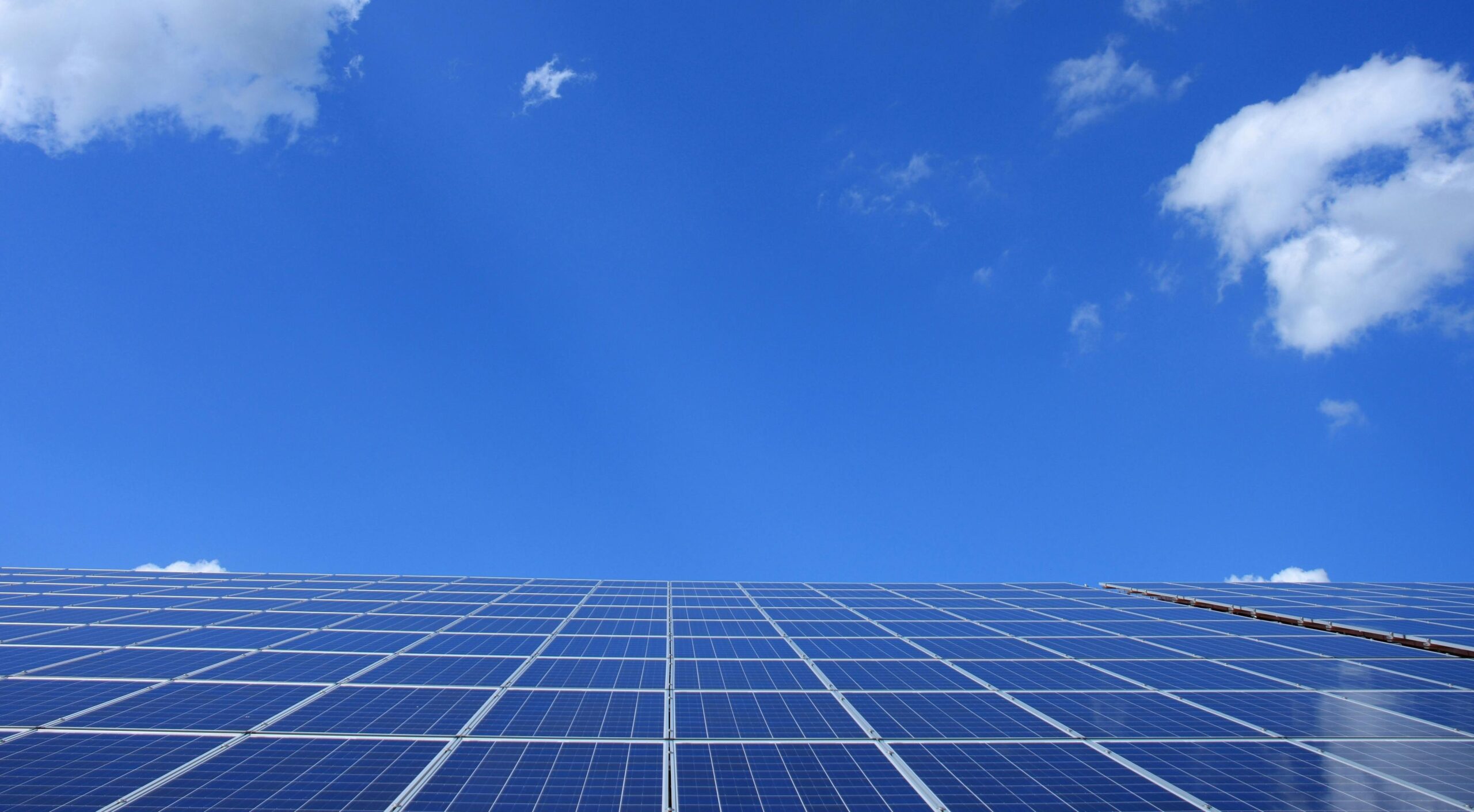
Embarking on your journey into solar energy in Perth opens doors to sustainable living and significant cost savings amid the city’s abundant sunshine and rising electricity rates. With over 3,000 hours of sunlight annually, Perth residents are perfectly positioned to harness clean power through solar panel installations. This comprehensive guide walks you through every phase of setting up your first solar system, from initial planning to long-term maintenance. Whether you’re a homeowner in Subiaco eyeing rooftop panels or a business owner in Fremantle seeking commercial solutions, these steps ensure a seamless transition to renewable energy. By following this roadmap, you’ll not only reduce your carbon footprint but also qualify for the latest 2025 incentives, making solar panel installation Perth more accessible than ever.
Understanding the Basics of Solar Panel Systems in Perth
Before diving into installation, grasp the fundamentals of how solar panels convert sunlight into usable electricity. Photovoltaic (PV) panels, the heart of any system, absorb photons from Perth’s intense UV rays and generate direct current (DC) electricity. An inverter then transforms this into alternating current (AC) for your home appliances. In Perth’s Mediterranean climate, with hot summers and mild winters, these systems thrive, producing up to 4-5 kWh per kW installed daily.
Key components include solar panels, inverters, mounting racks, and wiring. For a typical 6.6kW residential setup—ideal for average Perth households consuming 20-25kWh daily—expect panels covering about 30-40 square meters of roof space. Modern monocrystalline panels, with efficiencies exceeding 20%, outperform older polycrystalline models in Perth’s variable shading from eucalyptus trees or coastal winds. Always opt for CEC-approved (Clean Energy Council) products to access federal rebates under the Small-scale Renewable Energy Scheme (SRES), which in 2025 offers up to $1,000 per kW in STCs (Small-scale Technology Certificates).
Assess your energy needs first: Review past Synergy bills to calculate peak usage during Perth’s scorching January afternoons. Tools like the PVWatts calculator from NREL can model output based on your postcode, factoring in local irradiance levels around 5.5 kWh/m²/day. This step prevents oversizing, which inflates costs, or undersizing, which leaves bills high.
Assessing Your Property for Solar Panel Installation Perth
Site evaluation is the cornerstone of a successful solar setup. Begin with a professional solar assessment, often free from accredited installers in Perth. An expert will inspect your roof’s pitch—ideally 15-30 degrees for optimal tilt—and orientation. North-facing roofs in Perth capture maximum solar exposure, yielding 10-15% more energy than east-west facades.
Consider structural integrity: Older homes in areas like Nedlands may need reinforcement for panel weight (15-20kg per panel). Shading analysis using tools like Solmetric SunEye reveals obstructions from chimneys, neighboring buildings, or overhanging branches, which can slash output by 20-30%. In Perth’s coastal zones, such as Scarborough, salt-laden winds demand corrosion-resistant aluminum frames and marine-grade seals.
Electrical audits are crucial too. Your switchboard must handle backfeeding from the inverter without upgrades, costing $500-$2,000. For off-grid aspirations in rural Perth outskirts like Mundaring, hybrid inverters with battery compatibility become essential. Document everything: Photos, roof diagrams, and energy audits form your baseline for financing and approvals.
Choosing the Right Solar Panels and Equipment for Perth Homes
Selecting equipment tailored to Perth’s conditions ensures longevity and efficiency. Prioritize high-efficiency panels from brands like SunPower or REC, rated for 25-30 year warranties against Perth’s harsh UV degradation. Bifacial panels, capturing light on both sides, excel in reflective environments like tiled roofs common in Leederville.
Inverter choices split between string inverters (cost-effective for unshaded roofs) and microinverters (per-panel optimization for partial shade in garden-heavy suburbs like Claremont). In 2025, DC-optimized systems from SolarEdge reduce losses by 5-10%, ideal for Perth’s fluctuating cloud cover.
Don’t overlook batteries: With Tesla Powerwall or Enphase IQ models, store excess daytime generation for evening use, dodging peak tariffs of 30-40 cents/kWh. Perth’s feed-in tariffs, hovering at 2-8 cents/kWh via Western Power, make storage a smart add-on for energy independence. Budget $10,000-$15,000 for a 13.5kWh battery, offset by the Cheaper Home Batteries Program offering 20% rebates.
Compare quotes from at least three Clean Energy Council members using platforms like SolarQuotes. Factor in total lifecycle costs: A premium 10kW system at $12,000-$18,000 post-rebates pays back in 4-6 years through $1,500 annual savings.
Navigating Permits, Rebates, and Financing for Solar in Perth
Regulatory hurdles in Perth are straightforward but essential. Submit a DA (Development Application) via your local council—Perth City or Town of Cambridge—for systems over 10kW or visible alterations. Western Power’s embedded generator connection process requires Form G99 submission, approving grid tie-in within 10-15 business days.
Rebates streamline affordability: The federal SRES delivers instant discounts via STCs, while WA’s Energy Efficiency Smart Homes program adds $500-$1,000 for low-income households. In 2025, emerging hydrogen-linked incentives from Synergy boost commercial installs in industrial hubs like Kwinana.
Financing options abound: Zero-interest Green Loans from banks like NAB cover 50-100% upfront, repaid via bill credits. Lease models from SunLease allow $0 down, with fixed monthly payments undercutting utility rates. For businesses in Perth CBD, ATO deductions under Instant Asset Write-Off accelerate ROI.
Engage a solar broker early to crunch numbers, ensuring your net cost aligns with projected 25-year savings exceeding $40,000.
The Step-by-Step Solar Installation Process in Perth
Installation day arrives after approvals. Day 1: Scaffolding and roof prep. Teams secure racking with stainless steel bolts, drilling minimally to preserve waterproofing—critical in Perth’s rare but intense winter rains.
Day 2-3: Panel mounting. Workers hoist 20-30 panels via crane, wiring in series for DC output. String configurations minimize voltage drop over long Perth roof spans. Inverter installation follows, wall-mounted in shaded garages to combat 40°C summers.
Final day: Electrical connections and commissioning. A licensed electrician ties into your meter, testing for faults with multimeters. Grid synchronization via Western Power’s meter upgrade (free for eligible setups) enables export. The Clean Energy Council handover includes as-built diagrams and a 5-year workmanship warranty.
Post-install, monitor via apps like Enphase Enlighten, tracking real-time kWh and alerting to dust buildup from Perth’s dry seasons.
Maintenance and Optimization Tips for Long-Term Solar Performance in Perth
Sustainability demands upkeep. Quarterly visual inspections spot bird droppings or leaf debris, reducing output by 5-10%. Professional cleans every six months, using deionized water, cost $200-$400 and restore 95% efficiency in dusty Swan Valley locales.
Annual inverter checks prevent failures, with remote diagnostics catching 80% of issues early. Firmware updates via manufacturer portals adapt to Perth’s evolving grid standards.
Optimize further: Time-of-use tariffs reward daytime shifts, like running pools in Dalkeith during peak sun. Smart home integration with Google Nest automates loads, maximizing self-consumption at 70-80%.
Troubleshoot common Perth pitfalls: Overheating via ventilation gaps or wind damage with reinforced mounts. With proper care, expect 80-90% capacity after 20 years.
Why Solar Panel Installation Perth is Your Best Investment in 2025
Investing in solar today positions you ahead of rising rates—projected 5-7% hikes annually. Beyond savings, contribute to Perth’s net-zero goals by 2050, enhancing property values by 4-6% per recent CoreLogic data. Contact a local installer today to kickstart your setup and bask in the rewards of clean, reliable power.