

The Pros and Cons of Installing Quartz worktops
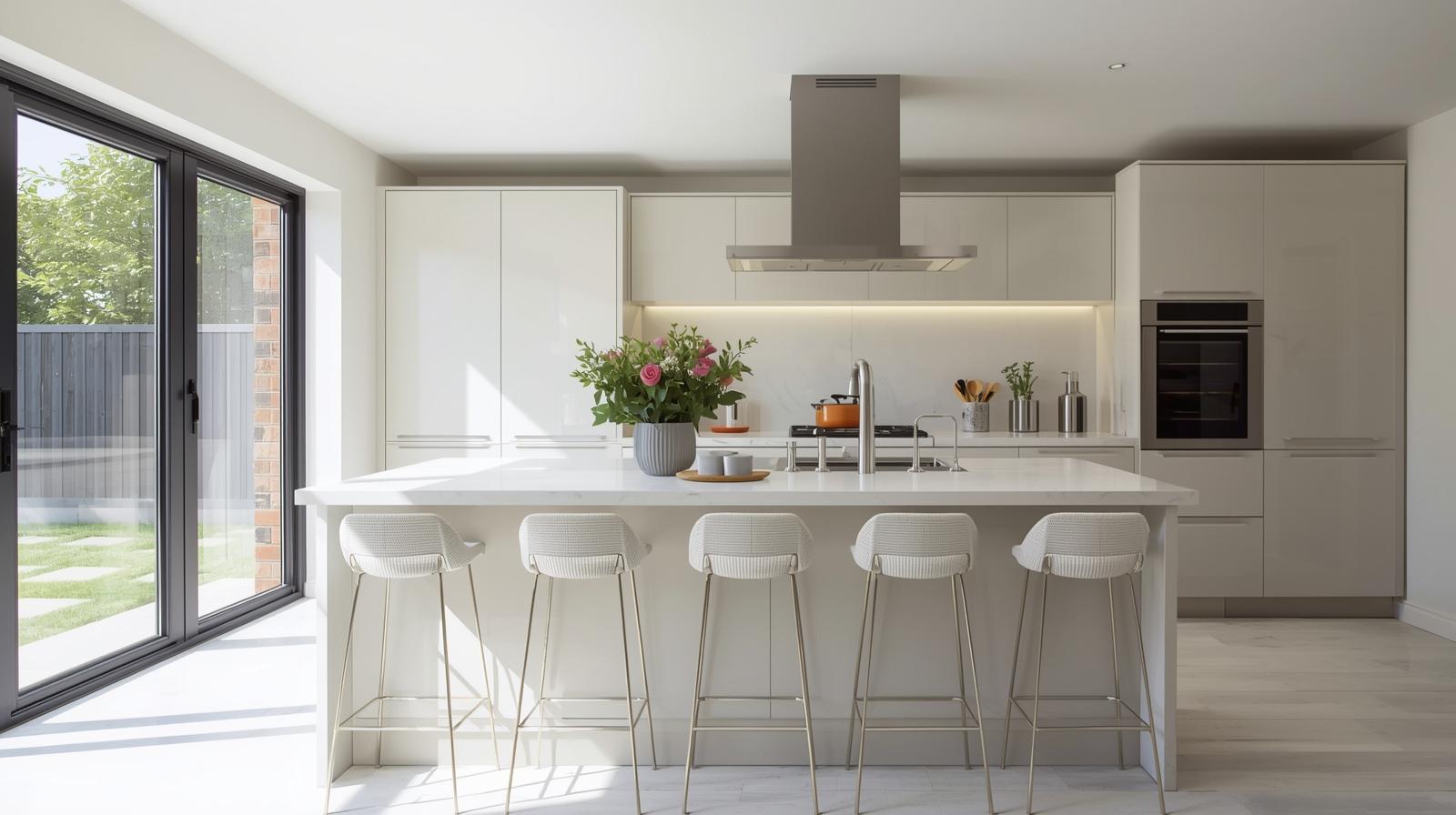
When it comes to modern kitchen and bathroom upgrades, the choice of countertop material plays a significant role in defining both the aesthetics and functionality of the space. Quartz has become a popular choice due to its durability, versatility, and design appeal. However, like any material, it comes with its own advantages and disadvantages. Before making a decision, it’s wise to assess both the strengths and potential drawbacks.
The Appeal of Quartz Worktops
Quartz worktops have gained massive popularity in recent years due to their unique balance of beauty and practicality. Made by combining natural quartz crystals with resin and pigments, these surfaces offer the richness of stone with added strength and uniformity. The manufacturing process allows for a wide range of colors and patterns, making quartz suitable for both contemporary and traditional interiors.
Pros of Installing Quartz Worktops
One of the most significant benefits of quartz is its non-porous nature. This makes the material resistant to stains from oils, coffee, wine, and other household substances. Unlike natural stone surfaces, quartz doesn’t require sealing, polishing, or special cleaning products. A simple wipe-down with mild soap and water keeps it looking pristine.
Quartz is also incredibly durable and scratch-resistant. It’s one of the hardest minerals found in nature, which means daily wear and tear is less likely to compromise the surface. For families with busy kitchens, this durability is an essential factor.
Another key benefit is the design consistency. Since quartz worktops are engineered, they don’t have the unpredictable veining or color variations seen in natural stones. This makes it easier to match multiple slabs and achieve a seamless look across a large surface.
Cons of Installing Quartz Worktops
Despite its high performance, quartz isn’t without limitations. One of the biggest concerns is its sensitivity to high heat. Placing hot pots or pans directly on the surface may cause thermal shock or discoloration. To protect the surface, it’s best to use trivets or heat pads.
Another factor to consider is its weight. Quartz worktops are quite heavy, so proper structural support is required when installing them. This might lead to additional preparation or reinforcement in older homes or cabinets.
While quartz offers a wide array of designs, it may not fully replicate the natural beauty of stones like marble or granite. For those who appreciate organic variations and patterns in natural stone, quartz might appear too uniform or manufactured.
Maintenance and Longevity
Quartz is known for being low maintenance, which adds to its appeal for busy households. Its non-porous surface resists bacteria, mold, and mildew, promoting a cleaner and more hygienic environment. With proper care, these worktops can last for decades without losing their shine or structure.
Regular cleaning is straightforward: a soft cloth and gentle detergent are enough for daily upkeep. Harsh chemicals and abrasive sponges should be avoided, as they may dull the surface over time.
Making the Right Decision
When considering quartz, it’s important to reflect on your lifestyle, design preferences, and long-term maintenance expectations. While it offers many practical benefits like durability, ease of care, and design flexibility, it does come with limitations such as heat sensitivity and a manufactured appearance.
Ultimately, the decision should align with both your functional needs and aesthetic vision. By weighing the pros and cons, you can confidently determine whether quartz is the right choice for your home.