PVC Boards: A Smart Choice for Craft Enthusiasts
In the world of creative design, versatility and precision matter. Whether you’re a professional maker, DIY hobbyist, or small business crafting custom signage, models, or furniture, material choice defines the final product’s quality. Among the wide range of substrates available today, PVC boards stand out as one of the most adaptable, cost-effective, and reliable materials for craft applications.
What Is a PVC Board?
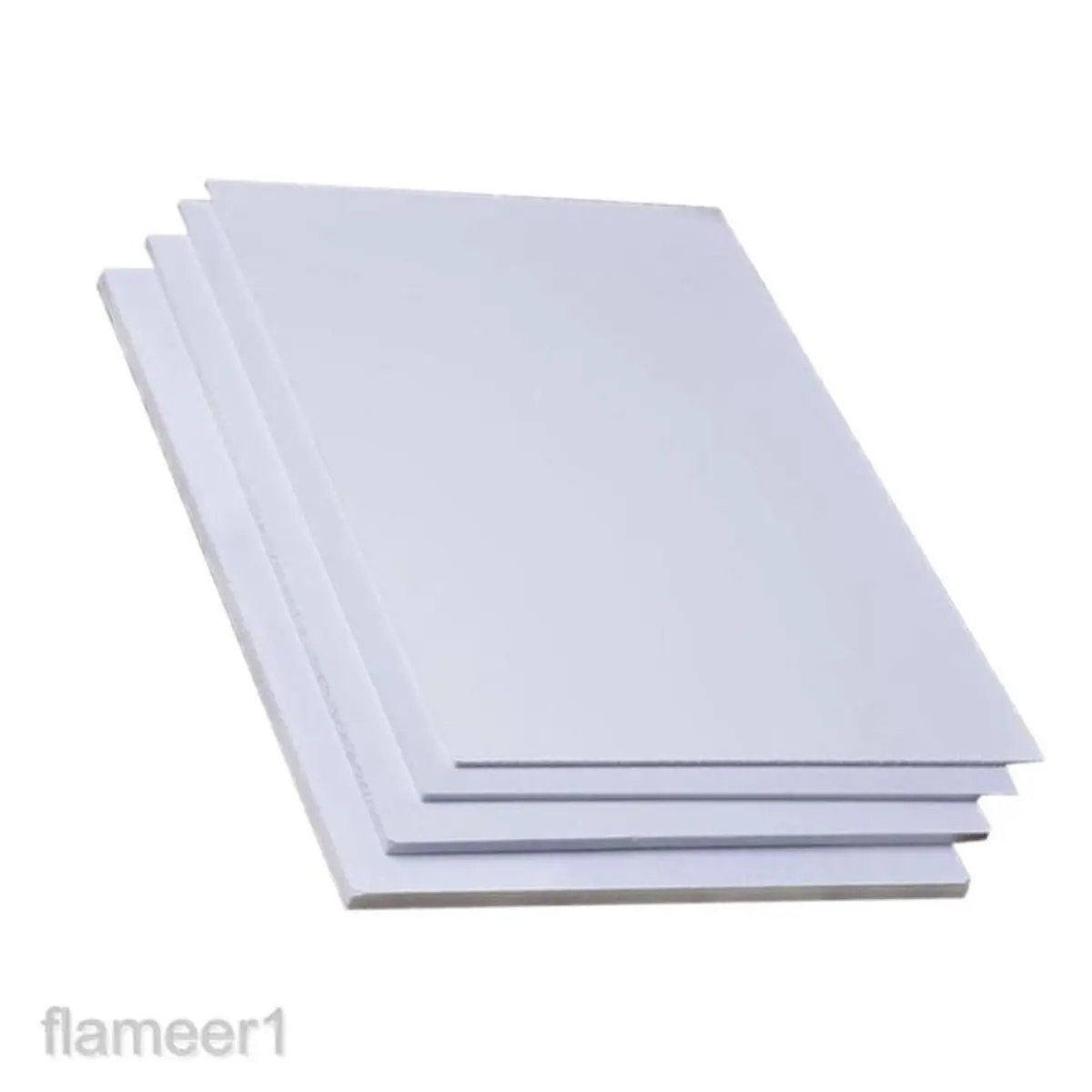
A PVC board (polyvinyl chloride board) is a lightweight yet durable plastic sheet known for its smooth surface, moisture resistance, and easy machinability. Unlike wood or MDF, PVC doesn’t absorb water, swell, or warp. It also resists rot, corrosion, and insect damage, making it ideal for long-lasting indoor and outdoor projects.
PVC boards are produced by combining PVC resin with various additives to enhance strength, rigidity, and surface finish. The result is a material that can be cut, routed, sanded, painted, and printed on — all without splintering or cracking. These characteristics make PVC boards an increasingly popular choice in creative industries ranging from model making and exhibition design to custom signage and decorative crafts.
Why Craft Enthusiasts Prefer PVC Boards
Lightweight but Strong
PVC boards are remarkably strong for their weight. A single sheet can withstand significant pressure and impact without breaking. For crafters who need materials that are easy to handle yet sturdy enough to support structural designs, PVC delivers the right balance.
Easy to Work With
One of the biggest advantages of PVC is its workability. You can cut it with standard tools — hand saws, routers, laser cutters, or CNC machines — and it maintains clean edges. The smooth, uniform surface accepts paints, adhesives, and vinyl wraps without priming, reducing prep time and material waste.
Excellent Surface Finish
For precision-driven crafts such as lettering, model prototypes, or decorative panels, finish quality matters. PVC boards have a fine, non-porous texture that ensures crisp detailing. They can be directly printed on using UV or solvent inks, making them perfect for signage, branding displays, and intricate art pieces.
Weather and Moisture Resistance
Unlike wood or fiberboard, PVC does not swell or decay when exposed to humidity or rain. It maintains dimensional stability in changing climates, which is why many artisans use PVC for outdoor crafts like garden décor, photo backdrops, and event installations.
Eco-Friendly and Recyclable Options
Modern PVC boards often include recycled content and can be recycled again at the end of their lifecycle. With many manufacturers adopting greener production methods, eco-conscious crafters can choose sustainable PVC board variants without compromising on performance.
Common Applications in the Craft and Design Industry
PVC boards’ versatility opens endless creative possibilities. Here are a few of their most common uses:
- Signage and Displays: Lightweight yet strong, PVC boards are ideal for retail signs, event branding, and exhibition stands.
- Interior Décor: Artists and designers use PVC sheets for 3D wall panels, decorative partitions, and ceiling designs.
- Model Making: Architects and product designers prefer PVC for scale models due to its precision and clean finish.
- DIY Furniture: Its rigidity makes PVC suitable for small shelves, craft tables, and modular structures.
- Custom Art Projects: From stencils and sculptures to laser-cut patterns, PVC boards are an easy canvas for creative expression.
Choosing the Right PVC Board
Not all PVC boards are created equal. The best choice depends on the project’s requirements:
- Thickness: PVC boards typically range from 1mm to 25mm thick. Thinner sheets are ideal for signage and craft panels, while thicker boards provide structural strength.
- Density: Higher-density boards are more rigid and durable, suited for professional displays and furniture applications.
- Surface Finish: Choose matte or glossy depending on the look you want. Glossy boards offer a sleek appearance, while matte surfaces reduce glare and are easier to paint.
When sourcing PVC boards, look for manufacturers that provide consistent quality, UV resistance, and a smooth finish. Trusted suppliers ensure dimensional accuracy, which saves time and material in production.
Tips for Working with PVC Boards
- Use fine-tooth blades for cleaner cuts.
- Avoid excessive heat when cutting or routing to prevent melting.
- Always wipe the surface before painting or printing to remove dust and static.
- Store boards flat and away from direct sunlight to maintain shape.
A Material That Inspires Creativity
For today’s craft enthusiasts, PVC boards bridge the gap between functionality and creative freedom. Their durability, lightweight structure, and easy handling make them a go-to material for both professionals and hobbyists. Whether you’re designing a custom art installation, a sleek retail display, or a detailed architectural model, PVC boards provide a smart, efficient foundation that turns ideas into tangible results.