
Spiritual Ajwa Dates: The Blessed Fruit of Paradise
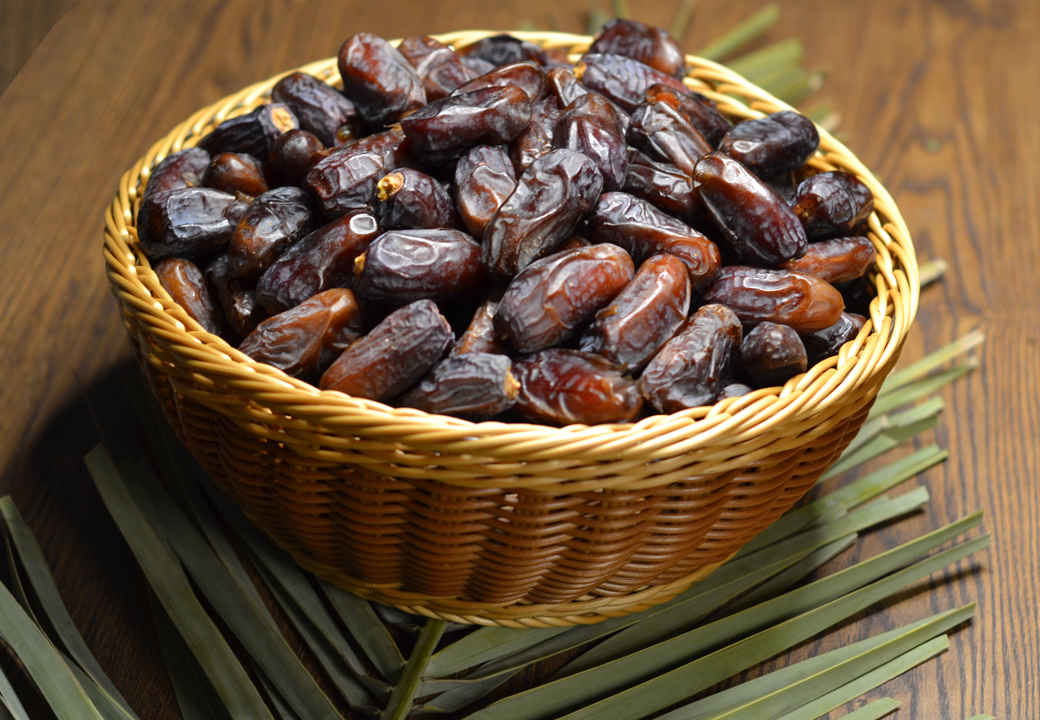
Ajwa dates are not just a fruit; they are a divine gift that carries deep spiritual, medicinal, and cultural significance. Originating from the blessed city of Madinah in Saudi Arabia, these soft, dark brown dates have been cherished for centuries — not only for their exquisite taste but also for their profound spiritual importance in Islam. Known as the “Fruit of Paradise,” Ajwa dates symbolize health, healing, and spiritual protection, making them one of the most treasured varieties among the many types of dates in the world.
The Origin of Ajwa Dates
Ajwa dates are grown primarily in the fertile soil of Madinah, one of the holiest cities in Islam. Their origin traces back to the time of the Prophet Muhammad (peace be upon him), who is reported to have planted the first Ajwa palm tree himself. This sacred connection to the Prophet elevates the Ajwa date from a simple fruit to a symbol of faith, devotion, and divine blessing.
The word “Ajwa” itself refers to this specific variety of dates characterized by their dark color, rich texture, and subtle caramel-like sweetness. While there are hundreds of date varieties grown throughout the Middle East, none hold the same reverence and spiritual prestige as the Ajwa.
Spiritual Significance in Islam
The spiritual importance of Ajwa dates is deeply rooted in Islamic tradition. Several Hadiths highlight the virtues of consuming Ajwa dates, associating them with protection and blessings. One of the most well-known Hadiths from Sahih al-Bukhari quotes the Prophet Muhammad (peace be upon him) as saying:
“Whoever eats seven Ajwa dates in the morning, neither magic nor poison will harm him that day.”
(Sahih al-Bukhari, Hadith 5445)
This statement underscores the belief that Ajwa dates possess not only physical health benefits but also spiritual protection. Many Muslims around the world follow this Sunnah — the practice of eating seven Ajwa dates each morning — as a means of seeking divine safeguarding and blessings.
Ajwa dates are also associated with love, compassion, and connection to the Prophet. By consuming them, believers symbolically connect themselves to the traditions of Madinah and the spiritual legacy of Islam’s earliest days. For this reason, Ajwa dates are often shared during Ramadan, Eid, and other religious occasions as a gesture of goodwill, unity, and faith.
Health and Healing Properties
Beyond their spiritual benefits, Ajwa dates are a powerhouse of nutrition. They are rich in natural sugars, fiber, vitamins, and minerals such as potassium, magnesium, and calcium. These nutrients make Ajwa dates an ideal source of quick energy, particularly for fasting individuals during Ramadan.
Modern scientific studies have also confirmed some of the traditional beliefs about Ajwa dates. They possess antioxidant, anti-inflammatory, and cardioprotective properties. Regular consumption of Ajwa dates may help regulate blood pressure, improve digestion, and support heart health. They also promote brain function and enhance the immune system.
Interestingly, the Prophet Muhammad (peace be upon him) described Ajwa dates as having healing properties. Many scholars interpret this to mean that the fruit carries both physical and spiritual healing — nourishing the body while uplifting the soul.
Symbolism of Blessings and Unity
Ajwa dates are more than food; they are a symbol of divine grace and unity among Muslims. When shared, they represent generosity, love, and connection to one another. In Islamic culture, offering dates, especially Ajwa, is an act of charity and blessing. It mirrors the Prophet’s habit of sharing dates with his companions and guests, reinforcing the values of kindness and community.
During Ramadan, Ajwa dates are often the first food Muslims eat when breaking their fast at sunset. This act not only revives the Sunnah but also reflects the spiritual symbolism of moving from restraint to divine reward. The sweetness of the Ajwa becomes a reminder of the sweetness of faith itself.
A Global Spiritual Legacy
Today, Ajwa dates are cherished by Muslims worldwide, not only for their taste but for their deep spiritual resonance. Pilgrims visiting Madinah often carry Ajwa dates home as gifts for loved ones, symbolizing blessings from the holy land. These dates are considered sacred souvenirs, connecting Muslims across generations and continents to the heart of their faith.
Conclusion
The story of Ajwa dates is one of faith, health, and spiritual connection. Rooted in the holy soil of Madinah and blessed by the traditions of the Prophet Muhammad (peace be upon him), Ajwa dates continue to inspire devotion and gratitude among millions of believers. They remind us that spirituality is not confined to rituals alone — it can also be found in the everyday blessings that nourish our bodies and elevate our spirits.
In every bite of an Ajwa date lies a taste of paradise — a sweet reminder of divine mercy, protection, and the eternal bond between faith and nourishment.
For more information click here Spiritual Ajwa dates.