
Online Groceries Marketplace USA: Revolutionizing the Way America Shops
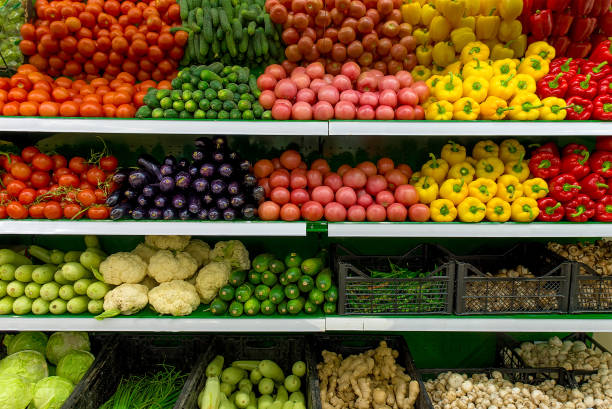
In today’s fast-paced digital world, the way Americans buy groceries has transformed dramatically. Gone are the days of long supermarket queues and last-minute shopping trips. The online groceries marketplace in the USA has emerged as one of the fastest-growing sectors of e-commerce, reshaping consumer behavior and redefining convenience. With just a few clicks or taps, households can now order fresh produce, pantry staples, and household essentials delivered right to their doorstep.
The Rise of Online Grocery Shopping
The evolution of the online grocery marketplace in the United States began well before the COVID-19 pandemic, but it was the lockdown era that accelerated its growth exponentially. As health concerns and movement restrictions took hold, millions of consumers turned to digital platforms like Instacart, Amazon Fresh, Walmart+, and Shipt for their grocery needs. What started as a temporary solution quickly became a permanent habit.
According to industry reports, online grocery sales in the U.S. are expected to surpass $150 billion by 2025, capturing a significant share of the overall retail food market. Consumers have embraced this digital transformation not only for its safety and convenience but also for its ability to save time, compare prices, and access a broader selection of products.
How Online Grocery Marketplaces Work
Online grocery marketplaces operate as digital platforms that connect consumers with grocery stores, wholesalers, and delivery networks. These platforms either manage their own inventory — like Amazon Fresh or Walmart Grocery — or serve as intermediaries linking customers to local stores and independent retailers, such as Instacart and DoorDash.
Customers can browse through thousands of items, apply filters for organic or dietary-specific products, and even set recurring orders for weekly or monthly deliveries. The combination of advanced technology, logistics, and data-driven personalization ensures that each user’s experience is tailored to their needs.
Payment systems are integrated securely, offering options like credit/debit cards, digital wallets, and membership discounts. In addition, real-time tracking and same-day delivery have made the online grocery experience nearly as immediate as a physical store visit — if not faster and more efficient.
Major Players in the U.S. Online Grocery Market
Several companies dominate the online grocery space in the USA, each bringing unique strengths to the table:
- Amazon Fresh & Whole Foods Market – Amazon’s integration of Whole Foods has given it a strong foothold in the fresh and organic segment, combining premium quality with lightning-fast delivery.
- Walmart+ – Leveraging its vast network of stores, Walmart offers same-day pickup and delivery options, appealing to budget-conscious shoppers.
- Instacart – A pioneer in third-party grocery delivery, Instacart partners with hundreds of national and local stores, giving customers flexibility and variety.
- Kroger Delivery – Using high-tech fulfillment centers, Kroger has innovated the way groceries are picked, packed, and shipped across the country.
- Target’s Shipt – Target’s membership-based delivery service combines groceries with general retail products for a one-stop shopping experience.
These players continue to compete through better logistics, expanded product lines, and technology-driven personalization, pushing the boundaries of convenience and customer satisfaction.
Consumer Trends Shaping the Marketplace
Several key trends are shaping the online groceries marketplace USA:
- Health and Sustainability: Consumers are increasingly seeking organic, non-GMO, and locally sourced items. Platforms now feature eco-friendly packaging and carbon-neutral delivery options.
- Subscription and Membership Models: Services like Amazon Prime and Walmart+ offer free delivery and exclusive discounts, building customer loyalty through savings and convenience.
- Artificial Intelligence and Personalization: Advanced algorithms analyze shopping habits to recommend products, offer meal planning suggestions, and optimize delivery schedules.
- Omnichannel Integration: Retailers are blending online and offline experiences. For instance, customers can order online and pick up curbside — a feature that surged in popularity post-2020.
- Expansion into Rural Areas: Initially concentrated in urban centers, online grocery delivery is now expanding into suburban and rural America, thanks to improved logistics and warehouse automation.
Benefits of Online Grocery Shopping
For consumers, the advantages are undeniable. Time-saving convenience tops the list, as families can plan and order groceries anytime, anywhere. The ability to compare prices across brands helps budget-conscious shoppers make smarter choices. Moreover, online platforms often feature digital coupons, cashback offers, and loyalty programs that add further value.
From a business perspective, online grocery marketplaces provide retailers with valuable insights into consumer behavior. Data analytics help predict demand, manage inventory efficiently, and create targeted marketing campaigns. The result is a more responsive, customer-centric retail ecosystem.
Challenges and Future Outlook
Despite its impressive growth, the online grocery sector faces challenges such as delivery logistics, perishable inventory management, and maintaining product freshness. Additionally, rising operational costs and the need for eco-friendly packaging continue to push companies to innovate sustainably.
Looking ahead, the future of online grocery shopping in the USA appears bright. With advancements in AI, robotics, and cold-chain logistics, deliveries will become faster, smarter, and greener. Integration with smart home devices — such as refrigerators that automatically reorder products — will further redefine convenience.
Conclusion
The online groceries marketplace in the USA is more than a trend — it’s a revolution in how Americans approach food shopping. What began as a response to modern life’s demands has evolved into a lifestyle anchored in technology, efficiency, and choice. As digital platforms continue to evolve, they are not merely transforming retail — they are shaping the future of how we eat, live, and connect.