Retail Shelf Organization Tips: How Wire Shelves Baskets Simplify Store Management
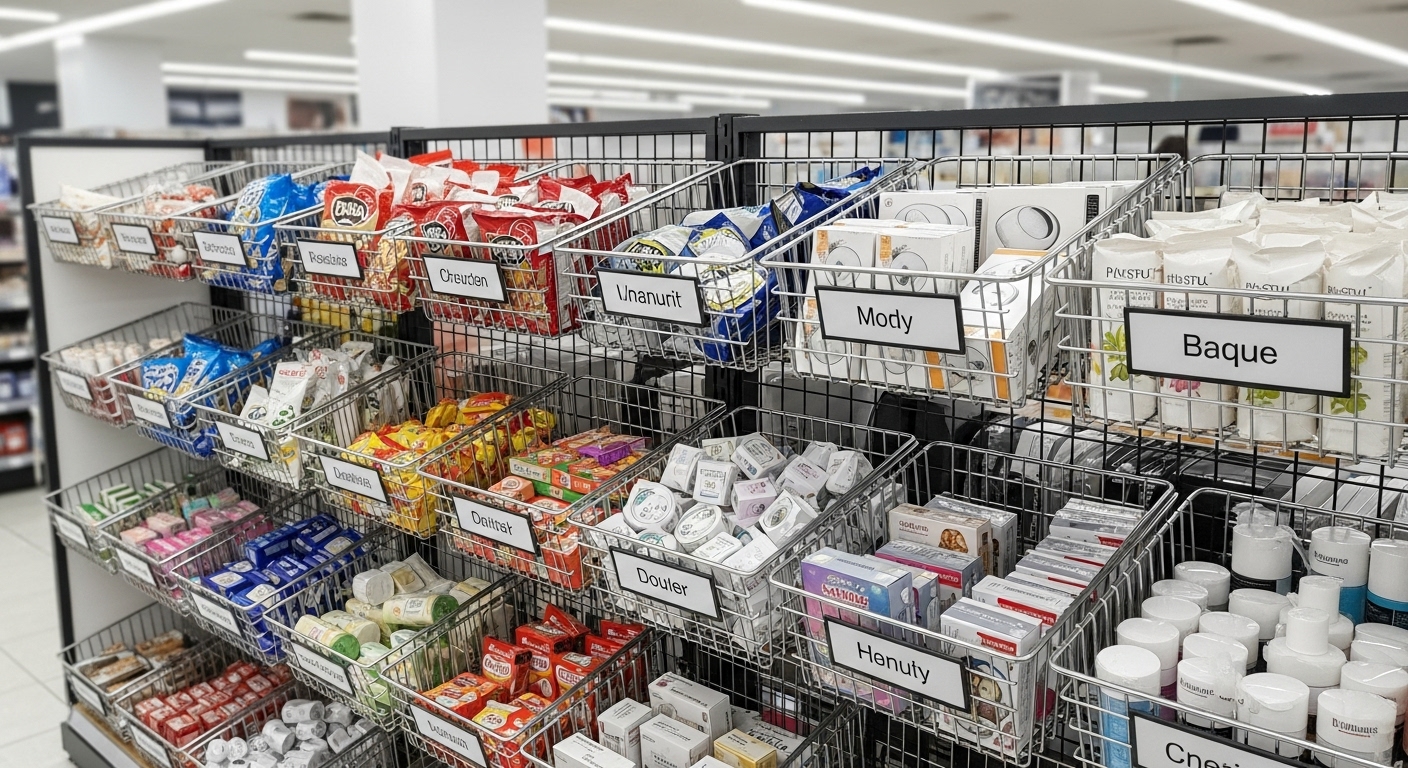
Running a retail store means juggling countless tasks simultaneously—serving customers, managing inventory, processing deliveries, and maintaining displays that drive sales. The difference between stores that thrive and those that merely survive often comes down to systems and organization. Smart retail shelf organization doesn’t just make your store look better; it fundamentally improves how efficiently you operate. When you incorporate versatile solutions like wire shelves baskets into your setup, you create flexibility and functionality that adapts to your changing needs while simplifying daily operations.
The beauty of effective organization is that it creates compounding benefits. Well-organized shelves make restocking faster, which frees staff time for customer service. Clear product placement reduces customer questions, letting your team focus on building relationships rather than directing traffic. Proper organization also reduces shrinkage by making missing inventory immediately obvious. When you invest time in developing solid organizational systems, every aspect of your store operation improves.
Understanding the Foundation of Effective Retail Organization
Before diving into specific tactics, you need to understand what makes retail shelf organization truly effective. It’s not about rigidly categorizing everything or creating complex systems that only you understand. Good organization balances structure with flexibility, creating intuitive arrangements that work for staff and customers alike.
The best organizational systems reflect how customers actually shop, not just how inventory management textbooks suggest arranging products. Think about natural associations—items purchased together should live near each other. Products compared during decision-making should sit side-by-side for easy evaluation. Frequently purchased essentials deserve easy access, while specialty items can occupy less convenient locations.
Consistency matters tremendously. Once you establish organizational principles, apply them throughout your store. If pasta sits on the second shelf in one aisle, similar products should occupy similar positions elsewhere. This consistency helps returning customers navigate confidently without constantly searching or asking for help. It also makes training new employees simpler—they learn patterns rather than memorizing countless individual product locations.
Visual organization complements logical organization. Use colors, textures, and heights to create distinct sections that customers can identify at a glance. This visual logic helps even first-time visitors understand your layout intuitively, making shopping easier and more enjoyable.
The Versatility of Wire Basket Systems
Wire shelves baskets represent one of the most adaptable retail shelf organization tools available. Their simple design belies remarkable functionality that addresses numerous common retail challenges simultaneously.
Ventilation is a huge advantage for certain product types. Produce, baked goods, and any items that might trap moisture benefit enormously from airflow that wire construction naturally provides. This ventilation extends product life, reduces waste, and maintains quality that keeps customers satisfied. Solid shelving can create humidity traps that accelerate spoilage—wire baskets solve this elegantly.
Visibility works in your favor with wire baskets. Both customers and staff can see contents from multiple angles without moving everything around. This transparency speeds restocking, makes inventory checks faster, and helps customers locate desired items without excessive searching. The see-through nature also creates a sense of abundance even when baskets aren’t completely full.
Flexibility in product sizing is another key benefit. Unlike fixed shelf heights that accommodate one product size well but others poorly, wire baskets allow items to stack naturally. Small items nestle together efficiently, while larger products sit comfortably without wasting vertical space. This adaptability means your fixtures work well across diverse inventory.
Cleaning and maintenance become much simpler with wire construction. Spills don’t pool—they drain through, making cleanup straightforward. Dust and debris fall through rather than accumulating on surfaces. A quick wipe-down keeps wire baskets looking fresh, whereas solid shelves often require more intensive cleaning to maintain professional appearance.
Categorization Strategies That Work
How you group products fundamentally impacts both operational efficiency and sales performance. Effective categorization requires understanding your inventory, your customers, and the relationships between different products.
Primary categorization typically follows product type—all cleaning supplies together, all snacks together, all beverages together. This basic organization meets customer expectations and makes navigation intuitive. However, don’t stop at this surface level. Within categories, secondary organization adds tremendous value.
Within primary categories, organize by use case or occasion. In the beverage section, group everything needed for morning coffee, then afternoon refreshments, then evening relaxation. This occasion-based arrangement encourages multiple-item purchases as customers see everything needed for specific moments together.
Price-point organization helps customers with budget constraints shop efficiently. Having premium, mid-range, and value options clearly delineated lets customers gravitate toward their preferred tier without feeling pressured or embarrassed. This approach respects diverse financial situations while serving all customer segments effectively.
Frequency-based placement puts fast-movers in accessible locations while slower-moving items occupy less premium space. This retail shelf organization principle ensures your busiest products don’t create bottlenecks and that staff spend minimal time restocking high-demand items.
Maximizing Vertical Space Efficiently
Most retailers underutilize vertical real estate. Floor space costs money, but vertical space often goes wasted despite being essentially free. Smart organization leverages height without creating accessibility issues or overwhelming customers.
Eye-level placement remains the most valuable vertical position—roughly 4.5 to 6 feet high where most adults naturally look. Reserve this premium space for high-margin products, new arrivals, or items you actively want to promote. Products at eye level sell significantly more than identical items positioned higher or lower.
Chest-level shelving (roughly 3.5 to 4.5 feet) works well for everyday items and products that customers frequently restock. This height remains easy to reach while freeing eye-level space for products that benefit more from prominent positioning. It’s also ideal for heavier items that would be awkward to handle at higher elevations.
Lower shelving suits bulk products, value packs, and items marketed toward children. The physical positioning actually reinforces value perceptions—larger economy sizes feel appropriate at lower heights. Products with kid-appeal benefit from child-level placement where your youngest customers spot them easily.
Upper shelving accommodates overflow stock, seasonal items currently out of season, or specialty products with dedicated customer bases who’ll seek them out regardless of position. Keep step stools handy and ensure staff can safely access these areas for restocking and inventory management.
Creating Logical Product Adjacencies
Products don’t exist in isolation—they’re part of purchase patterns and use cases. Thoughtful adjacencies increase basket sizes by reminding customers of related items they need or sparking ideas they hadn’t considered.
Complementary product pairing is the most obvious adjacency strategy. Place pasta sauce next to pasta, batteries near battery-powered items, and phone cases beside chargers. These natural partnerships often result in multiple-item purchases from customers who came for only one product initially.
Solution-based adjacencies group everything needed for specific projects or occasions. Create a “picnic essentials” section with disposable plates, napkins, snacks, and beverages. Build a “home office” area with all necessary supplies together. These curated arrangements save customers time and often increase transaction values as they grab everything needed from one convenient location.
Cross-category merchandising can surprise and delight customers while boosting sales. Wine near premium pasta encourages weeknight dinner upgrades. Greeting cards near small gift items prompt complete gift purchases. These unexpected combinations catch attention and spark ideas customers might not have independently considered.
Contrast-based adjacencies help customers make informed choices by enabling easy comparison. Place budget and premium versions of similar products side-by-side so customers can evaluate differences and make confident decisions based on their preferences and budgets.
Implementing Color and Visual Grouping
Human brains process visual information faster than text, making visual organization a powerful retail shelf tool. Strategic use of color and visual grouping speeds navigation while creating more appealing displays.
Color-blocking creates dramatic visual impact while serving practical purposes. Group products by packaging color to create rainbow effects that customers find inherently appealing and easy to remember. “The green tea is in the green section” becomes intuitive navigation that reduces confusion and questions.
Contrast draws attention to specific products or promotions. If most of your packaging is neutral tones, a brightly colored new product stands out dramatically. Use this principle strategically by positioning items you want to promote in locations where their visual distinctiveness captures attention.
Consistent visual themes within sections help customers confirm they’re in the right area. If organic products always feature natural wood displays and earth-tone signage, customers recognize these visual cues instantly. This consistency builds confidence and speeds shopping.
Negative space—empty areas between products or sections—provides visual rest and prevents overwhelming customers. Retail shelf organization isn’t about cramming maximum products into every inch. Strategic emptiness makes highlighted items more noticeable and keeps displays from feeling cluttered or chaotic.
Labeling and Signage Best Practices
Even brilliant organization fails if customers can’t understand it. Clear labeling and signage communicate your organizational logic, helping customers navigate independently while reducing staff workload.
Category signage should be visible from multiple angles within your store. Use hanging signs, end-cap markers, or shelf headers that customers spot from a distance. Clear wayfinding reduces frustration and encourages exploration—customers venture into unfamiliar sections when they’re confident about what they’ll find.
Price labeling must be clear, accurate, and consistently positioned. Customers shouldn’t have to hunt for prices or decode complicated systems. Simple, straightforward pricing builds trust and speeds purchasing decisions. Consider how lighting affects label readability—attractive ambient lighting sometimes makes reading small text difficult.
Product information signage adds value for customers while reducing repetitive questions for staff. Note key features, usage suggestions, or ingredients that commonly influence purchase decisions. Educational signage positions you as a helpful resource rather than just a product warehouse.
Promotional signage should stand out without overwhelming. Use consistent design elements for all promotional materials so customers recognize deals instantly. However, avoid turning your store into a visual circus—too many competing signs create confusion rather than clarity.
Maintenance Systems That Sustain Organization
Creating organization is one challenge; maintaining it is another entirely. Without sustainable systems, even the best initial organization deteriorates quickly under daily operational pressures.
Daily touch-ups prevent small problems from becoming major disorganization. Train staff to straighten displays, face products forward, and remove damaged items as they notice them throughout shifts. These micro-corrections take seconds individually but prevent the accumulation of disorganization that eventually requires hours to fix.
Regular deep cleans and resets keep retail shelf systems functioning optimally. Schedule weekly or monthly thorough reviews of each section—discarding expired products, reorganizing after staff shortcuts have crept in, and refreshing displays that have become stale. Consistent maintenance cycles prevent decay into chaos.
Staff training ensures everyone understands and follows organizational principles. New employees should learn not just where specific products go, but why they go there and the logic behind your system. This deeper understanding enables staff to make good decisions when encountering ambiguous situations rather than creating inconsistent placement.
Feedback loops help identify organizational problems early. Encourage staff to report shelving issues they notice or customer confusion they encounter. These frontline insights reveal organizational weaknesses before they significantly impact operations or sales.
Conclusion: Building Systems That Support Success
Effective retail shelf organization isn’t about perfectionism or rigid rules—it’s about creating systems that make daily operations smoother while improving customer experience. Wire shelves baskets and other flexible storage solutions give you the tools to build adaptable systems that grow with your business. By implementing logical categorization, maximizing vertical space, creating smart product adjacencies, and maintaining organization through consistent effort, you transform your store into a well-oiled machine that serves customers better while making staff jobs easier. The investment in thoughtful organization pays dividends daily through increased efficiency, reduced frustration, and improved sales performance.
Frequently Asked Questions
How much time should I allocate weekly for maintaining organization?
Plan for 1-2 hours of focused organization maintenance per 1,000 square feet of retail space weekly. This includes straightening displays, rotating stock, and addressing any organizational issues. Daily micro-maintenance by all staff (5-10 minutes per shift per employee) prevents most major problems, making weekly deep maintenance faster and more effective.
What’s the best way to reorganize an already-operating store?
Work in sections during slower business hours to minimize customer disruption. Complete one area fully before starting another, so your store never feels completely torn apart. Communicate changes to staff before implementation and customers through signage. Most reorganizations can happen gradually over 2-4 weeks without significantly impacting operations.
How do I decide which products deserve premium shelf positions?
Consider profit margin, sales velocity, and promotional priorities. High-margin items that customers don’t specifically seek out benefit most from prominent placement. Fast-moving staples can succeed in less prominent locations since customers will find them regardless. Balance commercial goals with customer convenience for sustainable success.
Should I organize alphabetically or by another system?
Alphabetical organization rarely makes sense in retail—it doesn’t reflect how customers think or shop. Organize by use case, product type, price point, or brand family instead. The exception might be very large selections where customers know specific names they’re seeking (like books or supplements), but even then, secondary categorization helps.
How often should I completely reconfigure my layout?
Major reconfigurations typically make sense every 3-5 years as fixtures age, product mixes change, or you gain insights into customer behavior. Minor adjustments should happen continuously as you identify opportunities. Seasonal resets work well for many retailers—adjusting 2-4 times yearly to reflect changing merchandise and shopping patterns.
What’s the ideal product density on shelves?
Aim for 70-80% capacity on most displays. This looks abundant without appearing cluttered, allows for proper product facing, and provides buffer space when restocking between deliveries. Some strategic areas might run fuller (bulk items) or emptier (premium displays where negative space adds perceived value), but 70-80% works well generally.
How do I handle products that fit multiple categories?
Choose one primary location based on customer expectations and shopping patterns. If significant confusion occurs, use secondary displays in relevant locations or clear signage directing customers. Accept that some ambiguity exists—customers have different mental models, so perfection isn’t possible. Prioritize logical consistency over accommodating every possible association.
What metrics indicate whether my organization is effective?
Monitor sales per square foot by section, staff time spent helping customers locate items, restocking efficiency (time required), inventory accuracy, and product damage rates. Customer feedback provides qualitative insights. Effective organization improves all these metrics—better sales, less time finding things, faster restocking, fewer errors, less damaged product.
Can organization be too rigid for seasonal or promotional changes?
Yes. Build flexibility into systems from the start. Use modular fixtures, maintain some open space for temporary displays, and train staff to understand organizational principles rather than just memorize static arrangements. The best systems provide clear structure while accommodating changes smoothly.
How do I get staff to maintain organizational standards consistently?
Make organization part of job expectations with clear standards, provide training on why organization matters (not just how), recognize and reward employees who maintain excellent standards, and make maintenance tools readily available. Lead by example—if management ignores organizational standards, staff will too. Make it cultural, not just procedural.