Why Behavior Analyst Certification Matters for North Carolina Communities
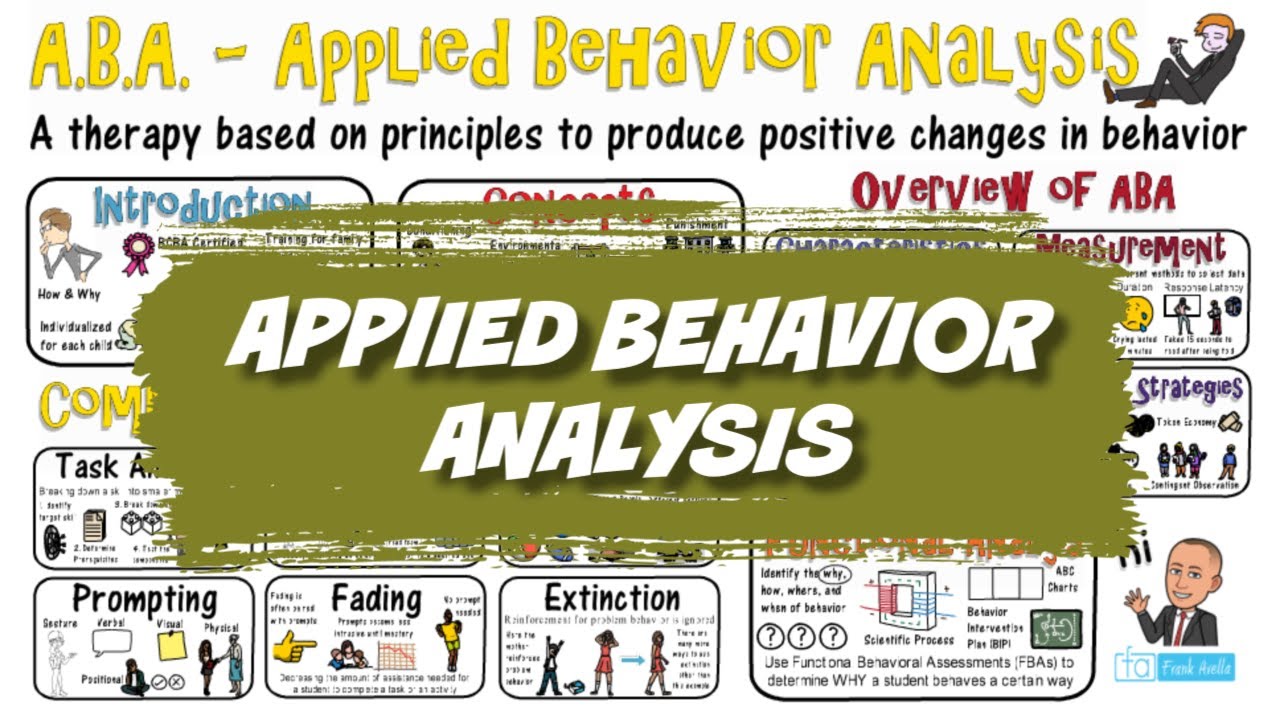
Applied Behavior Analysis (ABA) is a research-driven approach that helps individuals with autism and related conditions acquire new skills and enhance their daily lives. In North Carolina, the demand for ABA services is high. Families, schools, and healthcare providers rely on professionals who can deliver practical, ethical, and evidence-based care. This is where certification plays a critical role.
Understanding the value of applied behavior analysis certification in North Carolina helps explain why communities benefit when professionals meet established standards. Certified behavior analysts not only strengthen individual outcomes but also improve the overall quality of services available across the state.
Certification ensures that behavior analysts meet rigorous standards in education, supervised training, and ethical practice. For families in North Carolina, this means access to professionals who:
- Use evidence-based strategies
- Understand how to assess and address unique learning needs
- Maintain accountability through continuing education
- Follow a strict code of professional ethics
Without certification, there is no guarantee that ABA services meet these standards. This makes behavior analyst certification in North Carolina a cornerstone of quality care.
Meeting the Needs of Growing Communities
North Carolina is home to a diverse population of children and adults with autism. According to the Centers for Disease Control and Prevention (CDC), the prevalence of autism continues to rise. This creates a clear need for trained professionals who can deliver individualized ABA programs.
Certified behavior analysts help fill this gap by working in:
- Public and private schools
- Specialized therapy centers
- Hospitals and healthcare systems
- Community-based service organizations
By maintaining certification, analysts ensure they are prepared to meet the growing needs of families across both urban and rural areas of North Carolina.
Earning certification involves several steps that build the knowledge and skills needed for professional practice. The process typically includes:
- Completing a graduate degree in behavior analysis, psychology, or education.
- Finishing coursework aligned with ABA competency standards.
- Completing supervised fieldwork hours under a certified analyst.
- Passing a national certification exam that measures knowledge and application of ABA principles.
Applied behavior analysis certification North Carolina options may include in-person or online training formats. Online programs provide flexibility for working adults, while in-person programs create opportunities for classroom learning and local networking.
Impact on Families and Individuals
The actual value of certification is seen in the lives of individuals who receive ABA services. Certified behavior analysts design and supervise programs that target specific goals, such as:
- Building communication skills
- Supporting academic achievement
- Teaching daily living and self-care skills
- Reducing behaviors that interfere with learning or social interaction
Families benefit from having a trusted professional guide the process, ensuring that interventions are tailored to the individual’s needs and progress is closely monitored.
Strengthening Schools and Education
Schools are facing an increasing demand for specialized support for students with autism. Certified behavior analysts provide training for teachers, design classroom interventions, and consult on individualized education plans (IEPs).
By integrating ABA into the school system, students gain access to consistent, research-based strategies. Certification ensures that analysts working in schools bring proven methods to the classroom, creating better outcomes for students and providing more support for educators.
Healthcare and Community Services
Beyond schools, certified behavior analysts contribute to healthcare systems and community-based organizations. In hospitals and clinics, they may support patients with developmental or behavioral challenges. In community programs, they help individuals gain independence and access to resources.
Because certification requires continuing education, professionals remain up to date with advances in ABA research. This ongoing learning benefits North Carolina communities by ensuring that services reflect the latest evidence-based practices.
Career Opportunities in North Carolina
The demand for ABA services has created strong career opportunities for certified behavior analysts in the state. Career paths include:
- Supervisory roles in therapy clinics
- Consulting positions in schools and districts
- Research and training positions in universities
- Leadership roles in community service organizations
With behavior analyst certification in North Carolina, professionals can expand their career options while contributing to meaningful change in their communities.
Building Trust Through Certification
Certification builds trust with families, schools, and healthcare providers. It signals that a professional has met established standards and is accountable to an ethical code. In a field where outcomes directly impact quality of life, this trust is essential.
North Carolina families rely on certified analysts not only for their technical expertise but also for reassurance that the services they provide are safe, ethical, and effective. Communities thrive when professionals demonstrate this level of competence and accountability. Certification matters because it ensures that behavior analysts in North Carolina are prepared to deliver high-quality, ethical, and effective services. Through applied behavior analysis certification North Carolina programs and continuing education, professionals gain the skills to support individuals with autism in reaching their potential.
Source: https://qababoard.com/