

Baby’s First Foods: Starting Solids the Right Way
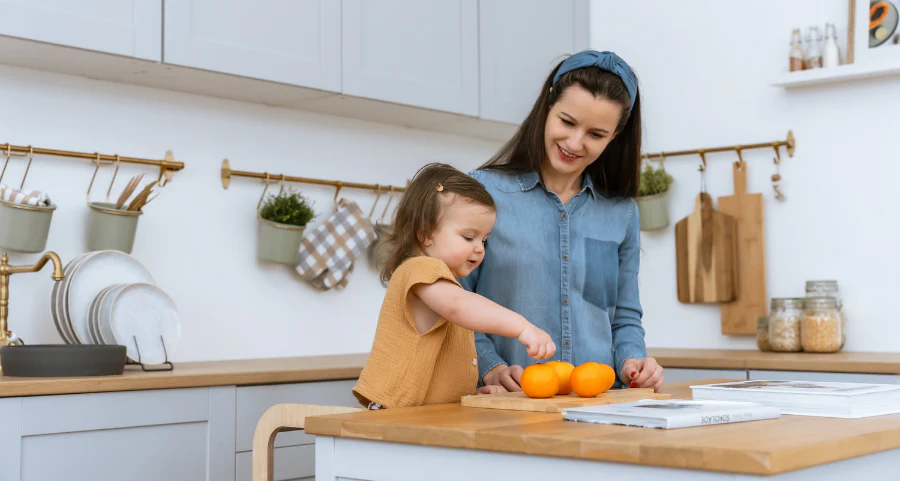
Introducing your baby to solid foods is an exciting milestone, but it can also feel overwhelming. Knowing when and how to start solids ensures that your baby receives proper nutrition, develops healthy eating habits, and enjoys the process of exploring new tastes and textures. This guide provides tips on starting solids safely, choosing the right foods, and creating positive mealtime experiences for your little one.
When to Start Solids
Most babies are ready to start solids around six months of age, although some may show readiness a little earlier or later. Signs that your baby is ready include:
- Good head and neck control
- Ability to sit with support
- Showing interest in food, reaching for it, or opening their mouth
- Reduced tongue-thrust reflex
Introducing solids too early can increase the risk of choking and food allergies, while delaying solids unnecessarily may affect nutrient intake, particularly iron.
First Foods to Consider
Start with single-ingredient, soft foods that are easy to swallow. Common first foods include:
- Iron-fortified cereals
- Mashed vegetables like sweet potato, carrot, or pumpkin
- Pureed fruits such as banana, pear, or avocado
- Soft cooked lentils or beans
Introduce one new food at a time and wait 3–5 days before adding another to monitor for allergic reactions or digestive issues.
Texture and Consistency
Begin with smooth purees and gradually introduce lumpier textures as your baby becomes more comfortable with eating. This helps develop chewing skills and prepares them for finger foods later. Avoid added salt, sugar, or honey for babies under one year, as their kidneys are still developing and honey can carry the risk of botulism.
Encouraging Healthy Eating Habits
Positive mealtime experiences encourage healthy eating habits:
- Offer a variety of foods, colors, and textures
- Let your baby explore food with their hands
- Avoid pressuring them to finish every bite
- Model healthy eating by sharing family meals
Developing these habits early fosters a positive relationship with food and helps prevent picky eating later.
Dealing with Common Challenges
Starting solids can come with some challenges:
- Refusal of food: Offer the food multiple times, and try different textures or combinations.
- Messiness: Expect spills and mess—it’s part of learning and sensory exploration.
- Allergies: Introduce potentially allergenic foods like eggs, peanuts, or fish one at a time and monitor for reactions.
Patience and consistency are key, as babies often need repeated exposure to accept new foods.
Balancing Breast Milk or Formula
Solids complement breast milk or formula but do not replace it initially. Continue breastfeeding or formula feeding while introducing solids to ensure your baby receives adequate nutrition. Over time, as solid intake increases, milk intake may naturally adjust.
Importance of Iron and Nutrient-Rich Foods
Iron is critical for brain development, so include iron-rich foods such as fortified cereals, pureed meats, and lentils early in the weaning process. Offer a variety of nutrient-dense foods to provide protein, healthy fats, vitamins, and minerals. Consulting professionals and attending Early Pregnancy Classes in India can provide guidance on age-appropriate nutrition and meal planning for your baby’s first foods.
Hydration and Fluids
Once solids are introduced, small amounts of water can be offered in a sippy cup or open cup. Avoid sugary drinks or juices, as they can harm dental health and displace essential nutrients. Breast milk or formula continues to be the primary source of hydration.
Safety Tips for Feeding Solids
Safety is paramount when introducing solids:
- Always supervise your baby during meals
- Avoid small, hard, or round foods that pose a choking hazard, such as whole grapes, nuts, or popcorn
- Serve age-appropriate textures and sizes
- Keep mealtime calm and relaxed to encourage a positive feeding experience
Using Online Resources for Guidance
Many parents benefit from flexible learning and expert advice on introducing solids. Early Pregnancy Classes Online provide practical tips on nutrition, weaning techniques, portion sizes, and food preparation for babies. Online classes offer the convenience of learning at your own pace, allowing you to implement safe and healthy feeding practices confidently.
Transitioning to Family Foods
As your baby grows and develops chewing skills, gradually introduce soft pieces of family foods, ensuring they are healthy and appropriately sized. Encourage self-feeding with fingers or toddler utensils to foster independence. Offer a wide range of flavors and textures to expand their palate and ensure a balanced diet.
Final Thoughts
Starting solids is an exciting milestone that requires patience, preparation, and knowledge. Introducing nutrient-rich foods, observing safety guidelines, and maintaining breastfeeding or formula feeding ensures your baby receives the nutrition needed for growth and development. Creating positive, engaging mealtimes encourages healthy eating habits that last a lifetime.
Combining expert advice from Early Pregnancy Classes in India or Early Pregnancy Classes Online with practical strategies empowers parents to navigate this milestone confidently. Remember, every baby develops at their own pace, and fostering a positive and stress-free feeding experience sets the foundation for a healthy relationship with food.