
7 Key Features Every Smart Bot Should Have
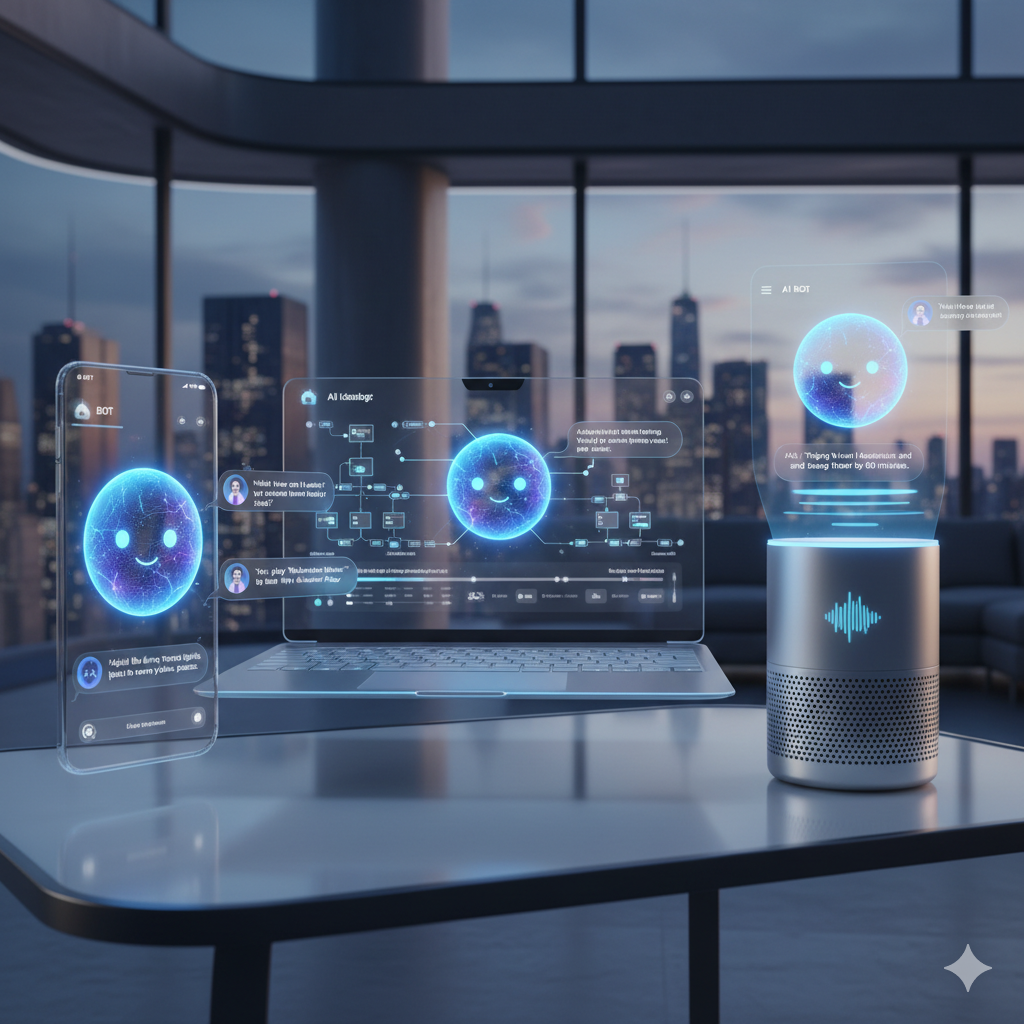
Automation has become an essential part of customer service, marketing, and operations. But not all bots are “smart.” Many still rely on simple, rule-based responses that can frustrate users more than they help.
That’s where a Smart Bot comes in — powered by AI, machine learning, and natural language processing to create meaningful, human-like interactions that enhance both customer experience and business efficiency.
Let’s explore the seven must-have features that separate a true Smart Bot from a basic automated system.
1. Natural Language Understanding (NLU)
A smart bot must understand human language — not just keywords. NLU (Natural Language Understanding) enables it to grasp intent, context, and emotion from the user’s message.
For example, when a customer says, “I can’t log in again!”, the bot recognizes frustration and immediately suggests password recovery instead of generic responses. This capability ensures conversations feel fluid and human-like.
2. Continuous Learning Through AI and Machine Learning
A true Smart Bot AI doesn’t stop learning. It improves with every interaction, analyzing past conversations and outcomes to predict future user needs.
Machine learning algorithms help the bot adapt to changing customer behavior, common queries, and even slang. Over time, this transforms the bot into an intelligent assistant capable of handling complex dialogues with ease.
3. Multichannel Integration
Businesses today engage customers across multiple platforms — websites, social media, WhatsApp, and voice channels. A capable Smart Bot should seamlessly integrate across all these channels, ensuring consistent user experience everywhere.
For instance, if a user starts a conversation on a company website and continues it on WhatsApp, the bot should retain the chat context without asking repetitive questions.
This continuity builds trust and strengthens the overall customer journey.
4. Personalization Capabilities
Smart bots go beyond scripted answers — they personalize interactions. Using customer data, preferences, and purchase history, bots can tailor responses and recommend products or solutions more effectively.
Example: Instead of saying “Welcome back!”, a personalized bot can say, “Hi Sam! Ready to reorder your favorite software plan?”
Such context-based personalization boosts engagement, conversion, and user satisfaction.
5. Sentiment Analysis
One of the most overlooked features is sentiment analysis — the ability to detect a user’s tone or mood.
By analyzing text patterns and keywords, Smart Bot AI can sense frustration, satisfaction, or confusion and adapt its tone accordingly.
If the bot detects negative sentiment, it can immediately transfer the conversation to a human agent for faster resolution. This ensures empathy remains part of automated customer service.
6. Seamless Handoff to Human Agents
Even the smartest bots can’t handle everything. When queries go beyond the bot’s scope, seamless human handoff becomes essential.
An efficient Smart Bot automatically routes the conversation to an available agent, along with complete chat history and context. This avoids repetition for the customer and allows the human representative to continue naturally from where the bot left off.
This feature ensures automation enhances human support instead of replacing it.
7. Analytics and Reporting
Data is the foundation of improvement. Smart bots must provide detailed insights into conversation trends, resolution rates, and user satisfaction.
Built-in analytics dashboards help businesses identify common pain points, measure response quality, and optimize scripts or AI models.
For example, if analytics show repeated queries about “payment failure,” businesses can address it proactively — reducing support load and improving user trust.
Final Thoughts
The evolution from basic chatbots to Smart Bot AI systems reflects a larger shift — from automation for convenience to automation for intelligence.
Businesses that deploy smart, data-driven bots not only improve response time but also unlock valuable insights into customer behavior.
In an era where digital interactions define brand perception, having a Smart Bot equipped with these seven key features isn’t optional — it’s essential for growth, scalability, and customer retention.