5 Reasons Every Gymnast Needs a Dedicated Gymnastics Bars Routine
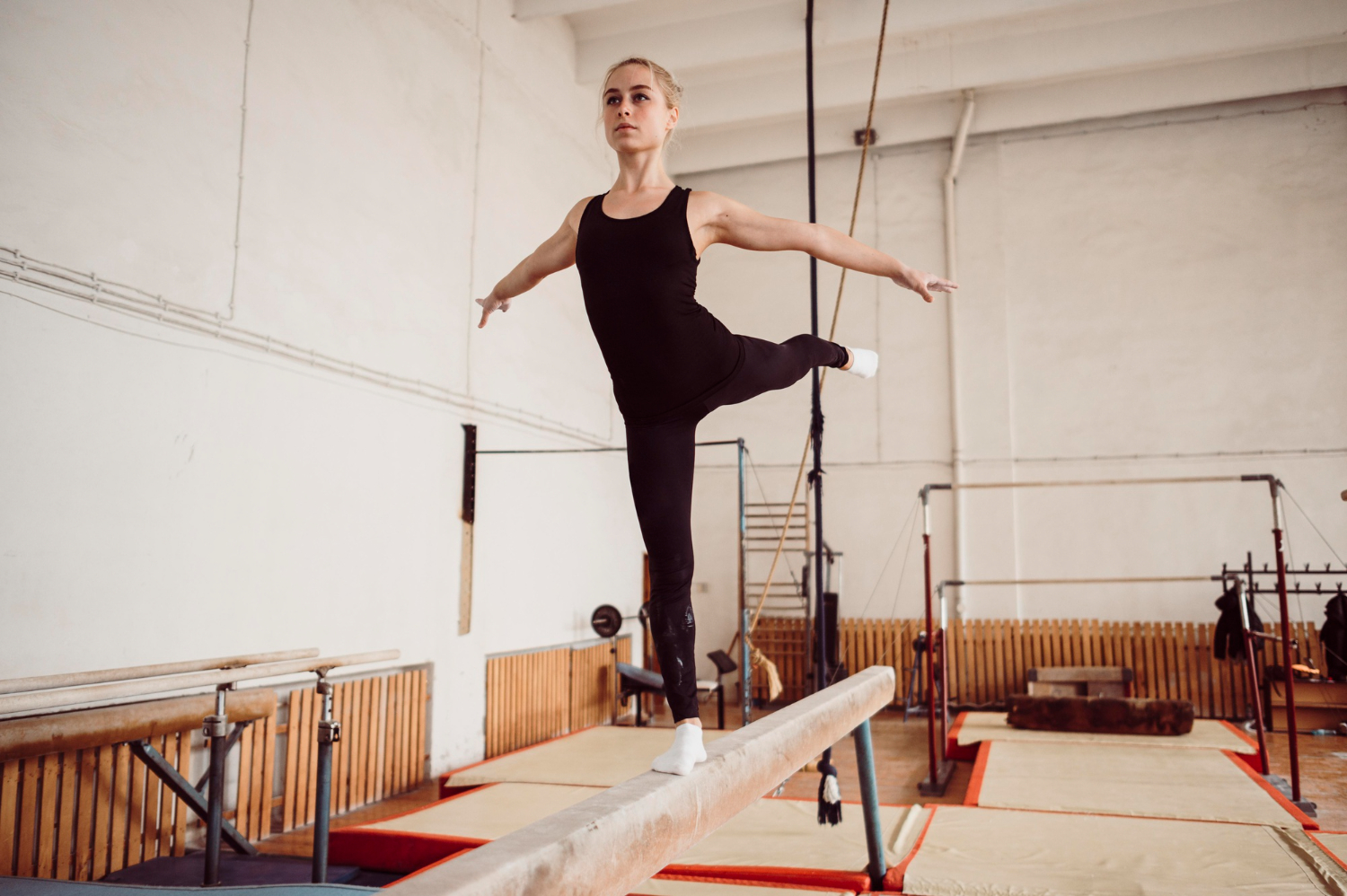
In competitive gymnastics, few events demand as much strength, precision, timing, and mental focus as the uneven bars. While floor and beam often receive significant attention, bars training requires its own structured plan to build technique and prevent plateaus. Creating a dedicated routine specifically for Gymnastics Bars is not just beneficial—it is essential for long-term progress and safety.
Below are five powerful reasons why every gymnast should follow a focused bars routine, along with expert insights to maximize results.
1. Builds Essential Upper Body and Core Strength
Unlike other apparatus events, bars rely heavily on upper body endurance and explosive pulling strength. A structured routine ensures gymnasts consistently train:
- Grip strength
- Shoulder stability
- Lat engagement
- Core control
- Arm endurance
Without a dedicated plan, athletes often undertrain the muscles required for swings, kips, casts, and transitions.
A proper Gymnastics Bars routine typically includes strength drills such as hollow body holds, chin-ups, glide swings, and resistance band work. These exercises build the physical foundation needed for fluid movement between the high and low bar.
Training tools from AirTumble can also support at-home conditioning by allowing athletes to safely practice strength-building drills between gym sessions.
2. Improves Skill Progression Through Structured Repetition
Bars skills are highly technical. Unlike floor skills that may rely more on explosive power, bar routines require precise timing and rhythm.
A dedicated schedule allows gymnasts to:
- Break complex skills into smaller drills
- Repeat technical elements consistently
- Track progress week by week
- Identify and correct form mistakes early
For example, mastering a kip requires glide strength, hip drive timing, and aggressive wrist turnover. Practicing it randomly slows progress. Practicing it within a structured routine accelerates improvement.
When athletes commit to consistent Gymnastics Bars training sessions, they develop muscle memory that leads to smoother, more confident routines.
3. Reduces Injury Risk Through Controlled Conditioning
Bars place repetitive stress on shoulders, wrists, and elbows. Without proper conditioning and recovery planning, overuse injuries become common.
A well-designed bars routine includes:
| Training Component | Purpose | Injury Prevention Benefit |
|---|---|---|
| Dynamic warm-up | Increase blood flow | Reduces muscle strain |
| Wrist mobility drills | Improve flexibility | Lowers joint stress |
| Shoulder stability exercises | Strengthen rotator cuff | Prevents impingement |
| Grip conditioning | Build endurance | Minimizes strain fatigue |
| Cool-down stretching | Promote recovery | Reduces soreness |
When conditioning is intentional, gymnasts build durability alongside skill.
Quality equipment also plays a role. Stable, well-constructed training bars like those from AirTumble provide consistent support during practice, helping athletes focus on technique rather than worrying about instability.
4. Enhances Routine Composition and Flow
Bars routines are judged not only on difficulty but also on connection value and fluidity. A gymnast who trains without structure may perform isolated skills well but struggle to connect them smoothly.
A dedicated routine allows athletes to:
- Practice transitions between skills
- Develop swing rhythm
- Increase amplitude
- Improve handstand alignment
- Refine dismount timing
By repeatedly running through combinations, athletes learn how to maintain momentum and conserve energy throughout the routine.
This structured repetition builds confidence under competition pressure. When routines are practiced strategically rather than randomly, performance becomes more automatic and consistent.
5. Boosts Mental Confidence and Competitive Readiness
Bars can be intimidating. The height, speed, and dynamic transitions demand trust in both skill and preparation.
A focused training plan provides:
- Clear weekly goals
- Measurable progress
- Reduced performance anxiety
- Greater consistency under pressure
When gymnasts know they have followed a structured plan, confidence increases naturally. Instead of hoping a routine goes well, they trust their preparation.
Over time, a consistent bars routine transforms hesitation into decisiveness—an essential trait for competitive success.
Sample Weekly Gymnastics Bars Routine Structure
Here’s an example of how a gymnast might organize a weekly bars plan:
| Day | Focus Area | Duration |
|---|---|---|
| Monday | Strength + Drill Work | 45 minutes |
| Wednesday | Skill Progressions | 60 minutes |
| Friday | Routine Connections | 60 minutes |
| Saturday | Conditioning + Form Refinement | 45 minutes |
This balance of conditioning, drills, and full routine execution ensures steady improvement without overtraining.
Key Elements of an Effective Bars Routine
To maximize development, every routine should include:
- 10–15 minute dynamic warm-up
- Targeted strength work
- Drill-based skill breakdown
- Full routine repetitions
- Controlled dismount practice
- Recovery and mobility work
Skipping any of these components slows progress and increases risk.
Long-Term Benefits of Dedicated Bars Training
Committing to a structured bars routine offers lasting advantages:
- Stronger upper body power
- Better swing efficiency
- Improved body awareness
- Greater competitive consistency
- Reduced fear during advanced transitions
The discipline learned from consistent bars training also transfers to other apparatus events, improving overall athletic performance.
Final Thoughts
A dedicated bars routine is not optional for serious gymnasts—it is a necessity. By focusing on structured strength, technical repetition, injury prevention, routine flow, and mental preparation, athletes set themselves up for sustainable growth and competitive success.
Whether training in a professional gym or supplementing at home, consistent planning makes all the difference. With the right structure, support, and reliable equipment, gymnasts can confidently elevate their bars performance to the next level.
FAQ
1. How many times per week should gymnasts train bars?
Most competitive gymnasts train bars 2–4 times per week, depending on level and season.
2. Why are bars harder than other events for some athletes?
Bars demand high upper body strength, grip endurance, and precise timing, which can take longer to develop than leg-dominant skills.
3. What is the most important strength area for bars?
Core stability and shoulder strength are the most critical for safe and efficient performance.
4. Can beginners follow a dedicated bars routine?
Yes. Beginners benefit greatly from structured drills and strength progressions tailored to their level.
5. How can gymnasts prevent wrist pain on bars?
Proper warm-ups, wrist mobility exercises, grip conditioning, and controlled training volume significantly reduce strain.