

12 Document Types Perfect for the Unibind 8.2 Binding Machine
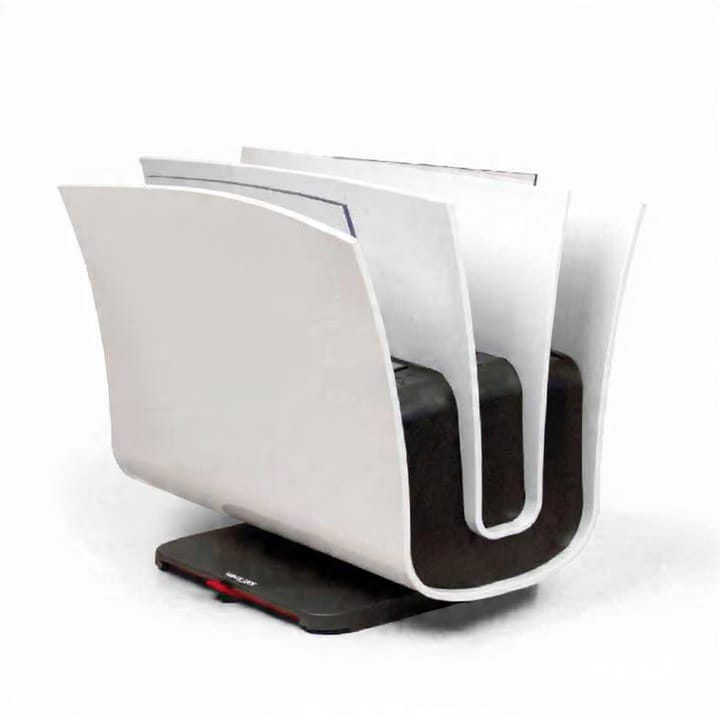
Professional document presentation plays a critical role in how businesses, educators, and organizations communicate credibility. Whether you are preparing client proposals, internal reports, or training manuals, presentation quality often determines first impressions.
That’s why companies across industries are investing in a reliable thermal binding machine like the Unibind 8.2. Designed for efficiency, durability, and premium finishing, this system allows users to create book-quality documents in minutes without complicated setups.
In this guide, we’ll explore 12 document types that are perfectly suited for the Unibind 8.2, while also explaining why it’s considered one of the best thermal binding machine solutions available today.
Why Choose the Unibind 8.2 Thermal Binding Machine?
Before diving into document types, it’s important to understand what makes the unibind thermal binding machine stand out.
Unlike traditional binding methods that require punching holes or inserting coils, thermal binding uses heat technology to securely fuse documents into professional covers. The result is a clean, polished spine similar to a printed book.
Businesses choose the Unibind 8.2 because it offers:
- Fast binding cycles
- Consistent professional results
- Easy operation for any skill level
- Durable document finishing
- Minimal maintenance
This makes it ideal for offices seeking both productivity and presentation excellence.
1. Business Proposals
First impressions matter most during client pitches.
A professionally bound proposal communicates organization, professionalism, and attention to detail. Using a thermal binding machine eliminates loose pages and creates a sleek, book-like finish that enhances credibility.
Sales teams frequently rely on thermal binding when presenting:
- Investment proposals
- Corporate partnerships
- Service agreements
- Project bids
A polished proposal can significantly influence decision-making outcomes.
2. Corporate Reports
Annual reports, performance summaries, and financial statements require durability and clarity.
The Unibind 8.2 ensures reports remain secure even with frequent handling. Pages stay perfectly aligned without staples or rings distracting from the content.
Bound reports also improve archival storage, making them easier to organize and reference later.
3. Training Manuals
Employee onboarding and training materials are among the most common uses for a unibind thermal binding machine.
Training manuals benefit from thermal binding because they:
- Withstand daily use
- Maintain page order
- Look professional during sessions
- Support long-term reuse
Organizations can quickly update materials and rebind new editions whenever procedures change.
4. Legal Documents
Law firms and corporate legal departments require secure document presentation.
Contracts, agreements, and compliance documents often demand tamper-resistant binding. Thermal binding provides a permanent finish that protects sensitive paperwork while maintaining professional appearance.
Legal professionals appreciate the neat spine labeling possibilities for easy identification.
5. Academic Theses and Research Papers
Students and academic institutions frequently use thermal binding for:
- Dissertations
- Thesis submissions
- Research documentation
- Academic portfolios
Universities prefer professionally bound submissions because they enhance readability and preserve documents for long-term storage.
The Unibind 8.2 simplifies academic binding without outsourcing printing services.
6. Marketing Presentations
Marketing teams understand the value of visual impact.
A well-bound presentation instantly elevates brand perception during meetings or investor discussions. Thermal binding keeps promotional materials organized while allowing vibrant covers to reinforce branding.
Common examples include:
- Brand presentations
- Campaign strategies
- Pitch decks
- Product launches
Professional binding transforms presentations into premium marketing tools.
7. Employee Handbooks
Employee handbooks must be durable and easy to distribute.
Using the best thermal binding machine ensures policies remain intact despite repeated handling. Bound manuals also help companies maintain consistent formatting across departments.
Updates can be easily reprinted and rebound when company policies evolve.
8. Product Catalogs
Retailers and manufacturers often produce printed catalogs for clients or trade shows.
Thermal binding creates a clean spine that allows catalogs to sit neatly on shelves while offering a high-end printed-book appearance.
The Unibind 8.2 is ideal for short-run catalog production without requiring commercial printing services.
9. Financial Documents and Investment Portfolios
Financial advisors and consultants frequently present sensitive documentation to clients.
Professionally bound financial portfolios improve trust and readability by organizing:
- Investment strategies
- Market analysis reports
- Financial planning summaries
- Portfolio reviews
Secure binding ensures documents remain professional throughout client interactions.
10. Instructional Guides and User Manuals
Technical documentation benefits greatly from thermal binding.
Instruction manuals often need durability and structured presentation. A thermal binding machine keeps diagrams, instructions, and charts securely organized while maintaining ease of use.
Industries that commonly bind manuals include:
- Technology companies
- Manufacturing firms
- Healthcare providers
- Educational institutions
11. Real Estate Listing Books
Real estate professionals frequently prepare property presentation books for buyers.
Thermal binding enhances listing packages by combining:
- Property images
- Floor plans
- Market data
- Pricing information
Clients perceive bound materials as more professional compared to stapled or loose documents.
12. Company Policies and Compliance Documentation
Compliance materials must remain organized and accessible.
Bound policy documents ensure employees always reference complete and updated information. Thermal binding prevents page loss while maintaining a professional corporate standard.
Organizations managing audits or regulatory requirements particularly benefit from this structured format.
How to Use a Thermal Binding Machine
Many users wonder how to use a thermal binding machine, especially if transitioning from traditional binding systems.
Fortunately, the Unibind 8.2 is designed for simplicity:
- Insert printed pages into a thermal binding cover.
- Place the document into the binding slot.
- Activate the heating cycle.
- Allow adhesive inside the spine to melt and bind pages.
- Let the document cool for a permanent finish.
The entire process typically takes only a few minutes, making it ideal for busy office environments.
Understanding Thermal Binding Machine Price vs Value
When evaluating thermal binding machine price, businesses should consider long-term benefits rather than upfront cost alone.
A high-quality system like the Unibind 8.2 delivers:
- Reduced outsourcing expenses
- Faster document production
- Consistent professional results
- Long equipment lifespan
Over time, organizations save significantly compared to external print and binding services.
Investing through trusted providers like pelemanusa.com ensures access to genuine equipment, support, and compatible supplies.
Why Businesses Choose PelemanUSA.com
Professionals trust pelemanusa.com because it specializes in advanced document finishing solutions tailored for modern workplaces.
Key advantages include:
- Industry-leading binding technology
- Reliable Unibind systems
- Professional-grade binding covers
- Expert customer support
- Scalable solutions for offices of all sizes
Whether producing daily reports or executive presentations, the right binding equipment improves workflow efficiency and brand perception.
FAQs About Thermal Binding Machines
1. What is a thermal binding machine used for?
A thermal binding machine binds documents using heat-activated adhesive to create professional, book-style presentations without punching holes.
2. Is the Unibind 8.2 suitable for office use?
Yes. The Unibind 8.2 is designed specifically for offices, schools, and organizations needing frequent, high-quality document binding.
3. How long does thermal binding take?
Most documents can be bound within 60–90 seconds, depending on thickness.
4. Is thermal binding permanent?
Yes. Once cooled, the adhesive creates a strong and permanent bond that securely holds pages together.
5. What documents work best with thermal binding?
Reports, manuals, proposals, catalogs, and academic papers are ideal because they benefit from professional presentation and durability.
6. How does thermal binding compare to spiral binding?
Thermal binding provides a cleaner, book-like finish, while spiral binding focuses more on flexibility. Thermal binding is preferred for professional environments.
7. Are thermal binding machines cost-effective?
Absolutely. Businesses save money over time by producing professional documents in-house instead of outsourcing.
Final Thoughts
Document presentation directly impacts professionalism, credibility, and brand perception. From business proposals to academic research and corporate manuals, the Unibind 8.2 proves to be one of the best thermal binding machine solutions available today.
By investing in a dependable thermal binding machine, organizations gain efficiency, consistency, and premium-quality results across countless document types.
For businesses seeking reliable binding technology and professional finishing solutions, pelemanusa.com provides the tools needed to transform everyday documents into impressive, publication-quality materials.